- Salaaz's Newsletter
- Posts
- Fibre Awareness and Crafted Scams in the Textile Industry
Fibre Awareness and Crafted Scams in the Textile Industry
Salaaz Newsletter: Week 53

Salaaz Market
November 04, 2025
In a previous newsletter, we mentioned the problems with polyester and synthetic fibres, which range from environmental impacts to personal health effects. Remember the polyester problem travels to almost all your clothing, not just your sweaters and T-shirts. Don’t let the loose stitching of knitted sweaters and crocheted items fool you; they often have the same problems that synthetic fibres pose.
Painfully Cheap Labour—Crochet Handmade Goods from China
Crocheted stitches in particular cannot be produced by a machine, and if something has been crocheted, then it was handmade. So when buying crocheted items from dirt-cheap marketplaces like Temu, Alibaba, and Shein, the worker is sure to be underpaid for their labour and dedication to the handmade stitching process. People suffering from labour violations want awareness and consumer pressure on the company more than anything; rather than silent boycotts, they want companies to feel accountable, which is why we continuously target awareness of poor labour conditions.
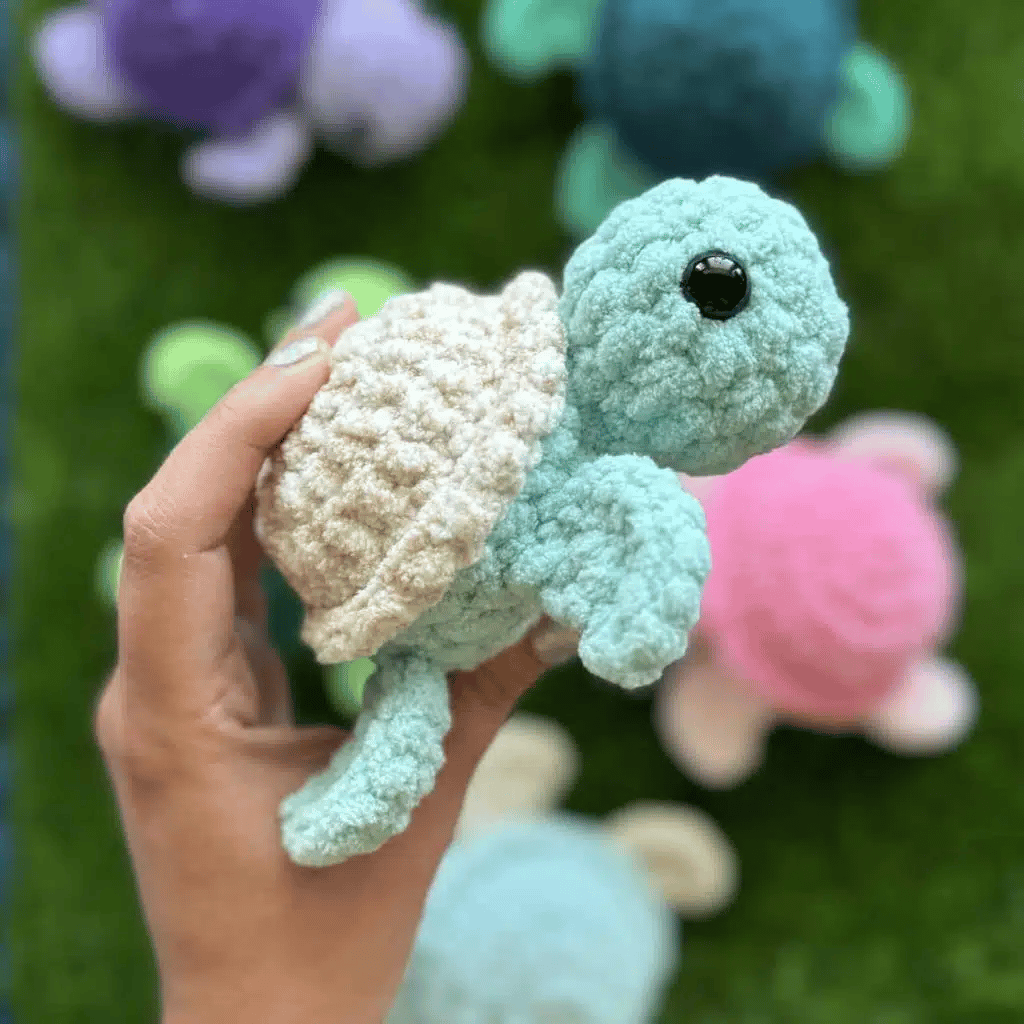
Crochet has noticeable handmade authenticity.
Trusting a reliable source for artisan verification is necessary since many fake artisan stalls exist that claim to be handmade but continue to dropship from sweatshops. Salaaz.com keeps track of vendors, ensuring quality, transparency, and reliability.
Stop Sheep Cruelty—Mulesing
A problem caused by overbreeding sheep and taking excessive wool is the sheep are at risk of parasitic infections caused by their feces and urine ending up in their wool and serving as a host that can lead to flystrike and death.
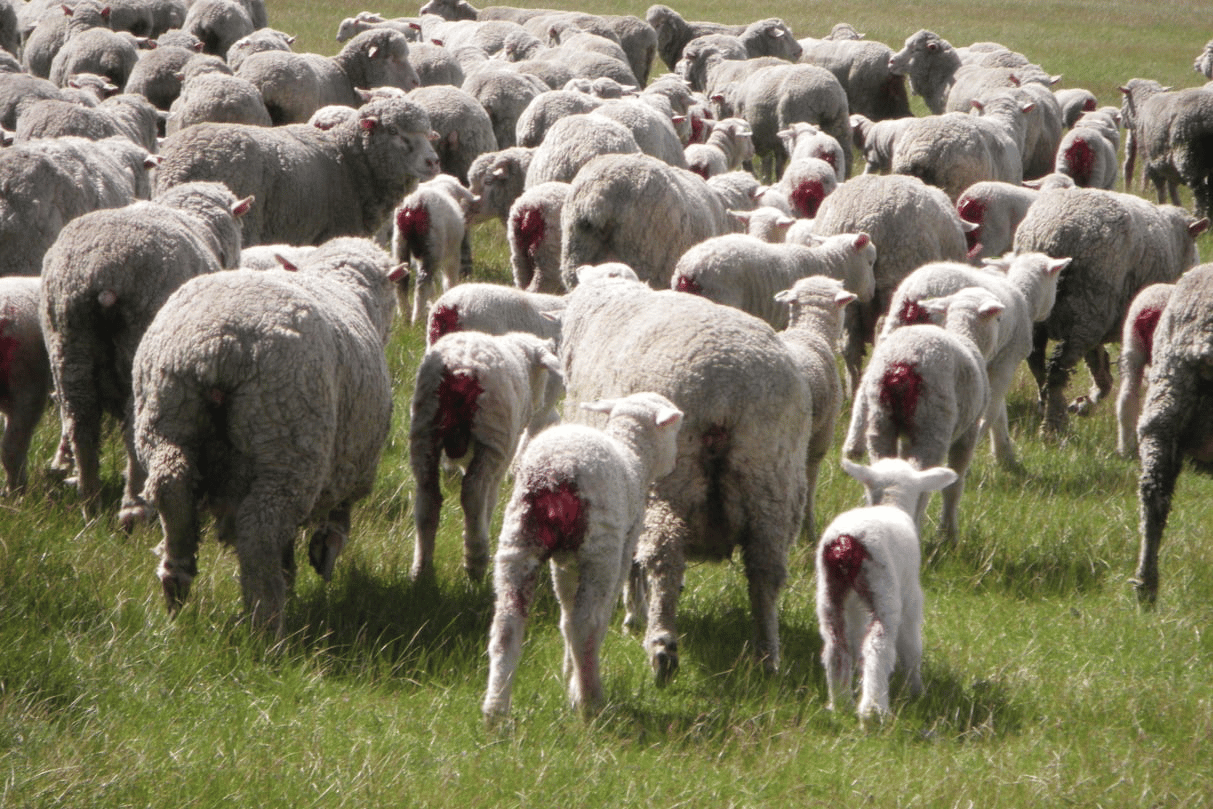
But the additional problem with mulesing is that it causes severe pain to the sheep that lasts for days, causes severe shock, and makes them lose weight, get sick, and even die from the pain. This practice is excessively cruel and can be prevented with more humane wool extraction practices.
Brand versus Quality—Branding Textile Scams?
It is easy to mistake branded and well-known items for quality fibres, but oftentimes high-quality brands still use cheap fibre materials. Here is a popular example of a famous brand, Nike, that is selling what appears to be a high-quality sock for $26 but is actually 100% synthetic fibres and poses the same level of quality as a pair only a fraction of the price.
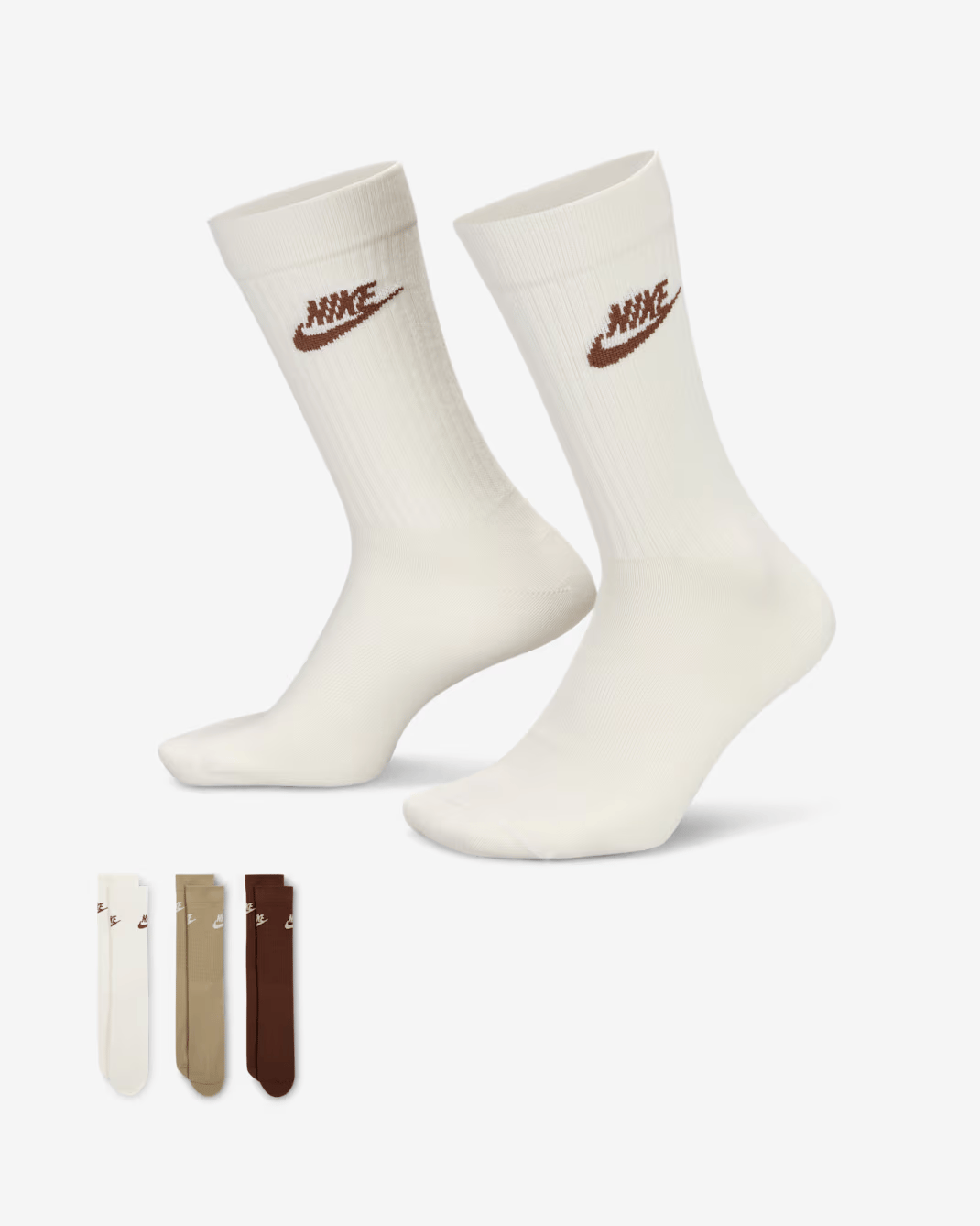
For $26 per pair, the sock might be stylish, but it is 97% polyester and 3% polyurethane, posing no real quality.
Here is an example of socks that have no branding but are far cheaper than Nike and made with quality and ethical fibres, showing the importance of quality over brand names.
JB Field
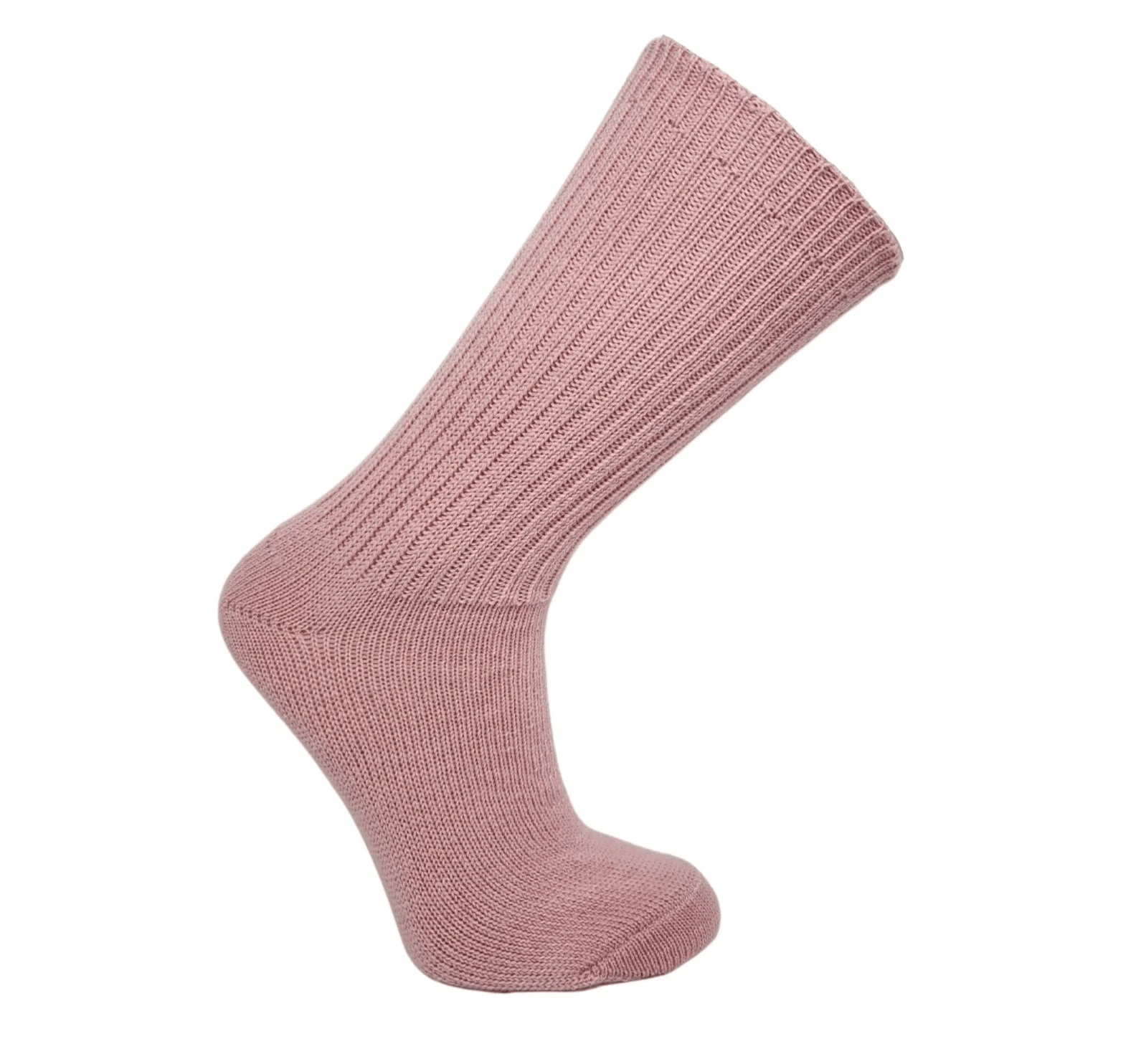
Merino Wool socks from JB
98% cotton or 96% merino wool options
Ethically sourced yarn
Compression socks increase blood circulation suitable for persons with diabetes, athletes, pregnant individuals, and those with sedentary or highly active jobs.
Made in Toronto, Canada
Underconsumption, Sustainability, and Kotn
Rather than having a multiray of cheap, disposable, and synthetic sweaters that pose a risk to your health and the environment, keep one or two pairs of quality products that can be valued and make you feel better about your purchase. Kotn is a local Egyptian brand that sources their material with purely natural fibres, sustainable cotton farming, and funding education in every order to the community that farms the cotton. High-end products and prices that match the quality and ethical practices for the money. Prices ranging from high to low
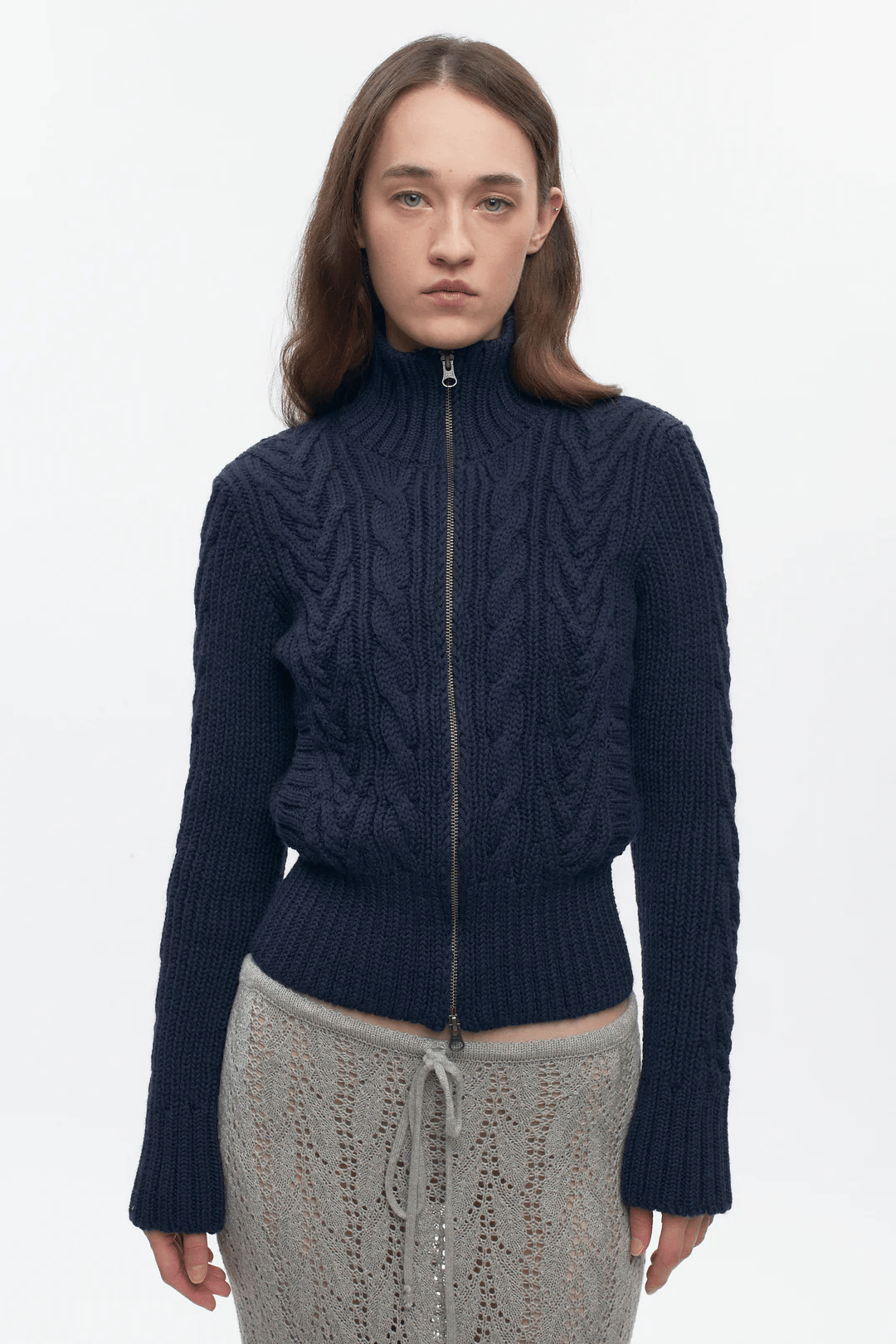
crafted from 100% pure new wool
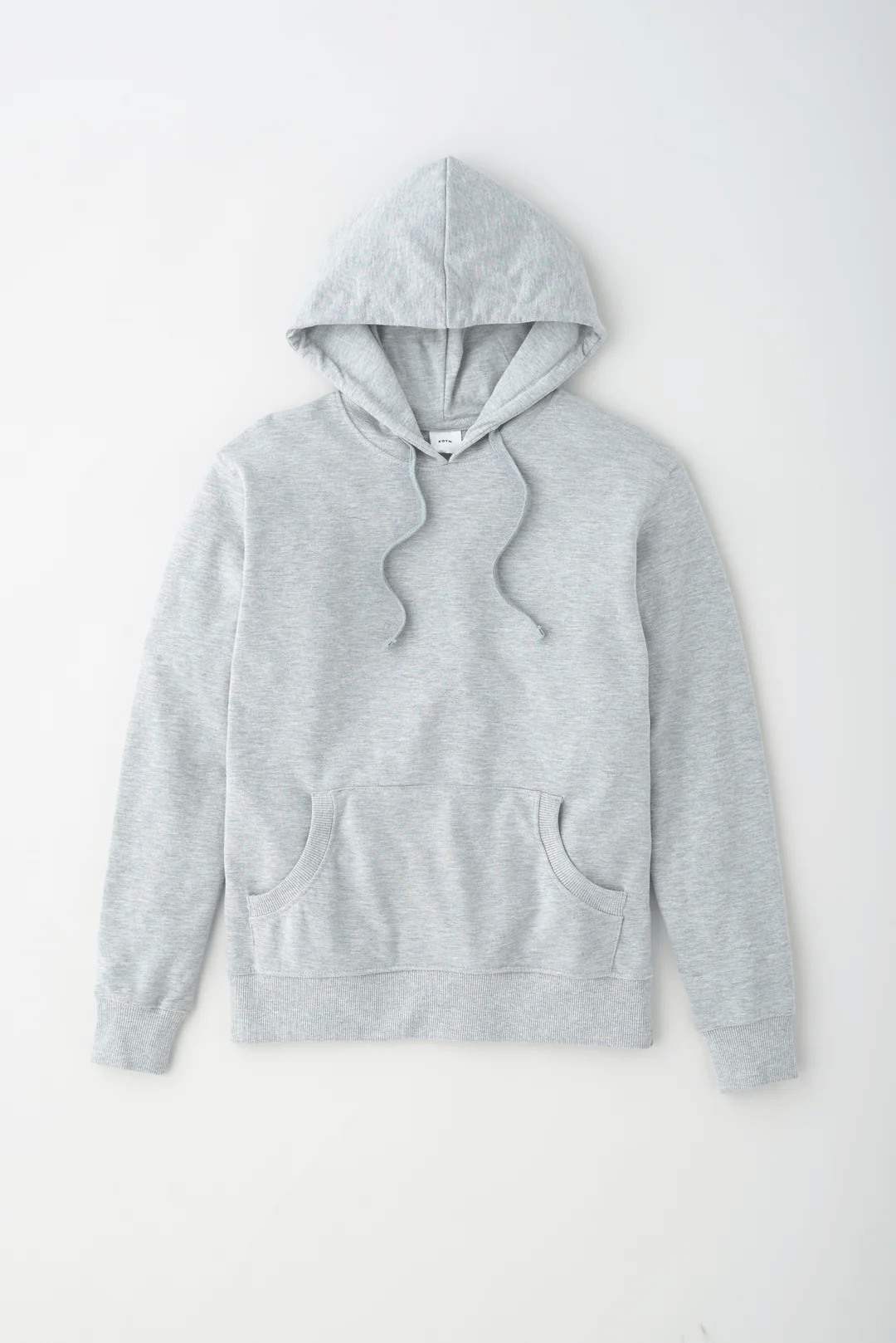
100% cotton sweater for $25, ethically sourced from Portugal by Kotn
Branding is often a tactic and justification to overcharge for petroleum material but does not equate to quality, biodegradable, ethically sourced, natural fibres that should really be in the spotlight. The textile market is filled with violations towards workers, animals, and us as the product of scams. However, staying in the loop is important and necessary for bypassing ethical concerns. Staying aware is one step closer to a solution.