- Salaaz's Newsletter
- Posts
- Threads of Destruction: The True Price of Modern Textile
Threads of Destruction: The True Price of Modern Textile
Salaaz Newsletter: Week 51

Salaaz Market
October 21, 2025
Previously Salaaz has talked about how we eat oil unknowingly through different labels such as “processed cheese product” and creamer, but did you know you might be wearing oil too?
Did you know that the most common and popular synthetic fibre used for cheap fast fashion, polyester, is actually made of petroleum oil? This crude oil is extracted from the same place we use to fuel our cars. Wearing polyester is like wearing plastic or wearing oils.
Polyester is cheap to make into clothing and is one of the main reasons the “fast fashion” industry was able to create mass disposable clothing for dirt cheap prices. This material makes up roughly 80% of all synthetic fibres and almost half of all fibres overall.
But I know you might be thinking it doesn't matter if your clothes are made of oil or cow poo as long as they do the job, but here is the deeper problem!
The Polyester Problem: Why Synthetic Fibres Are Damaging the World
Polyester clothing not only damages the environment, but it damages your health too. The synthetic fibre is filled with microplastics and synthetic dyes that contain toxic chemicals harmful in long-term exposure. Chemicals in the dyes can be carcinogenic and contain heavy metals, formaldehyde, and aromatic amines. Studies show the long-term wear of synthetic dyes in clothing has led to an increase in health issues such as autoimmune disease, infertility, asthma, and eczema.
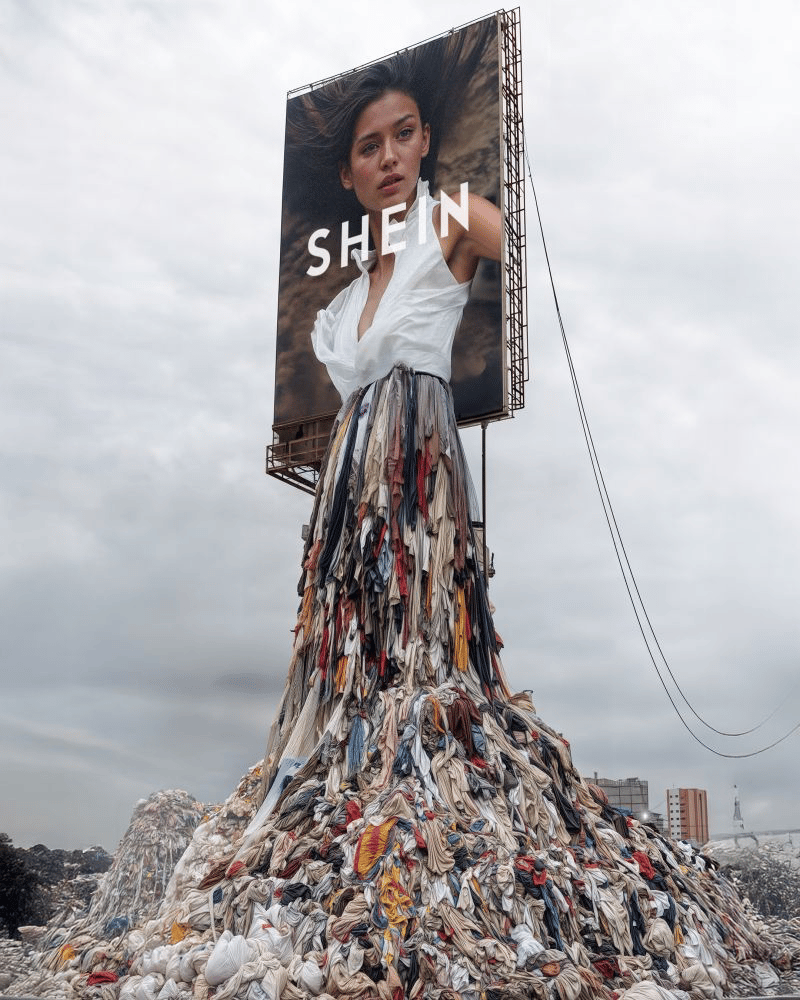
Art by Morelli representing Shein
Plastic fibres are suffocating to wear for our body and also suffocating towards the planet. From production to disposal, polyester is one of the top worst environmental hazards for our planet.
Polyester starts off with fossil fuel extraction and emits a greater carbon footprint compared to natural fibres.
Lots of microplastics are emitted to the ocean through synthetic textiles, with around 35-50% of ocean plastic being from polyester.
It is non-biodegradable material and will stay in the environment and landfills for hundreds of years.
87% of textiles are sent to landfills or incinerated and burned, causing environmental pollution.
On behalf of the well-being of our planet and people, we should stick to natural fibres like cotton and wool.
Abuses in the Cotton Industry—Modern Coercive Slavery Against Minorities
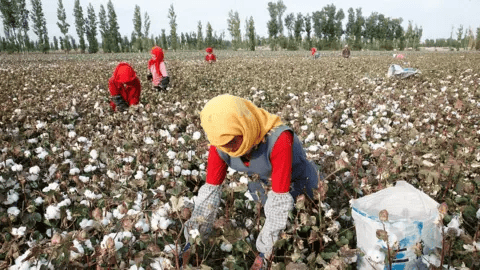
Cotton is a go-to fibre for clothing that replaces the cheap plastic nature of polyester and has greater comparative benefits like its biodegradability, renewability, and lack of microplastics.
However, the industry can get dark and has potential for exploitation and slavery. Even though North America might have learned and grown past their dark history, other places still continue to use cotton as a means for abusive forced labour.
Coercive labour has been reported in Xinjiang, which produces more than 20% of the world’s cotton. The news reports that more than half a million people from ethnic minorities have been forced to pick cotton. These links are potentially related to the genocide against Uyghur Muslims, with evidence indicating targeting Muslim minorities. An estimate of 570,000 people came through minority-heavy groups. Transfers to labour camps and “an ideological fix” that discourages police with “illegal religious activities” have been hinted at in reference.
With cotton-picking programs and labour transfer programs in China being used in such a crude and horrific manner, it is important to stay aware of what cotton we are buying.
What Textiles to Buy? Ethical Garment Certifications
Luckily there are easy-to-find certifications for textiles that prioritize sustainability and ethical labour practices.
Global Organic Textile Standard (GOTS) Certified
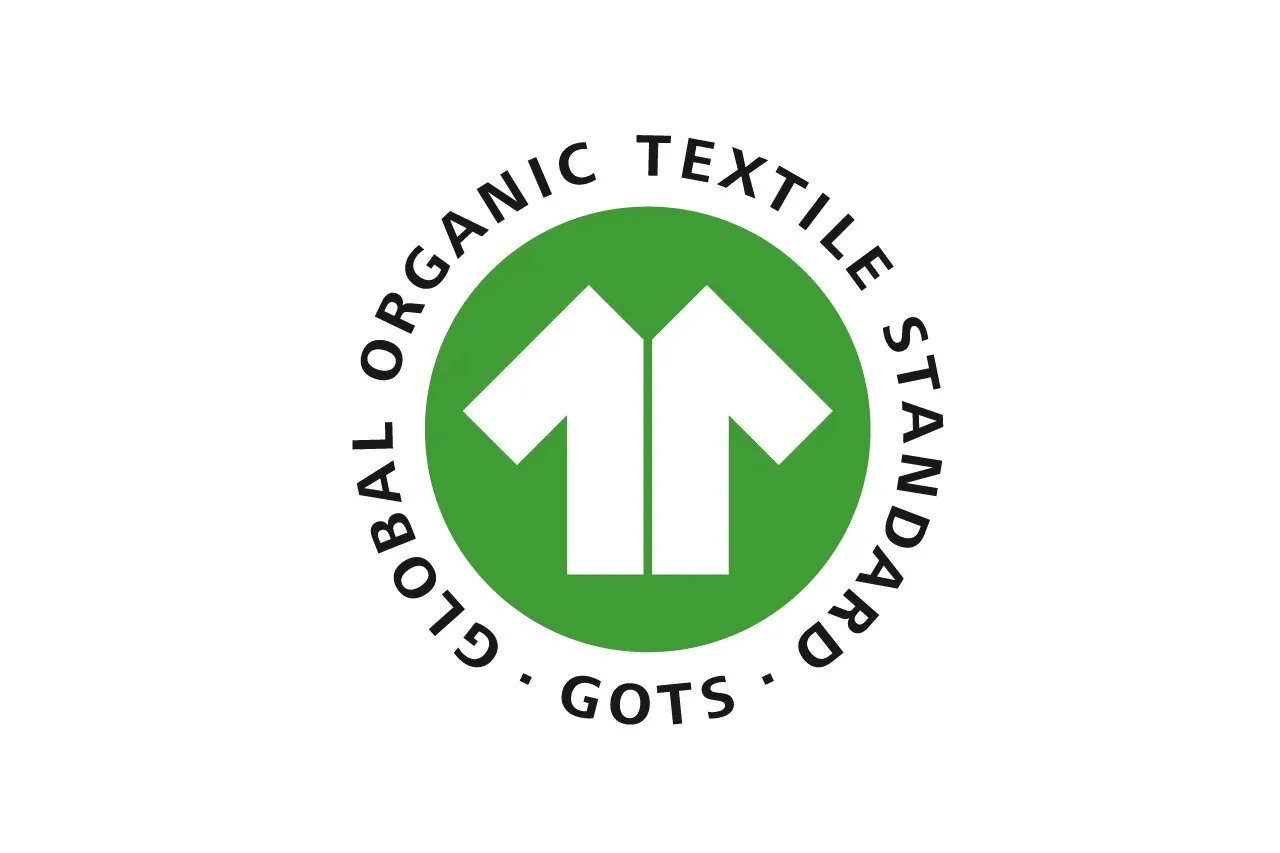
GOTS certification
Organic and raw materials
Strict environmental and social standards
Safe chemicals
Fair Trade Certified
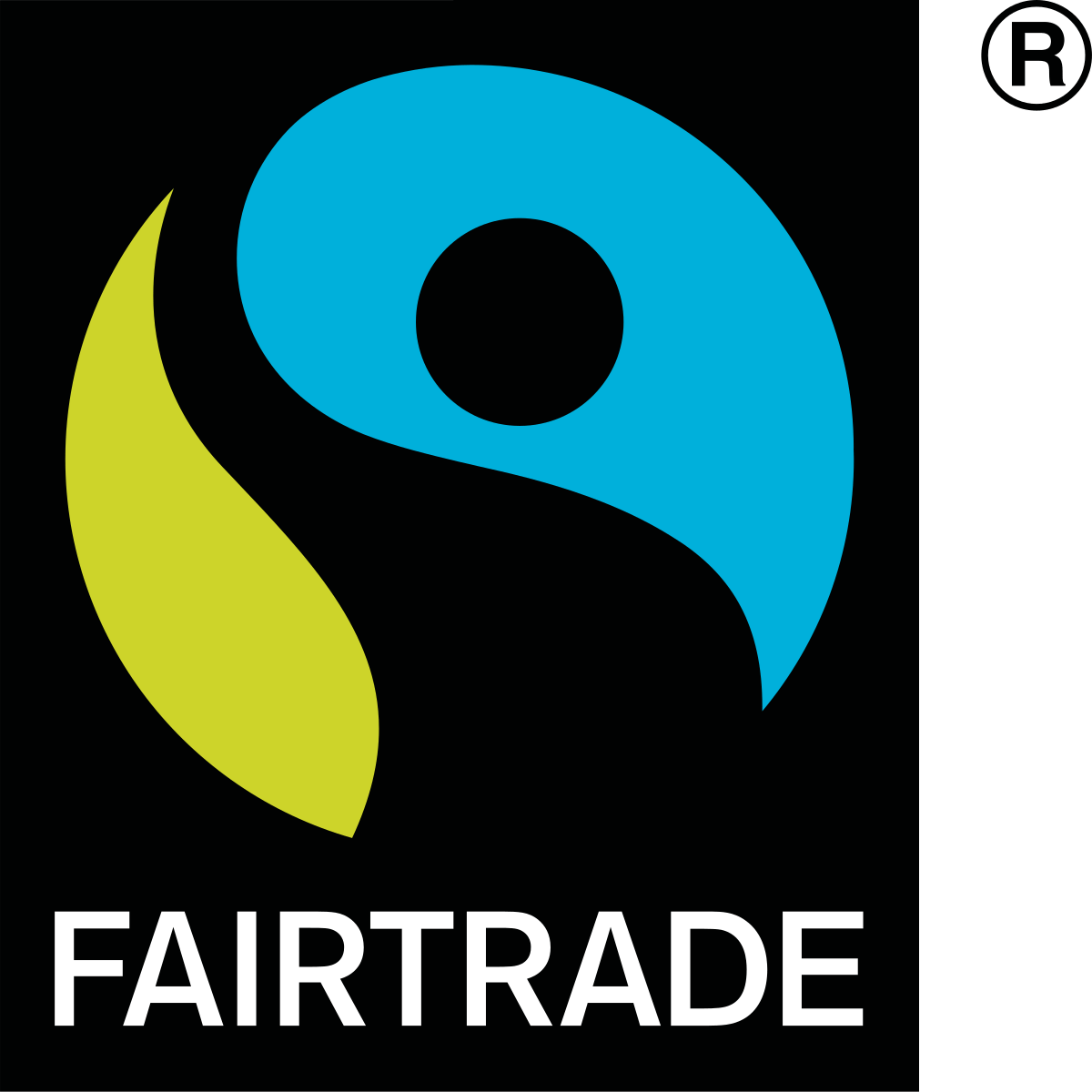
Fair Trade Certification
Universal rigorous certification for ethical and sustainable standards
Offers fair prices, safer work, and climate care
Change doesn’t start in a factory, it starts in our closets. By choosing sustainable, ethical textiles, we can help weave a cleaner, fairer future for everyone.