- Salaaz's Newsletter
- Posts
- When Play Turns Poison: Unmasking the Toy Industry
When Play Turns Poison: Unmasking the Toy Industry
Salaaz Newsletter: Week 44

Salaaz Market
September 02, 2025
Toys are an underrated product. They play a huge part in childhood development, and before iPad kids, a much bigger one. Not only do they have an influence on children's brains and health, but they also have an impact on the well-being of people worldwide.
The Mattel Controversy
Considering the leading toy brand Mattel alone, including Barbie and Hot Wheels, has an array of ethical concerns to consider:
Its products contain cheap plastics that are in some cases dangerous: The company recalled over 14 million products and faced numerous lawsuits for its excessive amount of lead.
Mattel has uncompensated injuries for workers who’s hands blister and burn from making so many barbie dolls: Extreme overtime and poverty wages make Mattel factories some of the most brutal-like conditions.
Research shows unrealistic Barbie doll exposure shape children's body images from as young as 5 years old. Barbie has also been notably criticized for shaping Eurocentrism and unrealistic beauty standards.
The CEO of Mattel has supported IDF events despite the ongoing war crimes and human rights violations being done by the state of Israel.
It isn’t just the brand that is toxic; unfortunately, the products being created are toxic as well.
The Unspoken Toxicity of Plastic Toys
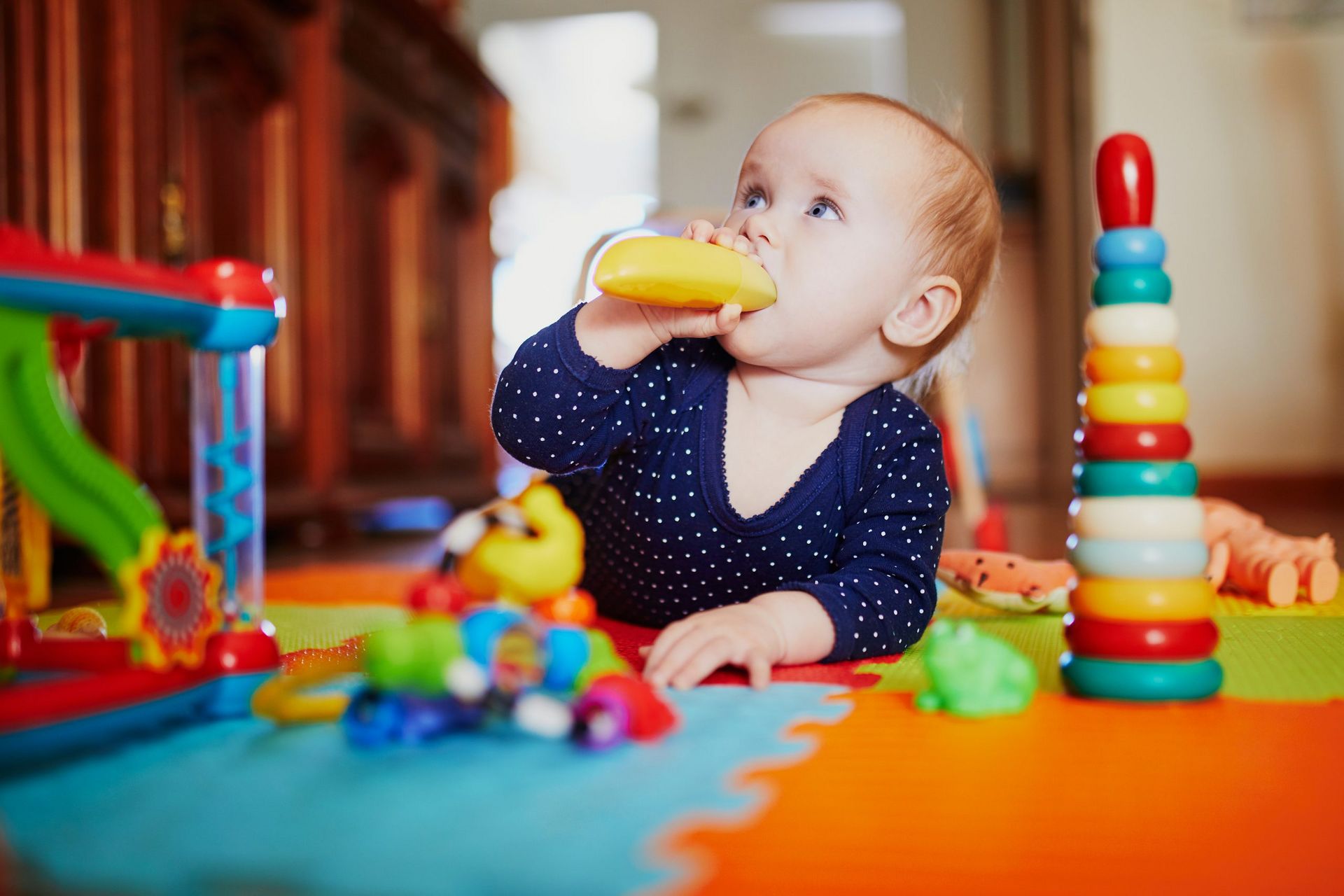
The last thing we want as parents is to be exposing our kids to harmful chemicals. While we often trust commercial brands for their ability to pass through the laws, our standards need to rise since many chemicals, similar to processed food, have a more gradual and long-term negative health consequence that can easily loophole the market. Here are a few important chemicals to consider NOT buying for your child:
BPA and phthalates: Research shows this to be an endocrine-disrupting chemical that interferes with hormone function. Used for making hard plastics, this chemical can cause potential developmental issues and cancer risks in children.
Polyvinyl Chloride (PVC) was once the most common type of plastic used in children's toys and releases toxic chemicals, such as vinyl chloride and dioxins. Short-term exposure to these chemicals includes headaches and dizziness, while long-term exposure includes increased risk of cancer and leukemia.
Unwarranted contaminants: A case study found lead to be in 67% of vintage toys, including old Barbie dolls.
For safer toy options, it is better to consider these materials: wood, bamboo, silicone over plastic, and good cotton/fibres.
Non-Toxic and Ethical Toys: Where to Find Them?
Here are a few highly ethical brands that will leave kids with joy while also supporting charities.
Playful Peacock
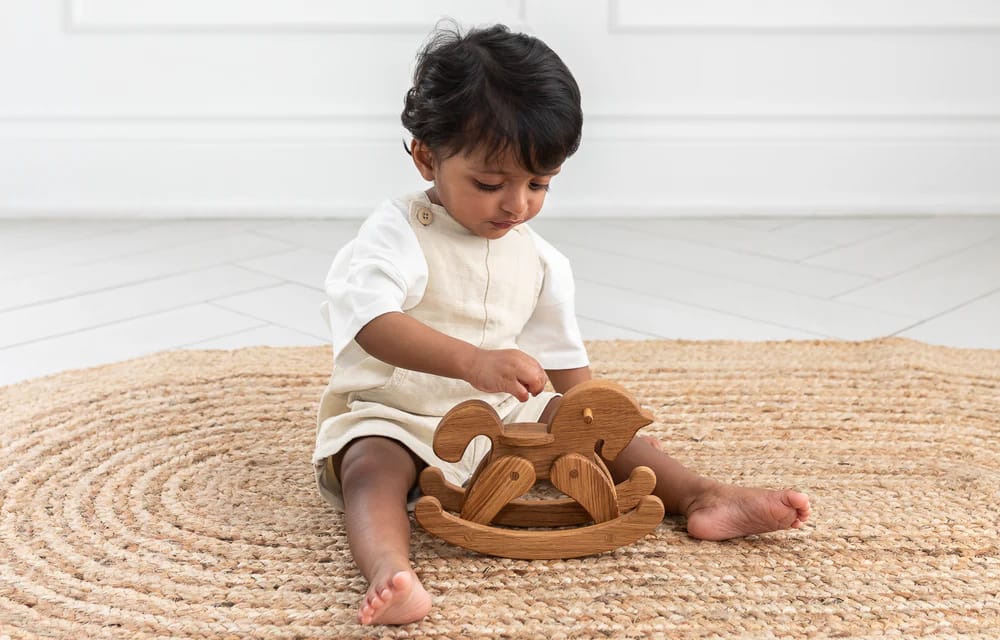
Based in Toronto: Natural toys and indigenous children charity
This handmade toy company donates at least one meal to an indigenous child in need with every purchase.
Uses the most minimal amount of plastic possible, only in packaging if necessary
Holds high standards of ethics and labour practices with paying living wages to workers
OAK Creative Designs
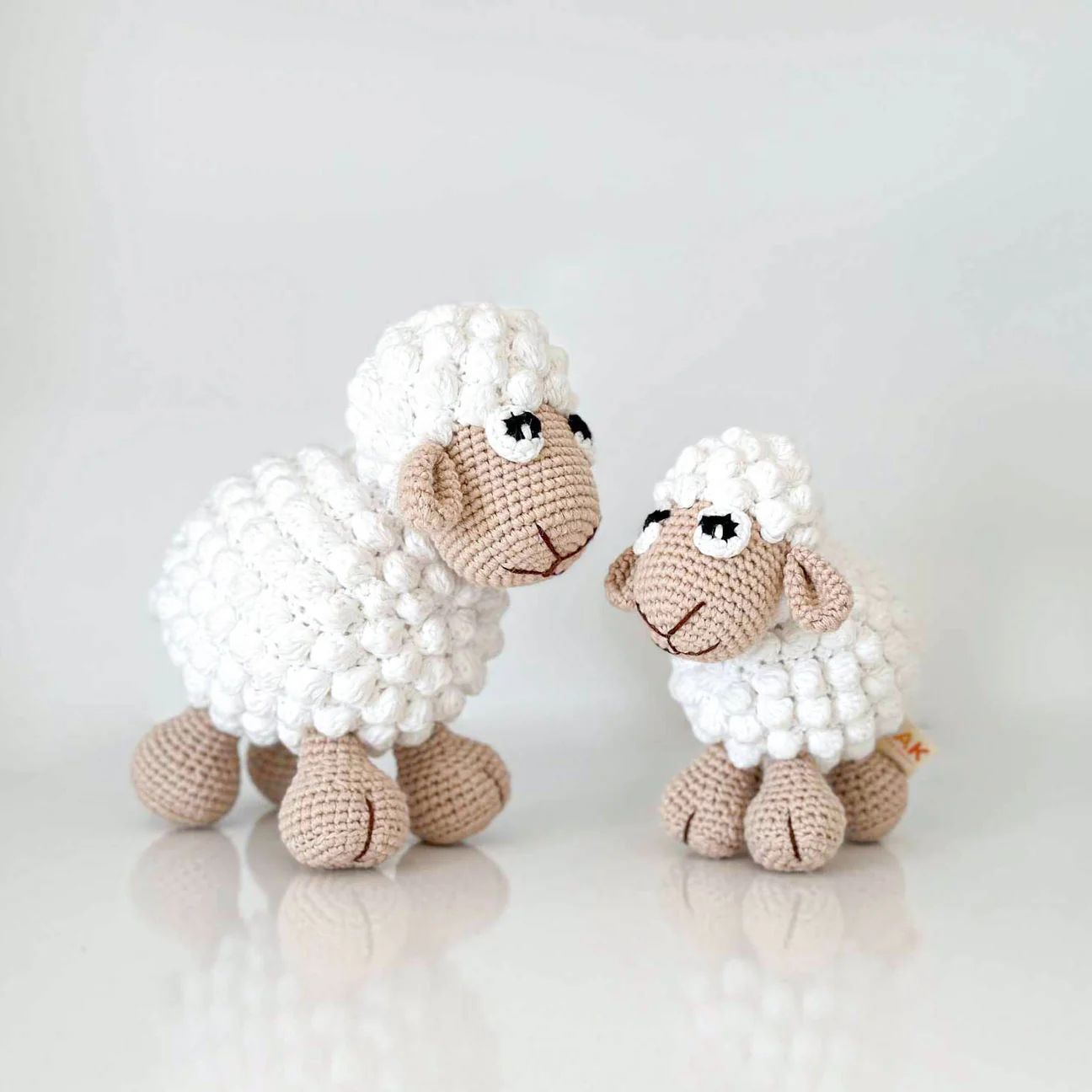
Made by Syrian refugee women
Handmade plush toys and cultural dolls that are diverse and Muslim-friendly
OAK supports hundreds of women and children in vulnerable communities to gain necessary skills to survive and thrive through vocation programs for learning and producing crocheted items.
Hires women with educational barriers and provides steady incomes to refugee women
Plastics may be cheap, but you may potentially be paying for a hazardous environment for children. Buying dolls with better material and avoiding dolls with toxic cancerous chemicals will ensure your child isn’t exposed to these potential harms, all while helping people in need.
The toy industry isn’t as guilt free as it seems on the surface. From toxic plastics to exploitative factories, the industry has hidden costs that children, workers, and the planet continue to pay. But with awareness and better choices, we can shift play away from poison and toward joy that doesn’t come at someone else’s expense.