- Salaaz's Newsletter
- Posts
- Week 25: The Problem with Fragrance
Week 25: The Problem with Fragrance
Unveiling the Hidden Concerns with all the Scents in Daily Use Products

Salaaz Market
25 Mar • Estimated Reading Time: 4 minutes

Hey there, readers! Today we're diving into a topic that's literally everywhere—fragrance! From perfumes to candles, and even cleaning products, fragrances are big business. But what exactly is behind those lovely scents, and are they always safe? Let's unpack it!
The Expansive Fragrance Market:
Some Key Stats to Consider

The fragrance industry is a substantial and growing sector, let’s look at the significant growth in the recent years:
Market Value: In 2023, the global fragrance market was valued at approximately $54.52 billion and is projected to grow at a compound annual growth rate (CAGR) of 4.7% from 2024 to 2030.
Regional Insights: North America dominated the perfume market with a market share of 35.47% in 2024, with the U.S. market reaching an estimated value of $23.23 billion by 2032.
Consumer Behavior: A survey indicated that around 41% of females in the U.S. use perfumes daily, compared to men who purchase fragrances on average 1-2 times per year
But Wait—What's the Issue:
Health Concerns to Consider
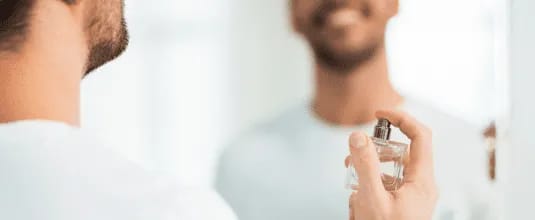
While fragrances make you smell better and seem more presentable, synthetic fragrances pose several concerns. Let’s look at some of them:
Health Risks: Many fragrances contain phthalates, which are chemicals linked to hormonal disruptions, reproductive issues, and even developmental problems.
One study shows over time, exposure to phthalates may be detrimental to human neurological, developmental, and reproductive systems, according to a 2021 review of human and animal studies.
Environmental Impact: Synthetic fragrance chemicals don't just affect us—they impact our environment too! They pollute waterways and harm wildlife.
For example, sandalwood oil is a popular ingredient in fragrances due to its pleasant scent. However, sandalwood trees are slow-growing and endangered due to over-harvesting. As a result, many companies have switched to using synthetic sandalwood fragrance oils instead.
Solutions and Safer Alternatives:
Natural and DIY Solutions Exist
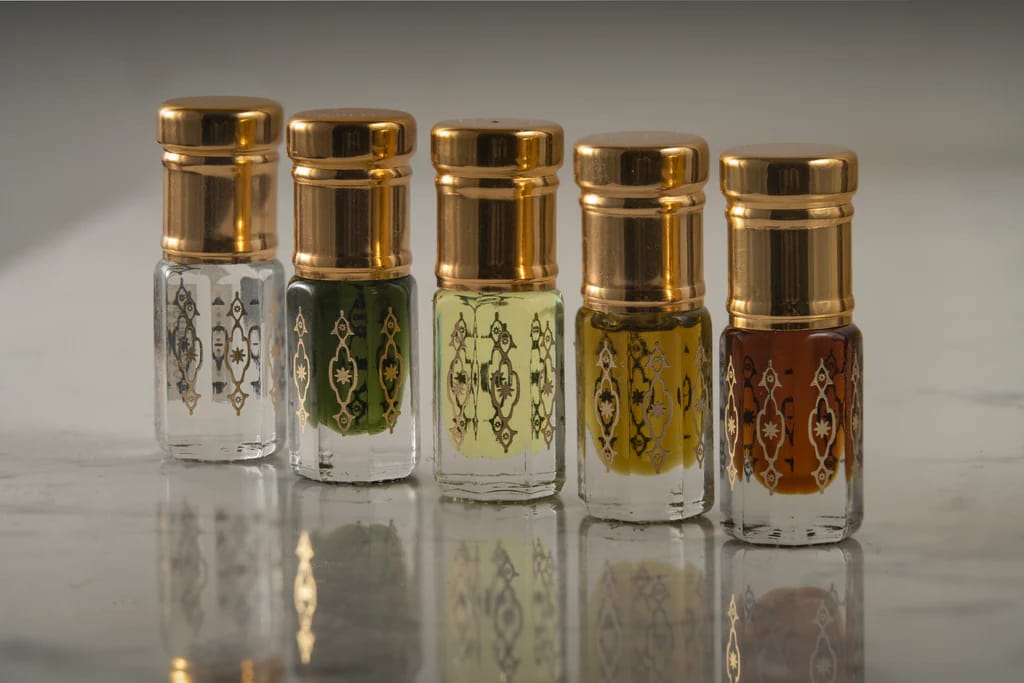
Don't worry—you don't have to give up wonderful scents altogether. Here are healthier, planet-friendly alternatives:
Natural Fragrances: Opt for products scented with natural ingredients, such as essential oils, which are less likely to contain harmful chemicals. Items such as Oud, Attar and Ether perfumes.
Fragrance-Free Products: Scents and fragrances aren’t only found in perfumes, but also in cleaning products, shampoos, and much more. Choose unscented or fragrance-free products, especially if you have sensitivities or health concerns related to synthetic fragrances.
DIY Solutions: Why not create your own scented products at home? It's fun, healthier, and you'll know exactly what's in them! You’ll be surprised how much you can make at home.
Let's make informed choices that smell good AND feel good for us and our planet! We'd love to hear your thoughts—reply and let us know what you think!
We hope you enjoyed this week’s newsletter! Let us know your thoughts below, and we’ll see you next week.