- Salaaz's Newsletter
- Posts
- Week 24: Made in Canada
Week 24: Made in Canada
How do you tell what's local and what's not

Salaaz Market
18 Mar • Estimated Reading Time: 5 minutes

Understanding the distinctions between labels like "Made in Canada," "Product of Canada," and "Prepared in Canada" you see them everywhere now, but what does it all mean? This week we’ll break it down and tell you what they all mean, and how you can support local.
Decoding Labels:
What does it all mean?
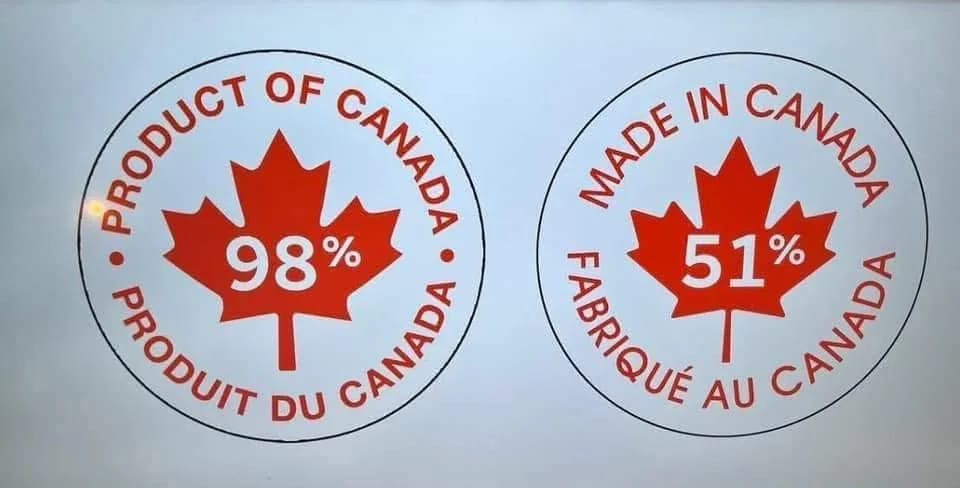
You might’ve seen these labels showing up in your local stores, “Product of Canada”, “Made in Canada”, & “Prepared in Canada”. Let’s decode these labels:
Product of Canada: This label signifies that almost all major ingredients, processing, and labour are of Canadian origin.
Criteria:
All or nearly all significant ingredients are sourced from Canada.
Non-Canadian ingredients are minimal, typically less than 2% of the product's content.
Made in Canada: This designation indicates that the final substantial transformation of the product occurred in Canada, but it may include imported ingredients or components.
Criteria:
The last significant manufacturing process took place in Canada.
At least 51% of the total direct production costs (labour, materials) were incurred in Canada.
Prepared in Canada: This term is used when a product has undergone its final preparation or processing in Canada, regardless of the origin of its ingredients.
Criteria:
The product was assembled, mixed, baked, or otherwise prepared in Canada.
Ingredients may be sourced internationally.
There are huge differences depending on the tag, and now you know the differences.
Identifying Genuine Local Products:
Other strategies you can use
Still want to shop local, but your local supermarket doesn’t have the tags? Well, here’s some other things you can look out for to help you make your purchase.
Recognize Regional Labels: Certain provinces have specific labels indicating local origin:
Aliments du Québec: Indicates products where at least 85% of the content originates from Quebec.
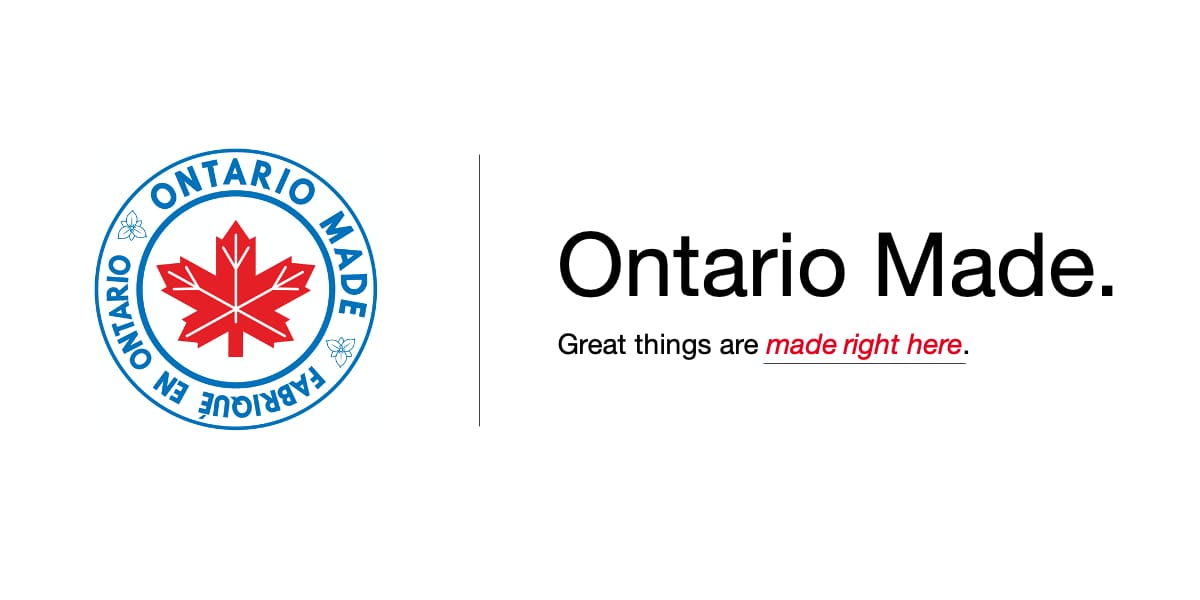
Ontario Made: Highlights products manufactured in Ontario.
Buy BC: Denotes products grown, raised, or processed in British Columbia.
Examine Packaging Details: Look for information such as:
Company Address: A local address can indicate a Canadian-based producer.
Ingredient Sourcing: Some labels specify the origin of primary ingredients.
Utilize Technology: Leverage apps and websites designed to help consumers identify Canadian products.
BuyBeaver: Allows users to scan barcodes to verify if a product is Canadian-made.
Made in CA: Provides directories of Canadian brands and products
Finally try engaging in local markets, shopping at farmers' markets, craft fairs, and local boutiques increases the likelihood of purchasing genuinely local products.
Watch Out for “Maple Washing”:
Be cautious of misleading practices
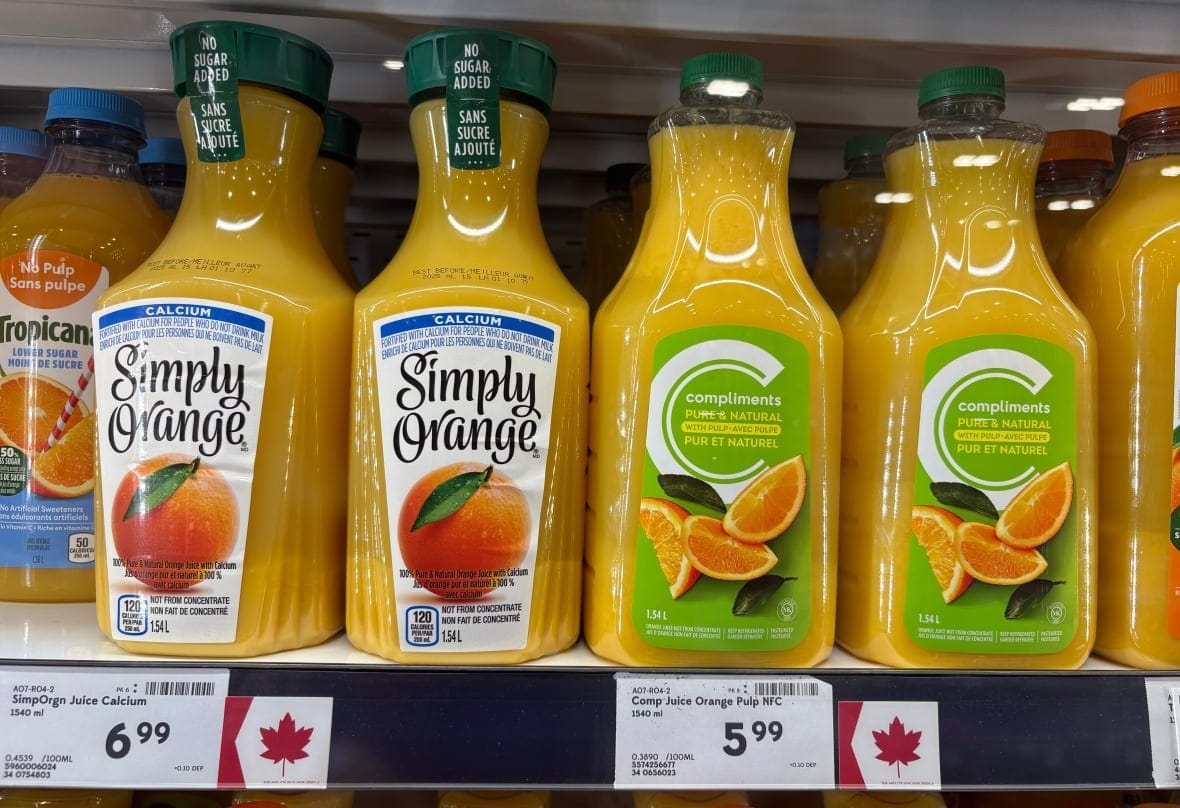
"Maple washing" refers to the practice of misrepresenting products as Canadian-made to capitalize on consumer preference for local goods. This deceptive labeling can mislead consumers who aim to support domestic industries. Notable examples include:
Mislabeling Imported Produce:
Instances were reported where U.S. products were falsely labeled as Canadian, misleading consumers. For example, a product labeled as "Product of Morocco" was found to be of U.S. origin upon closer inspection.
Keep in mind, this is common for a lot of products, for example, Israeli products are often labelled as “Made in Morocco” or “Product of California”.
Ambiguous Labeling Practices:
Remember we went through “Prepared in Canada”, and there is no requirement for any of the items in the product to be produced in Canada at all, this is misleading, and makes you think it’s a Canadian product, when it really isn’t.
Misleading Shelf Labels:
Some retailers have been found placing maple leaf stickers on shelves to denote Canadian products, but inconsistencies have arisen. For instance, Kicking Horse Coffee, originally from British Columbia but sold to an Italian company in 2017, had a maple leaf sticker at a Sobeys store, while Newfoundland-based Jumping Bean Coffee did not. This inconsistency can mislead consumers about the true origin of products. More examples here
People make mistakes, so make sure you take the effort to check if items are genuinely Canadian or not, and not just trust a maple leaf when shopping.
By understanding these labels and putting in some effort, you can genuinely support local industries, ensuring your purchases align with your values and contribute positively to the Canadian economy.
We hope you enjoyed this week’s newsletter! Let us know your thoughts below, and we’ll see you next week.