- Salaaz's Newsletter
- Posts
- Week 22: Corporate Greenwashing
Week 22: Corporate Greenwashing
How Companies Fake Sustainability

Salaaz Market
04 Mar • Estimated Reading Time: 5 minutes

Sustainability sells. More than ever, consumers are choosing brands that claim to be “eco-friendly,” “carbon-neutral,” or “ethically sourced.” But how much of this is real, and how much is just greenwashing—a marketing tactic designed to deceive?
What is Greenwashing?
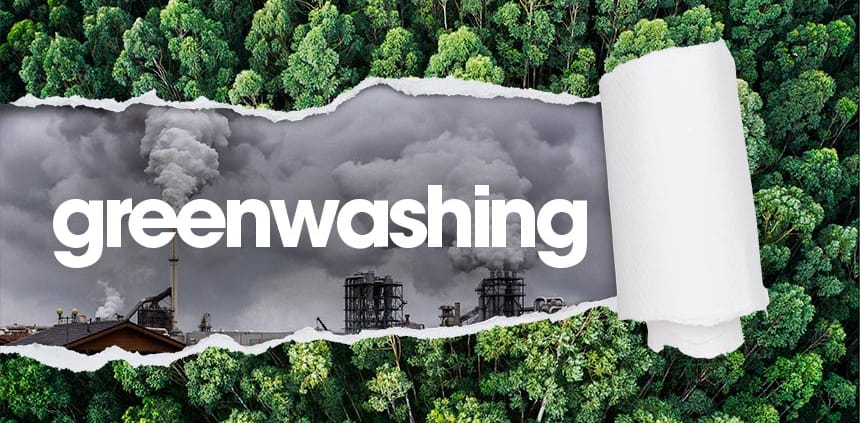
Greenwashing is when companies mislead consumers by making false or exaggerated claims about their environmental efforts. Instead of actually reducing harm, they invest in marketing strategies to appear sustainable while continuing harmful practices. Here’s some common examples:
Carbon Neutrality Claims – Many brands claim to be "carbon neutral" but only achieve this by buying carbon offsets instead of cutting actual emissions.
“Eco-Friendly” Packaging – Some companies use green-colored labels or vague words like “natural” while still using plastic-heavy, non-recyclable packaging.
Fast Fashion’s “Sustainable Lines” – Brands like H&M or Shein release a few “green” products while continuing mass production of cheaply made, environmentally damaging clothing.
Big Oil & Fossil Fuels’ PR Stunts – Shell, BP, and ExxonMobil promote their tiny renewable energy projects while investing billions into fossil fuel expansion.
Always make sure to do your research when it comes to purchases, companies should always provide transparency, third-party certifications and have overall best practices before they sway you with fancy packaging or media stunts.
Caught Red-Handed:
Examples of greenwashing, and how companies had to pay the price
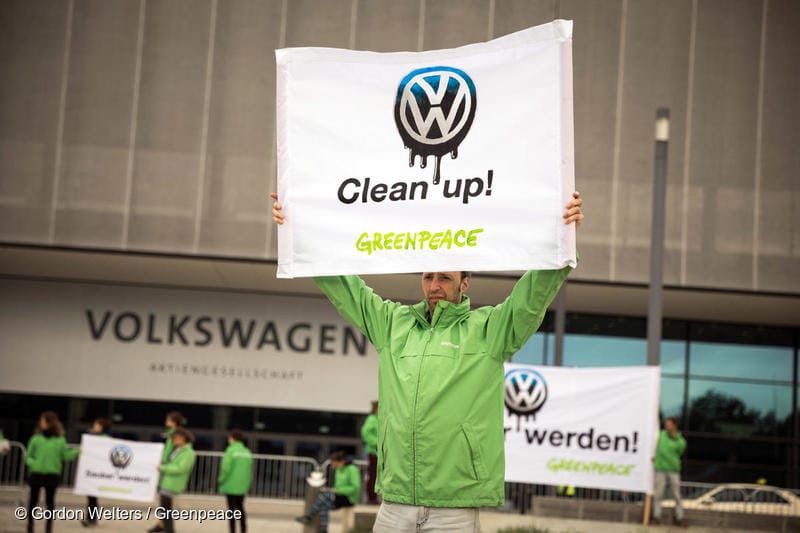
Greenwashing isn’t just immoral, it’s illegal. And many companies that get caught doing so, pay heavy fines. Let’s take a look below at some examples of greenwashing that’s gone wrong:
Volkswagen incurred costs of approximately $30 billion USD including a $2.8 billion USD criminal penalty from the U.S. government, due to deceptive practices, where they rigged engines to show lower emissions.
Coca-Cola faced a $5 million USD penalty in 2024, for portraying itself as environmentally friendly, despite a significant portion of its packaging being non-recyclable.
Nestlé faced a $7 million USD in 2024 penalty for making false representations about the ethical source of palm oil, a crucial component of several products.
It’s always interesting seeing some of the industry leaders in multiple different industries always showing up in naughty lists whenever we put them together. We’ve mentioned Coca-Cola and Nestlé multiple times in our newsletter in past articles for various reasons, and they seem to always come back.
Successful Sustainability:
It’s not all greenwashing

This doesn’t mean that all eco-friendly marketing is false, quite the contrary. Companies are adopting eco-friendly practices in response to consumer demand not only enhance their own financial performance but also contribute positively to society.
Here are a few financial points illustrating this impact:
Forbes reports consumers are increasingly favoring brands that align with their environmental values. This is pushing companies to become responsible and ethical, to attract more customers.
Implementing energy-efficient measures lead to significant cost reduction. Industries worldwide could save $437 billion USD annually by 2030 if the energy efficient trends continue.
There are over 7,648 funds with a combined value of over $2.74 trillion USD available globally, where investors focus on Sustainable companies.
So as we can see there are a a good amount of incentives for companies to become sustainable and by aligning business strategies with consumer demand for sustainability, companies not only improve their financial performance but also play a crucial role in advancing environmental and social well-being.
At Salaaz, this is something we want to empower, the ability to show your transparency, sustainability, and responsibility. And we will allow our vendors and users different ways of showcasing it, so you don’t have to worry about doing research over every purchase.
We hope you enjoyed this week’s newsletter! Let us know your thoughts below, and we’ll see you next week.