- Salaaz's Newsletter
- Posts
- Week 20: Electronic Waste
Week 20: Electronic Waste

Salaaz Market
18 Feb • Estimated Reading Time: 4 minutes

Good morning, readers! This week, we’re diving into the world of electronics, focusing on the environmental and ethical challenges woven throughout their supply chain, and what you can look for when buying tech
Sourcing & Mining:
Resource Depletions, Pollution & Child Slavery
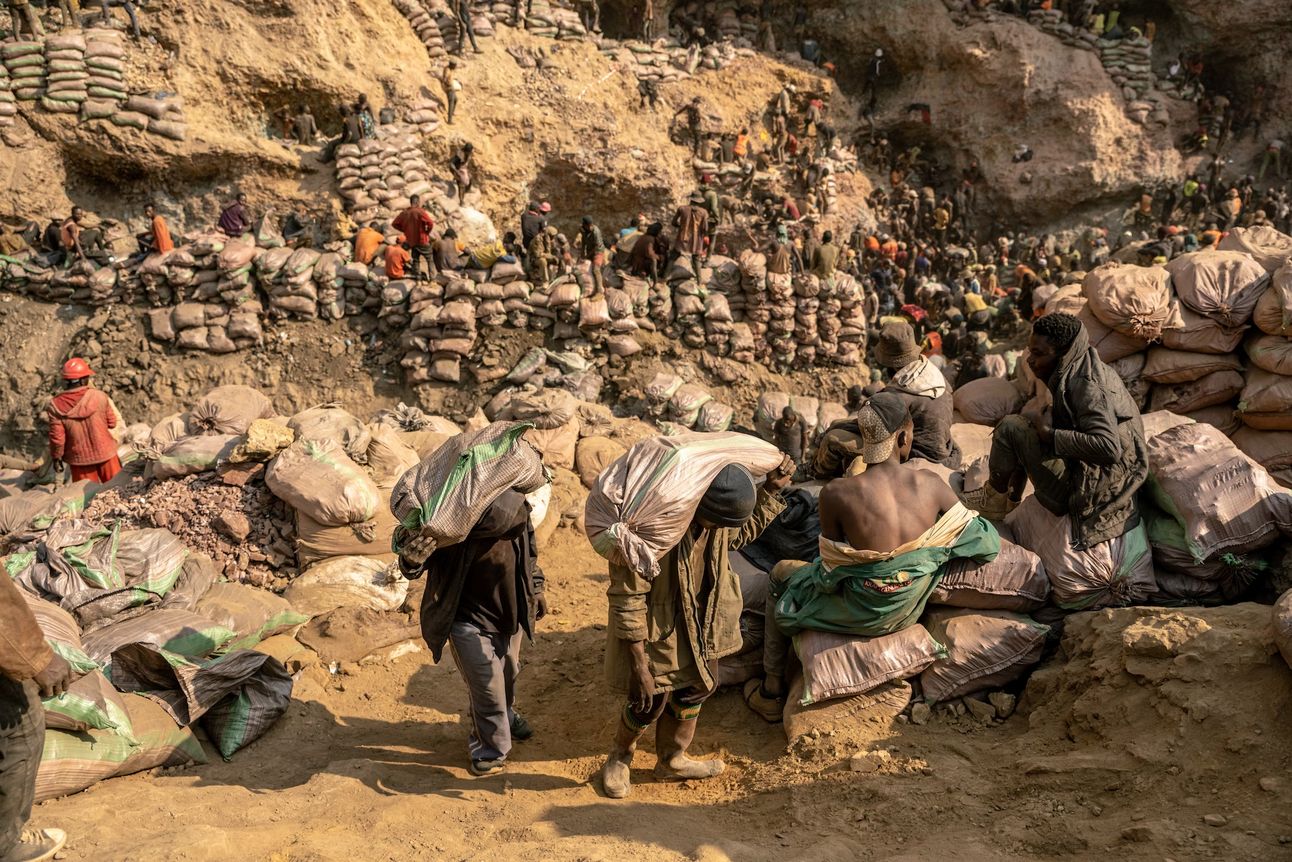
Did you know how the resources in our electronics are sourced? The workers’ conditions and the environmental impact are pretty grim, lets take a look below:
Workers in Indonesia’s largest Nickel factory work 15 hour days, are paid less than $25 a day, and have not had a single day off in up to 3 months at a time
The same factory, built on the island of Borneo, caused indefinite smog and has caused 52% of the patients at local clinics to suffer from acute respiratory infections
In Congo where two thirds of the world’s Cobalt is mined, the miners are paid less than $150 per month, wear nothing but t-shirts, flip flops and flashlights strapped to their heads in airless tunnels
The same mines employ thousands of children as young as 7 years old, carry bags heavier than them, and are whipped and beat regularly for $1 a day
Monopolies & Challenges in Supply Chain Transparency:
Who controls the resources and how much can we trace
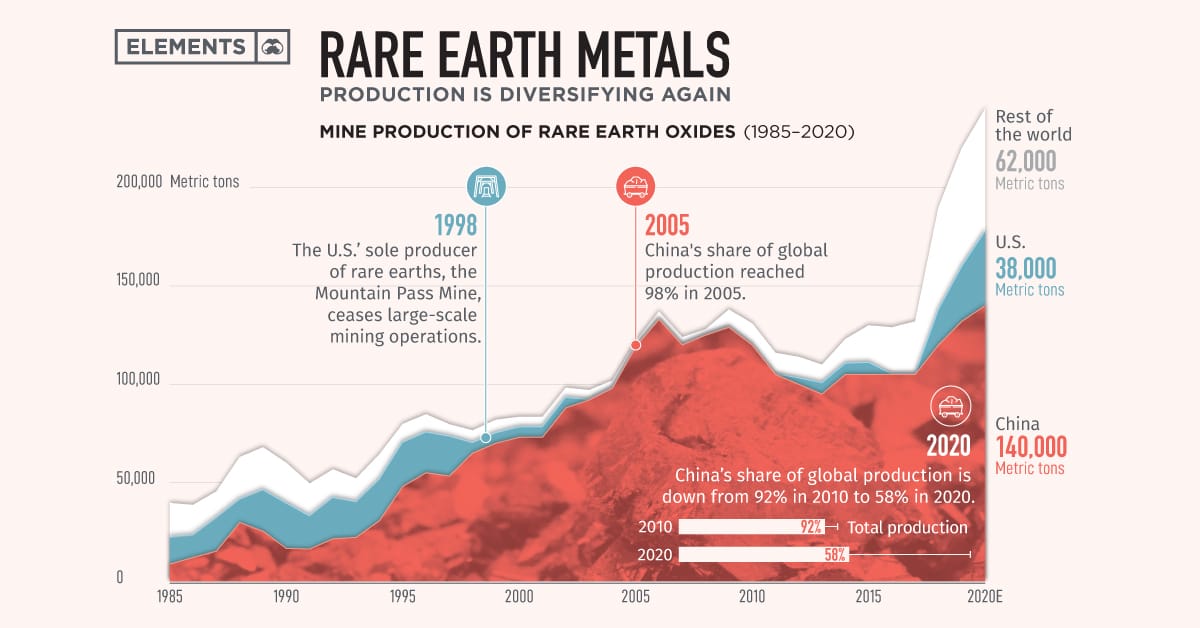
As you can guess, China has majority control over the rare earth metals production, this is why you see the amount of production of items in China. How does this affect the world, and how does getting on their bad side affect your economy:
As you can see in the info graph above, China produces almost 60% of the world’s rare earth metals and processes over 85% of it
Amnesty International contacted 16 multinational consumer brands on their cobalt products, none of them can trace their supply chain, but all are listed as direct or indirect consumers to companies exploiting Congolese men and children
The same report shows multinationals such as Apple, Samsung and many others who say they have zero tolerance policy for child labour, but the promise is not worth the paper it is written on when they aren’t investigating their suppliers
Currently, there are no regulations of the global cobalt market, and doesn’t fall under “conflict minerals”, so legal steps aren’t taken against its mining
Considerations When Purchasing Electronics:
What you should consider before purchasing

Despite what you may think, this doesn’t mean we should cut off electronics from our lives, because lets be frank, it’s impossible. That being said as a consumer you still play a pivotal role in addressing challenges, and this is how:
Sustainable Brands: Support companies that prioritize ethical sourcing of materials and have robust recycling programs.
Product Longevity: Opt for devices known for durability and repairability to reduce the frequency of replacements.
Recycling Programs: Participate in e-waste recycling initiatives to ensure responsible disposal of old devices.
Second-hand Options: Consider purchasing refurbished or second-hand electronics to minimize demand for new resource extraction.
By making informed choices, consumers can contribute to reducing the environmental and ethical impacts of electronic devices, and you might be surprised, the items in your drawers might be worth more than you think.
We hope you enjoyed this week’s newsletter! Let us know your thoughts below, and we’ll see you next week.