- Salaaz's Newsletter
- Posts
- Week 19
Week 19

Salaaz Market
11 Feb • Estimated Reading Time: 5 minutes

Good morning, readers! Another week, another newsletter. This time, we’re diving into a topic that’s always lingering in the background—you hear about it often, but probably don’t think too much about it. We’re taking a closer look at bottled water: its impact on us, the planet, and whether it’s really always the fresh spring water we’re led to believe.
Bottled Water: Convenience at the Planet’s Expense
Corporate Greed in Bottled Water:
Extraction, margins, and is it really Spring Water?
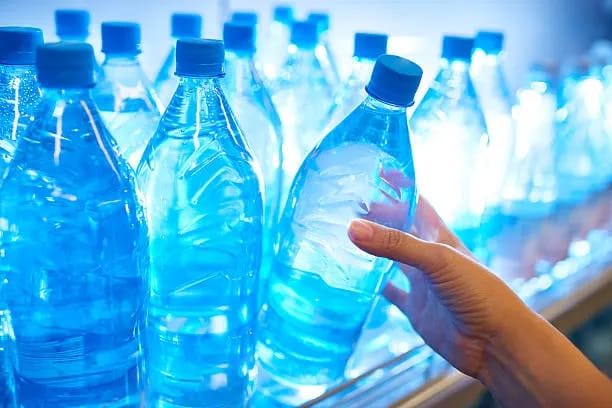
We know bottled water companies are massive, but how much water do they actually use? How much do they pay for it? And is all of it truly spring water? Let’s break it down below.
Everyday over 6.3 million litres of water is extracted from Ontario alone, summing to almost 2.3 billion litres annually. And over 1.59 billion litres annually in the UK from just a single company.
In Ontario, companies only have to pay $503.71 per million litres of water extracted. Averaging to $0.0125 per bottle.
In 2023 Nestle reported a whopping total of 3.32 billion CHF ($5.21 billion CAD) of revenue from just their water division with a reported 10.6% profit.
Poland Springs has an ongoing lawsuit claiming “not one drop” of the 1 billion gallons sold annually in the USA came from a natural spring.
Dasani and Aquafina have been reported to be bottling municipal tap water in their Detroit, MI branches, despite having tens of thousands of unpaid water bills, while thousands of residents have their water shut off for being only $150 behind on their water bills.
Fiji Water, owns majority of the fresh water sources in the islands of Fiji, despite 12% of inhabitants of Fiji not having access to clean drinking water
Bottled Water’s Health & Environmental Impact:
What it can do to you, and what it’s doing to the planet
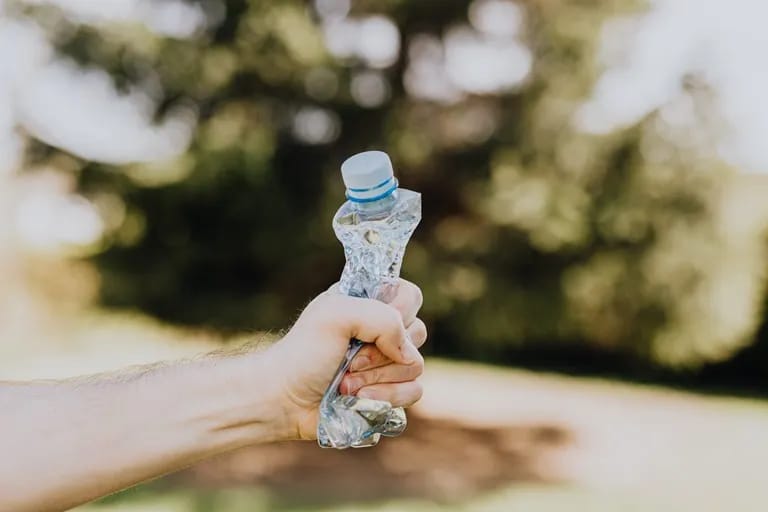
The discussion about petroleum-based solutions isn’t new—we’ve touched on it before in our previous newsletter about microfibers. But let’s take a closer look at the microplastics in bottled water, what they mean for us, and the impact they’re having on the environment.
New studies show a litre of bottled water can contain up to 240,000 tiny plastic fragments, which is 100 times more than previous estimates.
We are still unsure how much microplastic is affecting our health, however, recent research shows microplastics and nanoplastics are emerging as a potential risk factor for cardiovascular disease.
Research shows bottled water is the second most prevalent ocean pollutant, making up 11.9% of all plastic waste around the world, and only 9% of bottles are recycled.
In the U.S., manufacturing these bottles consumed the equivalent of 17 million barrels of oil and generated 2.5 million tons of carbon dioxide.
What Alternatives Should you Consider?
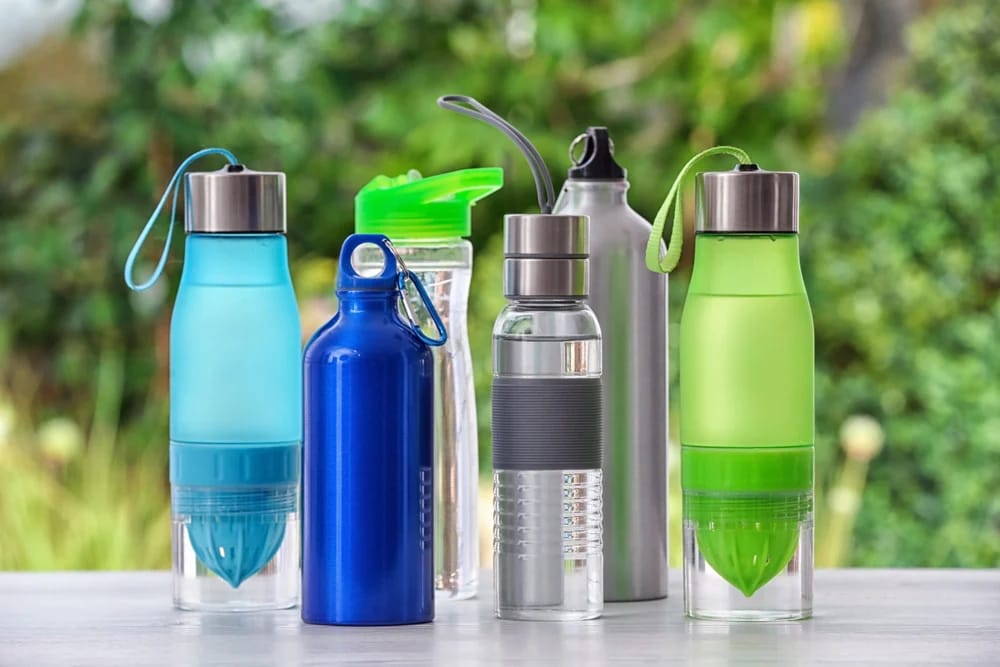
Sometimes, bottled water is the only available option, and there’s no shame in using it. It’s a convenient choice for travel and outdoor events. Just be mindful to recycle them instead of tossing them in the trash. That said, we encourage you to invest in a good reusable bottle. Fill it up before heading out, and you’ll have fresh water without the stale taste—plus, if you opt for a metal bottle, you can skip the microplastics.
Also, keep in mind that many places will gladly provide a cup of tap water for free if you ask—this includes most drive-thru’s, restaurants, and cafes. Larger stores often have water fountains, making it easy to stay hydrated without the waste.
There’s a saying: flowing water stays clean, while still water turns murky. So why do we place so much trust in bottled water that’s been sitting on shelves for months—or even years?
We hope you enjoyed this week’s newsletter! Let us know your thoughts below, and we’ll see you next week.