- Salaaz's Newsletter
- Posts
- Week 17
Week 17

Salaaz Market
28 Jan • Estimated Reading Time: 5 minutes

Good Morning readers, this week we will take a look at fast fashion, the negative environmental effects, as well as the human cost that goes into it. We get into just facts, from some of the biggest brands. So next time you go shopping, you know the real cost of the product.
Environmental Impact:
It’s eating away our environment
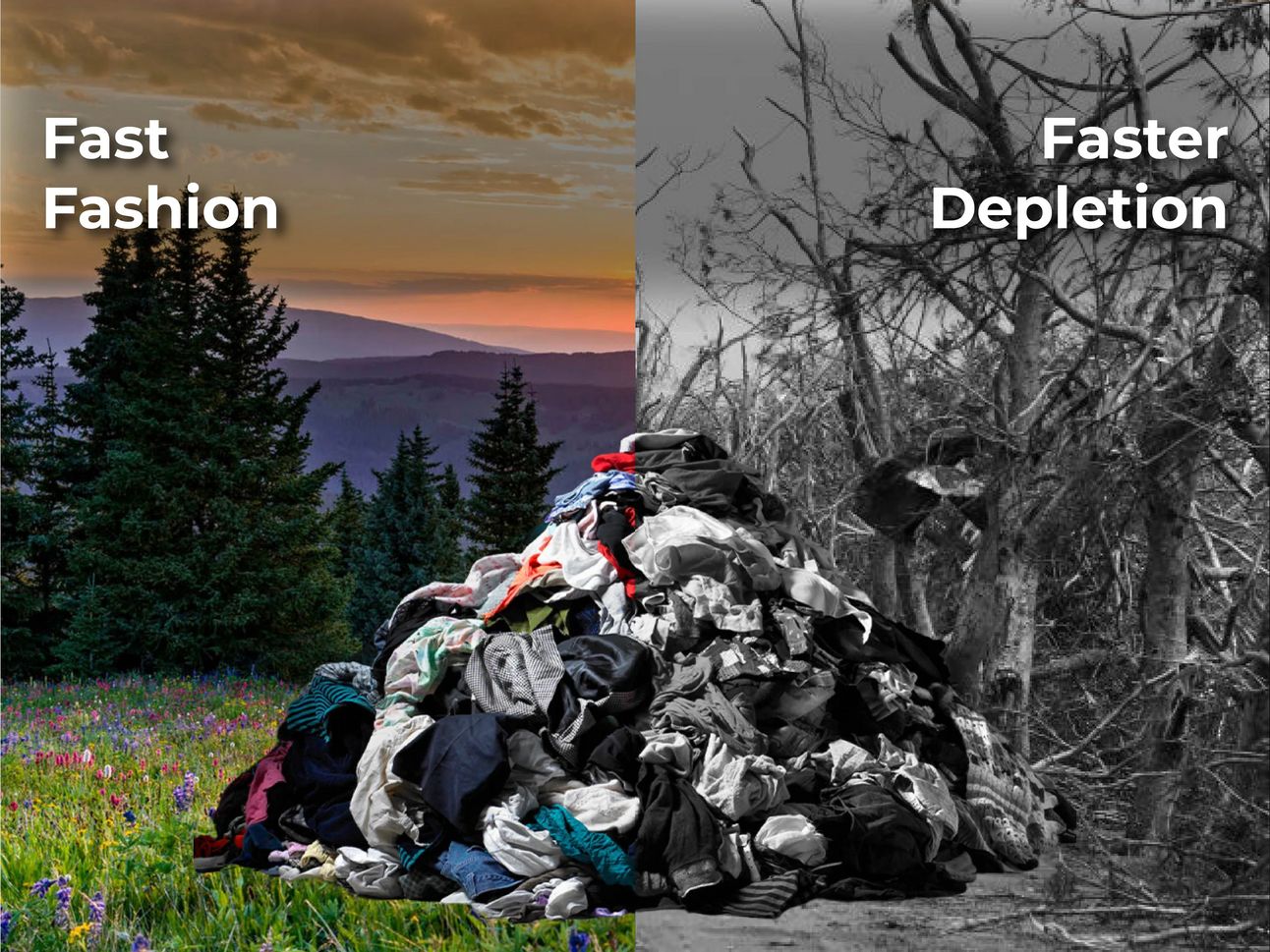
Did you know that producing one cotton t-shirt can take up to 2,700 litres of water. That’s enough water to sustain someone for over 2.5 years. A report by the EU states over 20% of the global clean water pollution, and 10% of global carbon emissions come from the fashion industry. The same report mentions that over 30% of garments are overproduced and will be disposed of without ever be worn. Let’s look at some of the biggest players in this industry and how they perform:
Zara, produces more than 450 million clothing items per day
Forever 21, ensures worker produce up to 700 shirts per day
H&M is known for unsustainable practices, including previously using harmful chemicals and releasing it into rivers and environment, causing cancer & deaths
Shein, adds more than 2,000-10,000 products to their website daily
Human Cost:
Do the people making the clothes even get paid?
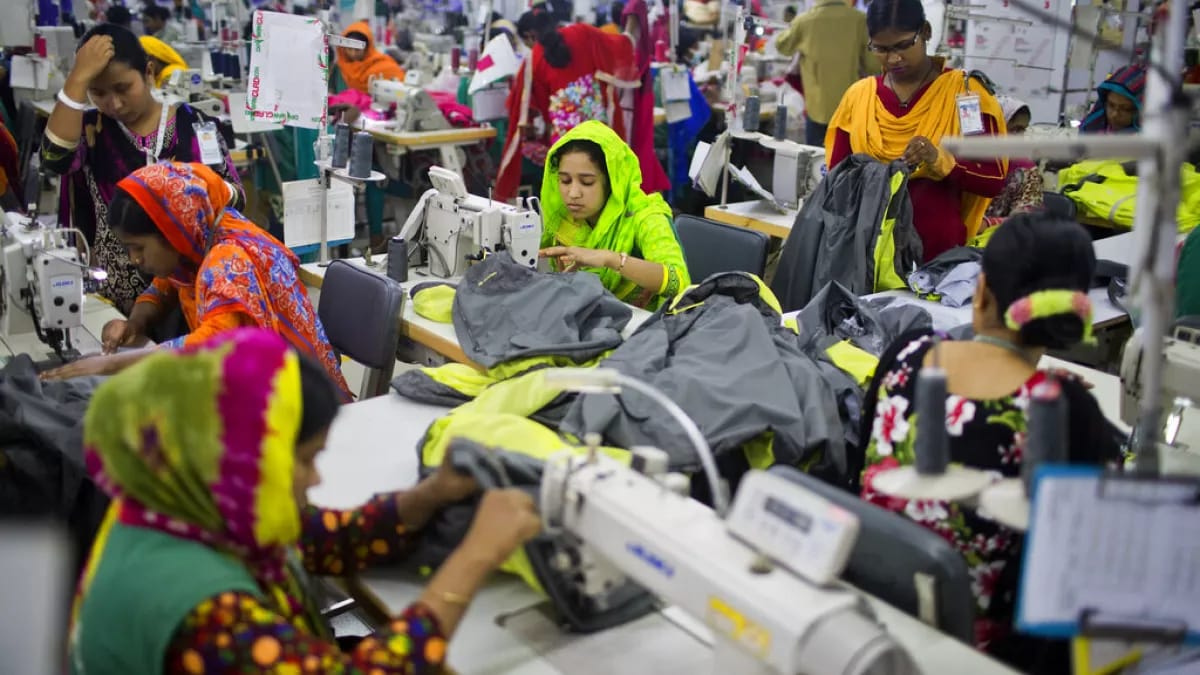
The fast fashion industry employs approximately 75 million factory workers worldwide, yet less than 2% earn a living wage. Over 80% of garment workers are women aged 18-35. An Oxfam report reveals 91% of Bangladeshi workers struggle to afford food for themselves and their families. These are just some numbers you can find from a quick search, but let’s dive into these larger retailers and see how they add to this:
H&M, has been accused of not only providing inhumane working conditions, but also failure to pay 850,000 workers a living wage
Forever 21, paid workers in Los Angeles, USA $4 per hour, cheated workers out of $1.1 million in wages and refused to sign the Bangladesh accord, which guarantees garment workers’ safety and rights
Uniqlo, fathering the worlds largest unresolved wage theft case, still owes $5.5 million in severance pay to 2,000 female workers
What We Recommend:
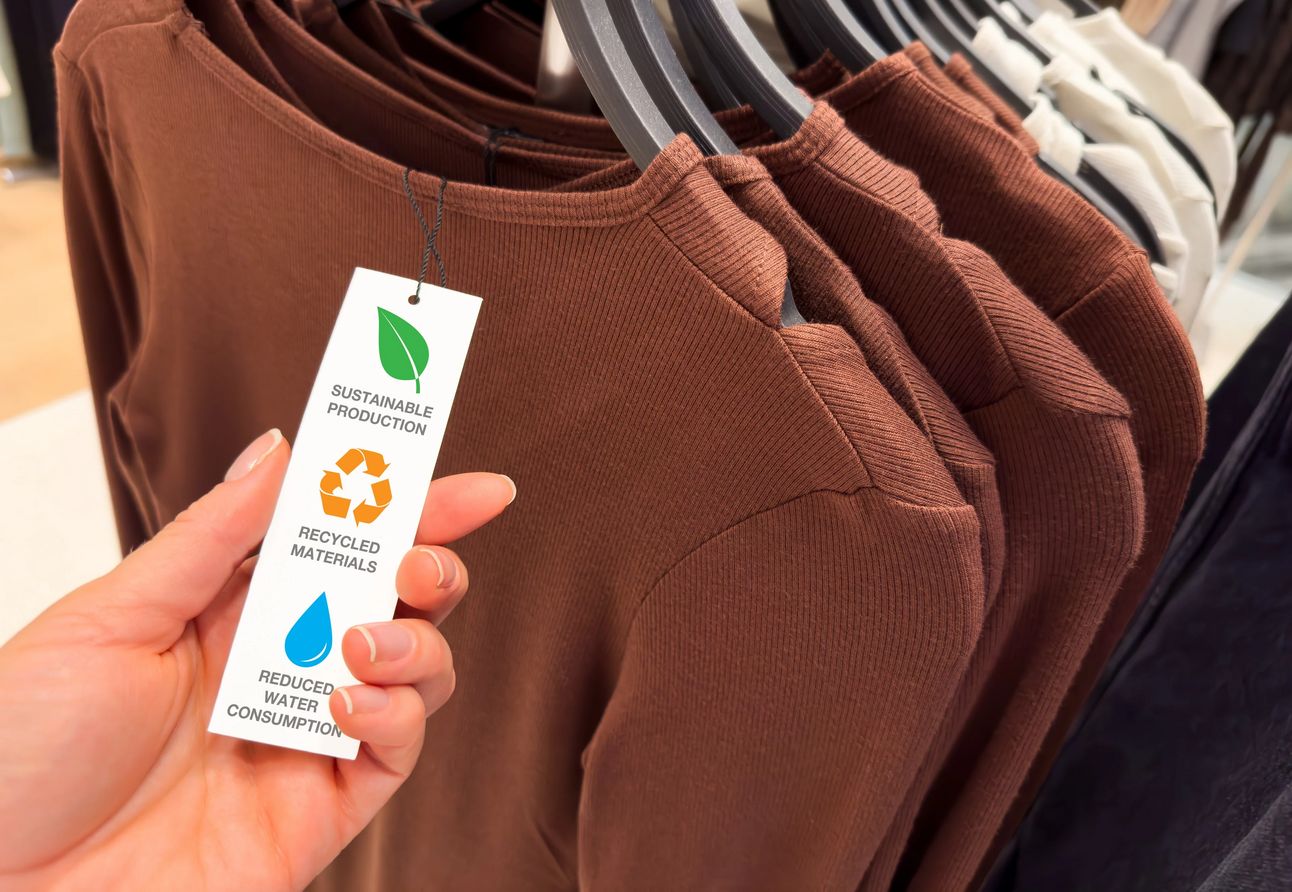
Where there is corporate greed, there will always exist unethical business practices, excessive waste and abuse. But we have to make our best efforts to ensure we support businesses that respect sustainability. Consider buying the item that you know you can wear for years come, and brands that are transparent, even if it means you have to pay a little bit more. Make efforts to buy less, purchase second hand, or even rent.
And when buying, look for brands that are Certified B Corporations, as well as brands that hand make their products. Good examples are Kotn, Frank & Oak, Thursday Boots, and more.
We work together to ensure that we’re only using what we need, and making sure everyone can earn a happy life, and not be a part of modern day slavery just because they were born in another part of the world.
At Salaaz, we want to build a sustainable and transparent marketplace. A place where users can make sure all the vendors and items have been vetted, and can also verify their transparency themselves, and a place where being ethical is what provides brand promotion and awareness.
We hope you enjoyed this week’s newsletter, give us your feedback below and we look forward to seeing you again next week!