- Salaaz's Newsletter
- Posts
- Wasted: The Crisis We're Ignoring
Wasted: The Crisis We're Ignoring
Salaaz Newsletter: Week 79

Salaaz Market
May 12, 2026
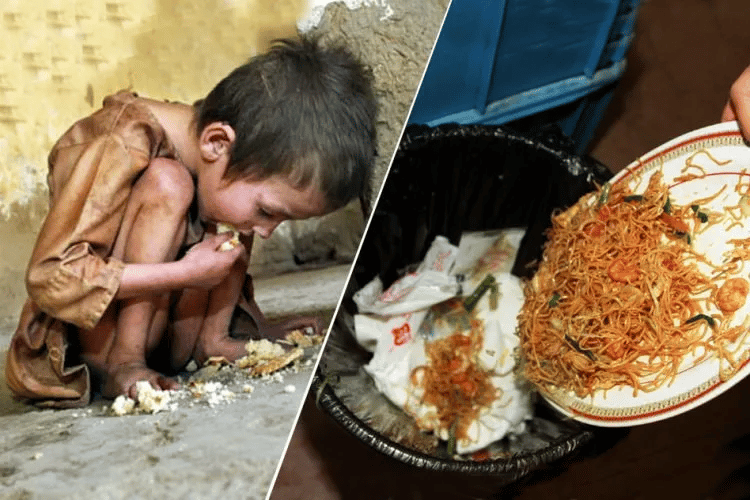
People know about and discuss plastic and reducing plastic bags and using metal straws. Certainly, plastic is concerning for the planet, but did you know global food waste produces around 3 times more global emissions than plastic? The emissions of global food waste are so big that if it were a country, it would rank as the third largest emitter behind only the US and China.
Did you know that around 1 trillion USD in the economy is lost on global food waste? When this amount is injected, it could save the world from famine and hunger. On a global level, this equates to 1 billion meals wasted every single day.
This number is so great because it isn't just the rotten produce that you are throwing out in your home, but also produce thrown on the retail level and on the agricultural level.
It’s estimated that around 30%-40% of food in the US is thrown out or wasted every single year. On the other hand, Europe throws around 40-60% of its fish due to not meeting grocery store standards, despite the high demand for more fish. is demand for more fish in the market. The issue is we can’t settle for ugly or near-expired food, and we can’t appropriately plan how to use food without it going to waste, and this can certainly be preventable.
Lessening Food Waste
Modern food systems are designed around abundance and appearance rather than efficiency and sustainability, and this needs to change.
Here are tips that can be helpful for lessening food waste.
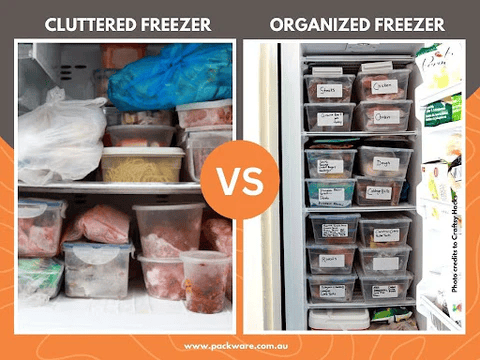
Have a “needs to be eaten ASAP zone” in your fridge. Fridges do not need to be organized only by produce but also can be organized by the order in which they should be eaten and their expiry.
Precut, prepare, and freeze and preserve as much as you can, including your meats, fruits, and veggies and even full meals. Separate fruits and veggies into dispensable sections; separate meats with parchment paper for easy dispensing. With the right prep, dinner is far easier.
Don’t wait for leftovers to go bad and use them ASAP before making something new. A common practice is cooking food while having leftovers in the fridge out of novelty of eating something "fresh"; this can be fixed with using the leftovers to create new innovative dinners rather than keeping them stored in the back of the fridge.
Don’t be the reason one trillion dollars is thrown out of the economy and consider these options when shopping for local goods:
Flash Food App
This is an app you can download and save on local groceries and includes many competing grocery stores such as Nofrills, Loblaws, Kroger, and Tops. Flashfood has helped Canadians save 58 million on groceries in 2025. Download the app and save up to 50% off on groceries that are closer to their shelf life.
Too Good to Go
This app will save you bucks from restaurants that are about to throw away their perfectly edible food, and instead of buying fully priced goods, you can settle for discounted goods that would otherwise be thrown away for a staggeringly lower price. And yes, they include Tim Hortons.
Charity isn’t just about giving, it is also about not wasting what you do have and making good use of it. In a world where millions struggle to eat, reducing food waste becomes not only an environmental issue, but a moral responsibility.