- Salaaz's Newsletter
- Posts
- Truth for Sale: What Brands Don’t Want You to See
Truth for Sale: What Brands Don’t Want You to See
Salaaz Newsletter: Week 42

Salaaz Market
August 12, 2025
Every day, we make dozens of choices about what to buy, from the food on our plates to the clothes we wear. But how often do we reflect on how we got ourselves to buy the product. Behind glossy labels and catchy ads lies a world of corporate lobbying, misleading marketing, and artificial standards designed to keep us buying, often at the expense of our health, wallets, and values.
Companies that have a critical eye for what they are selling can link themselves to questionable lobbying, political influence, or funding practices. As a consumer and worker, it is important to be aware when they go against the public good.
Junk food brands have previously lobbied against adding health labels and warnings on junk foods despite links to obesity and diabetes. For example, the Canadian Beverage Association, with Coca-Cola and PepsiCo, advocated against nutrition labelling and sugar taxes.
Minimum wage companies like Tim Hortons have opposed labour-friendly wage laws.
Fossil Fuel Companies like Suncor have opposed stricter climate regulations and shed fossil fuels in a positive light to children.
These are only a few examples of how companies advocate against the public interest for the benefit of their own company. If companies have an agenda, it is important to note how that objective shapes itself into our world.
Holding a Critical Eye: Label Misrepresentation
Product labels can downplay or misrepresent themselves in ways that consumers might not catch on to. Ultra processed foods have high amounts of seed oils, sugars, and additives which are linked to various adverse health outcomes such as diabetes. But many people overlook how processed foods can disguise themselves in a way that can be misleading to the consumer.
Here are a few examples:
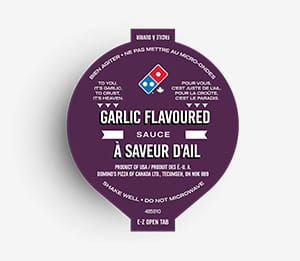
Domino's Garlic Flavoured Sauce: Soybean oil, chemicals, and a hint of garlic flavouring

Condensed Creamer or Whipped Toppings: Vegetable oils to replace the dairy
What you may think is just cream could be processed vegetable oils. What you might believe to be garlic sauce could actually be flavoured and coloured soybean oil. “Process Cheese Product” can look like cream cheese when it is not at all. This labelling often gives consumers a false and deceptive impression.
It is not just foods that misrepresent themselves; it is also marketed in other industries such as clothing and skincare.

Silk scarves could be polyester satin labelled as “silk feel.”
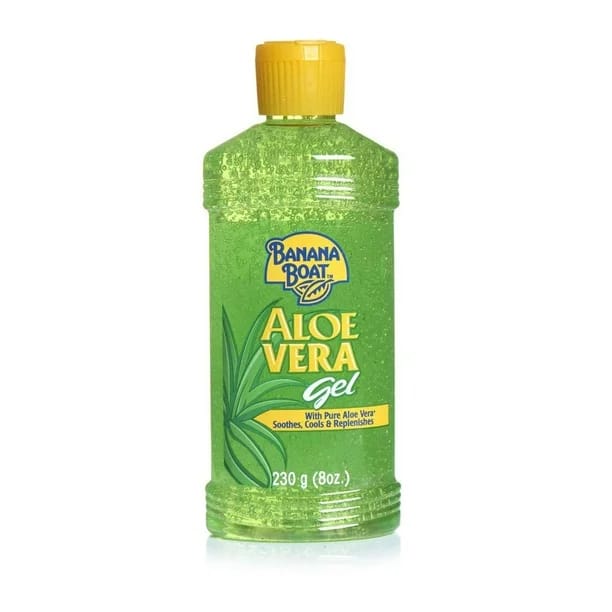
“Aloe Vera Gel” contains water, glycerin, and thickening agents, with only trace amounts of aloe vera.
It is important to hold a critical eye towards products that add adjectives in their labelling, as this is often a loophole around label laws but may come off as deceptive and misleading.
Selling Artificial Demand
There is a marketing scheme associated with setting an ideal for society and profiting off of people's desire to meet those standards. This is how it can be seen in the beauty industry.
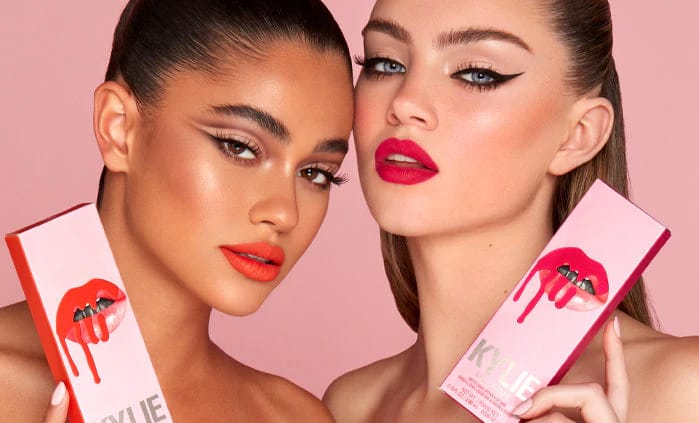
Lip fillers became popular after Kylie Jenner lip kits came out, and many develop body insecurities from unrealistic and artificially created standards.
Setting the ideal: An ideal unrealistic standard is set through advertising a narrow range of beauty focused on skin tone and texture, body type, hair type, and facial features.
Selling the solution: Every insecurity becomes a sales opportunity. Feeling pale? Skin tanning products. Feeling too dark? Buy skin whitening creams.
Normalizing upkeeps: Having these artificial standards creates a need for continuously repeating them in order to have that standard. Once you have your lash extensions or nails done, it will cost hundreds of dollars per month to keep them up.
This can be quite exploitative for many and leave a mass standard of insecurity for not being perceived as enough instead of gratefulness.
Marketing disproportionately impacts those with fewer resources or less consumer awareness. It is important to be conscious of how products are sold and demanded through questionable and unethical methods. The only real defence is awareness, because in a market built on persuasion, the most powerful thing you can do is refuse to be sold on a lie.