- Salaaz's Newsletter
- Posts
- Toxic Beauty: How North America’s Cosmetic Industry Risks Our Health
Toxic Beauty: How North America’s Cosmetic Industry Risks Our Health
Salaaz Newsletter: Week 47

Salaaz Market
September 23, 2025
Moisturizer, witch hazel, scrub, vitamin C, retinol, hyaluronic acid, and the list goes on. For every part of your body come personal care products. Influencers can get an average person to start developing a 12-step nighttime routine; that is why they are called influencers in the first place. All you really need is cleanser and sunscreen, but overconsumption is good business.
The disparity begins when companies stop regulating their ingredients, and unfortunately for North America, we haven't been keeping up with the standards.
The Regulatory Disparity: North America vs UK
Did you know that the UK banned over a thousand substances for cosmetics, while the US FDA only banned around 11 such ingredients? If this doesn't sound alarming, here are some details on these substances.
Lip care products are high-selling cosmetics that are used frequently and possibly consumed by the body. They often contain mineral shimmers such as mica, colourants and chemicals which enhance the shade. But what is really going on our lips every day, and is it fair to trust brands such as L'Oreal, shunned for its extensive ethical concerns, to be safe for long-term wear or everyday use?
The answer is simple. No, and especially not when US products take a risk-based regulatory approach rather than a UK precautionary approach with cosmetic care. This simply means that our self-care products may pose a risk to our health, but without extensive evidence or enough research, they are still used. Especially when the US Personal Care Product Council (PCPC), which represents 600 cosmetic companies, including L’Oréal, Procter & Gamble, Unilever, Johnson & Johnson, and more, is actively lobbying against stricter ingredient bans.
This practice is problematic because studies do indicate that ingredients that are allowed in our personal care products pose health risks.
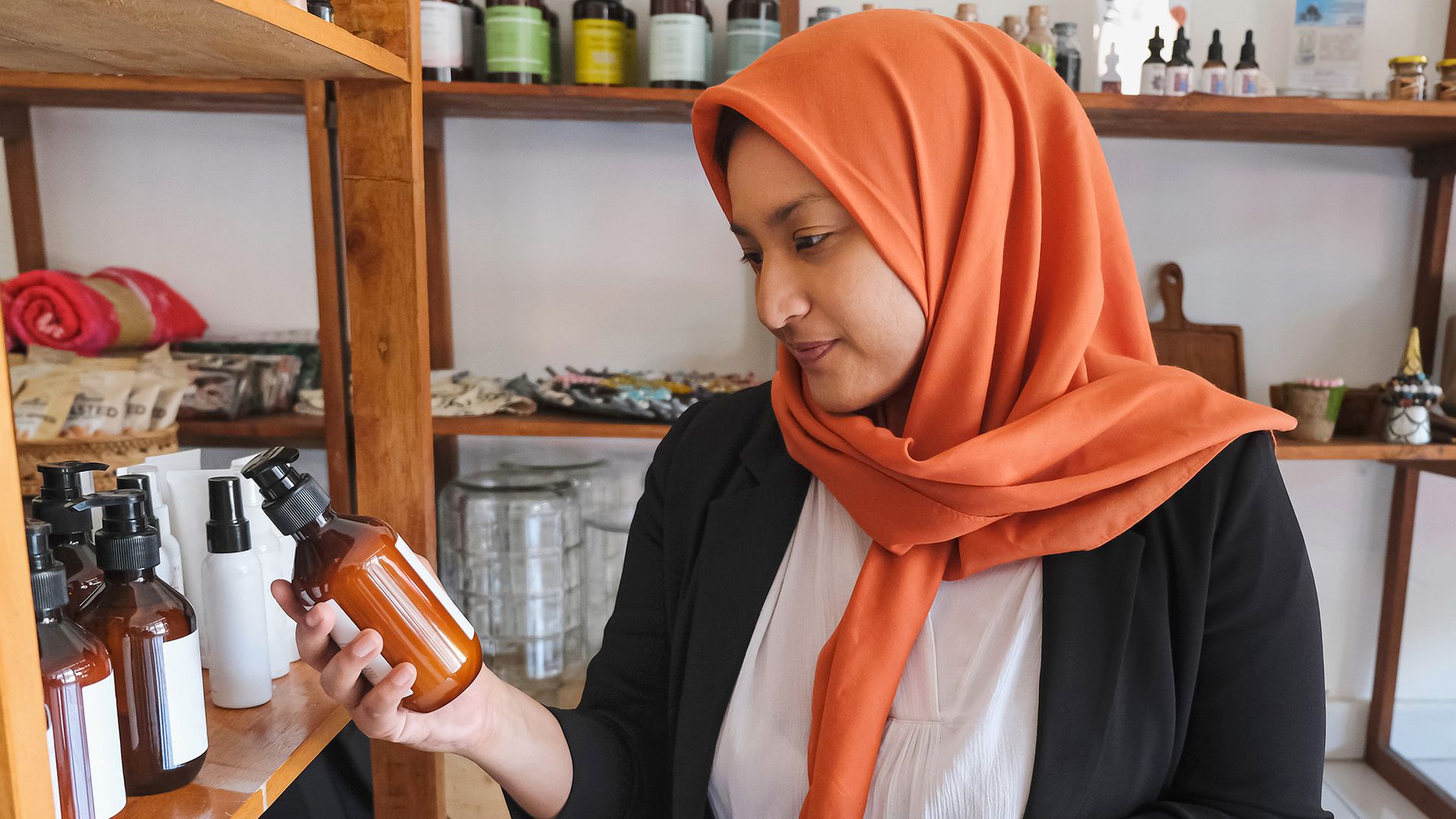
Here are a few ingredients found in self-care products to consider:
Ammonia (found in hair dyes): can cause eye and lung irritation.
Mineral oils (found in baby oil): Skin irritation, clogged pores, and long-term skin issues
Talc (found in eyeshadows and blushes): Lung problems and ovarian cancer risk
Lead (in certain colour additives for lipstick and hair dyes): reproductive issues and neurological damage
BHA, or Butylated Hydroxyanisole (found in lip products and moisturizers): Endocrine disruption and carcinogenicity
Cancer, organ toxicity, and endocrine disruption are all risks that nobody wants to take for the sake of beauty. Let the UK serve as an example that North America should follow, with many of the toxic chemicals banned for health reasons even if that limits the market.
Are Natural Products Even Safe, Clean, and Even Natural?
Let's jump to natural products, a better and cleaner alternative to chemicals of concern. But first keep in mind greenwashing tactics may fool you into believing the word “natural” has merit.
But it really doesn't, at least legally speaking. Under the FDA, both “natural” and “organic” in cosmetics are explicitly unregulated terms with no legal definition. These terms are also unregulated by Health Canada. This means that any skincare, shampoo, or makeup product can label itself as natural even if it's almost entirely synthetic.
But luckily this doesn't mean you need to fly to the UK to get regulated products. All it means is that we have to be more curated in our selection of personal care products. Ingredients and sourcing come first as a priority for ethical standards, and here are the kinds of brands to look for.
Coco’s Tallow
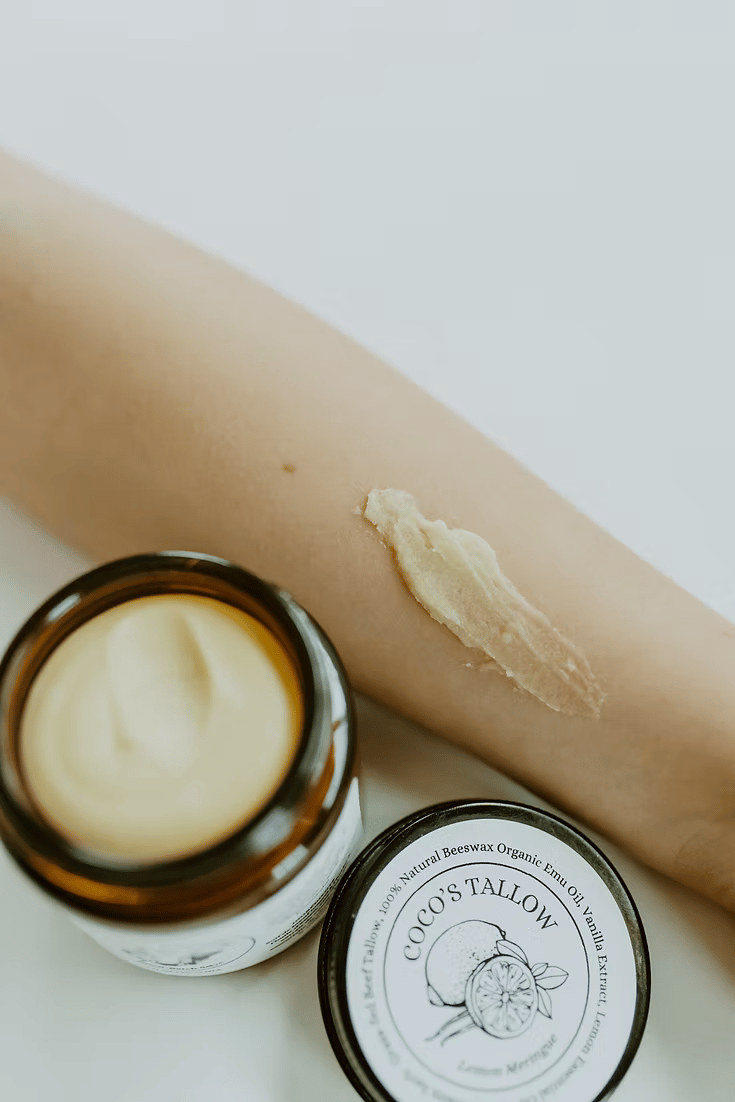
Ingredients: Tallow, unrefined coconut oil, coffee, bentonite clay, lye, chocolate extract, sarsaparilla root, marshmallow root
Handcrafted in Canada
Natural Skin Care, Skin Oil, and Lip Scrubs
Grass-fed beef tallow used
Curaloe

Locally Grown Aloe Farm in Canada
Body and skin repair creams, face washes, and shampoos
Eco-friendly packaging and sustainable farming methods used
These skincare brands don’t hold the title “natural” without promised delivery.
Self-care shouldn't just be superficial; what you put on your body outside should reflect positively on your health. Otherwise personal care becomes nothing other than clever marketing at the expense of your well-being.