- Salaaz's Newsletter
- Posts
- Tiny Pieces, Big Trouble: The Silent Invasion of Micro-plastics
Tiny Pieces, Big Trouble: The Silent Invasion of Micro-plastics
Salaaz Newsletter: Week 59

Salaaz Market
December 16, 2025
Micro-plastics: Invisible Guests in Our Bodies
Maybe you've heard of microplastics, maybe you haven't. But even if you have not, your body already has. Your body has already become accustomed to micro-plastics and carries them through ingestion or inhalation, even in the brain. It wasn't until 1950, when plastics became a worldwide phenomenon, that tiny plastics found to be under 5 mm were found to be broken from larger pieces and slowly contaminated the ends of the earth. Today even Antarctic snow were found to be contaminated with microplastics. It is estimated that we ingest around 5 grams of plastic every week, about the same amount shredded to be able to fill a porcelain spoon.

Every week on average plastic intake per person
The problem is microplastic effects are a dark figure because research has not fully developed, yet our understanding of plastics and their effects on health is well established. Here is how it impacts human health:
Endocrine disruption
Cancer
Heart attacks
Reproductive issues
Cardiovascular disease
With these dangers to health established by plastic, it isn't particularly favourable to be spoonfed weekly.
Adding to the concern is the lack of biodegradability. Plastic does not disintegrate easily and lasts hundreds of years before disintegrating and even then stays in the air as micro-plastics. What this means for your body is just an accumulation of inhaled plastics overtime.
Global Justice and Plastic Destruction
Microplastics are in both terrestrial and marine animals, accounting for significant changes within the ecosystem and a presence within 90% of marine animals. The weight of plastics in the ocean is equivalent to almost 38,000 African elephants and one garbage truck full of plastic dumped per minute all year. And the impacts of the ecosystem through plastic are great.
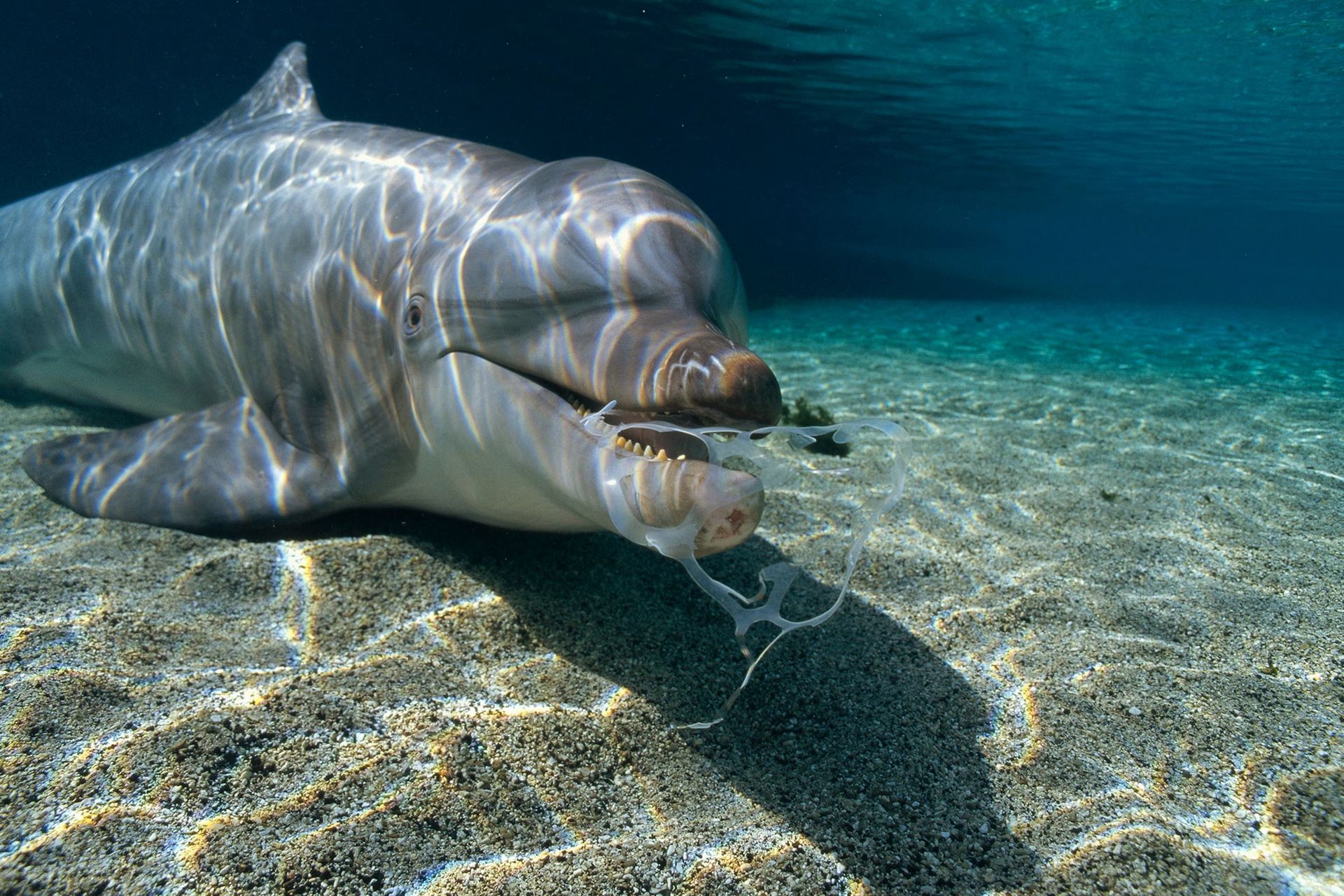
90% of marine life is affected by micro-plastic
And unfortunately it's the global south that is taking a toll from plastic waste export. Would it be ethical to take your garbage and dump it on your poor neighbour's lawn? That is essentially what is happening, with the UK exporting 600,000 tonnes a year to places like Indonesia and Malaysia with lower environmental laws. US plastic also makes its way over to overwhelm the poorest nations, so maybe think twice before carelessly using plastics that might end up in a slum.

Plastic is not the fault of the global south
Fighting Plastic: What You Can Do
Microplastics are so common because plastic is in almost everything we use, from our clothes made of polyester plastic and food packaging to household items, homes, transportation, and more. To a certain extent it is unavoidable; however, it is still possible to reduce our microplastic intake. Although plastic is lifesaving for industries such as healthcare, it is nowhere near necessary almost everywhere else. Here are ways to avoid and reduce microplastics in your life.
Use wooden and metal kitchen tools (wooden cutting boards, utensils).
Drinking metal water bottles with filtered tap water
Using glass, steel, or ceramic containers rather than plastic containers
Use beeswax or silicone lids rather than plastic film
Wear cotton, linen, or wool
Here is a local shop that provides essentials with zero waste, located in Toronto, and ships online with many ethical products.
Bare
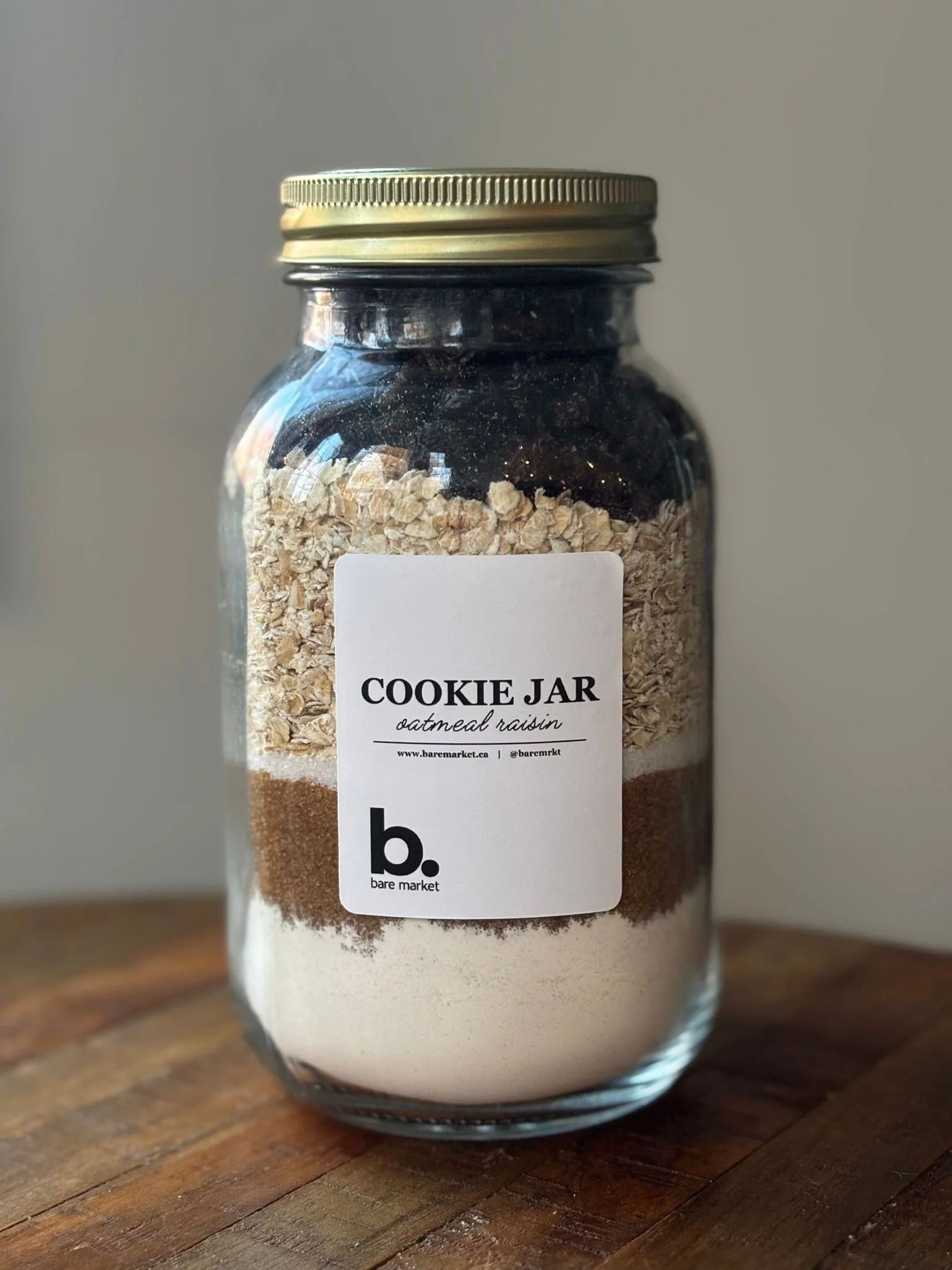
cookie jar mix from Bare
Plastic-free shopping model
Ethical & eco-friendly products
Community-focused sustainability
So now it’s time to seriously focus on using the recycling bin before we turn into one. Our body and fish need saving from microplastics, and it starts from your bottle habits. Pushing for plastic-free packaging and plastic-free everyday products is the only ethical solution to the current situation, and you can be part of this starting today!