- Salaaz's Newsletter
- Posts
- The Grocery Store Trap: Why 70% of What We Eat Is Making Us Sick
The Grocery Store Trap: Why 70% of What We Eat Is Making Us Sick
Salaaz Newsletter: Week 46

Salaaz Market
September 16, 2025
Every trip to the grocery store leaves you with options. Choosing between a convenient and tasty prepackaged food or spending hours cooking can easily lead to a significant consumption of ultra-processed foods. Unfortunately for the average American, ultra-processed foods still make up more than 50% of our diet.
The issue is many people are consuming foods that they have little knowledge of, big corporations are profiting, and people’s health is suffering.
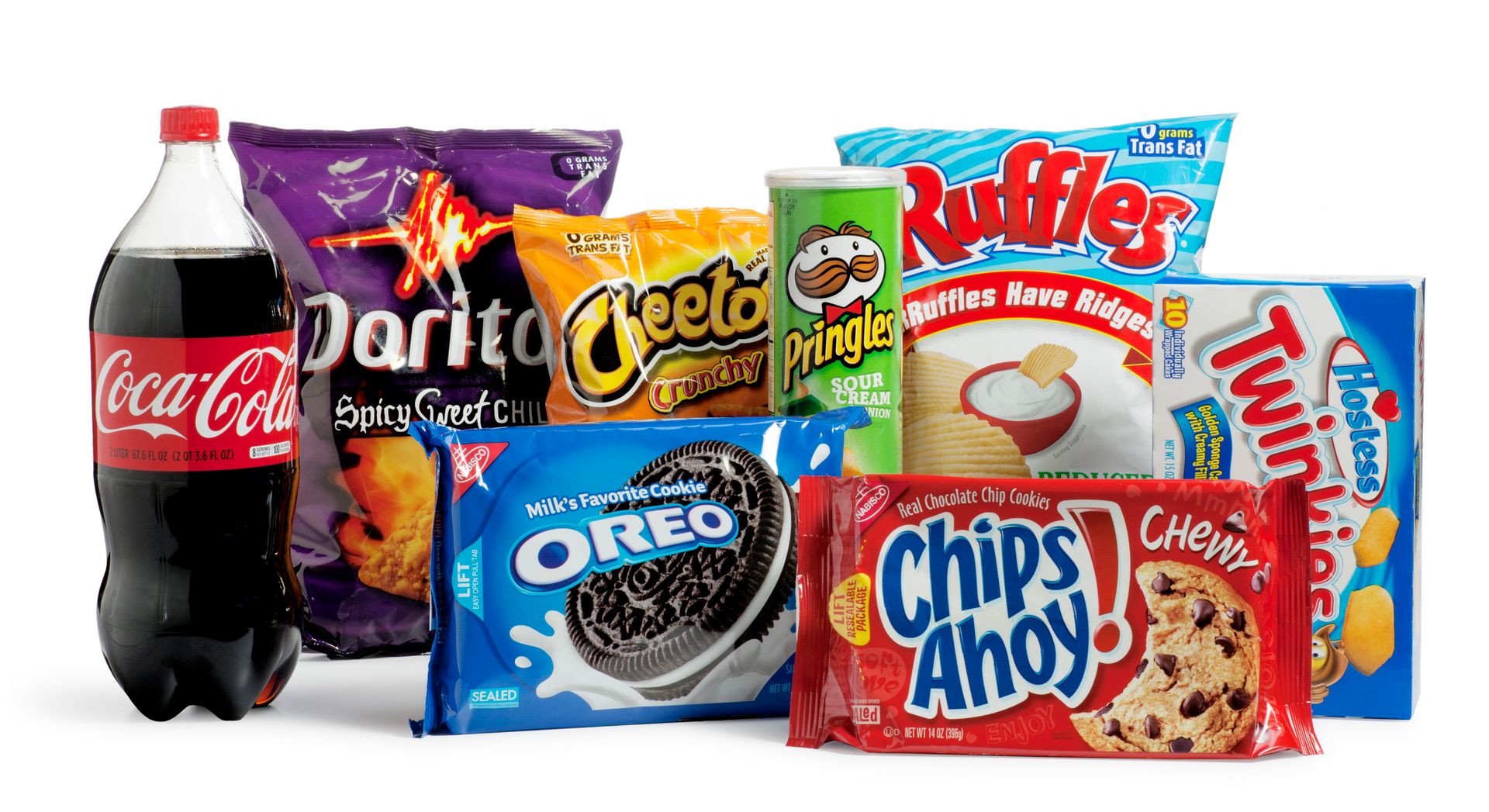
Nestle, Coca-Cola, Mondelez, Kellogg's, Kraft Heinz, and Mars will not be paying for your metformin and the health consequences of consuming their products.
The unfortunate reality is healthier options are often pricier, scarcer, less convenient, and more time-consuming and do not taste as good. But this selling point of ultra-processed foods comes at a greater price and extensive hardship, and here is how:
Artificial food dyes were nearly banned, but they still remain on the market. Artificial food dyes contain AFCs, which research says seem to exacerbate ADHD symptoms but seem to affect children regardless. Children within classrooms suffer a small behavioural decrement with the effects of AFC. This includes Brilliant Blue, Sunset Yellow, Red 40, and more.
Added sugars can increase your risk of a wide range of health issues, including type 2 diabetes, certain cancers and diseases, tooth decay, and acne. Even high intakes of sweeteners have been linked to cardiovascular diseases and depression in adults.
High emulsifier intakes are associated with cardiovascular diseases and have harmful effects on the gut. This includes sodium carboxymethyl cellulose (CMC), polysorbate-80 (P80), or carrageenans.
But this only covers the surface level of health consequences that are caused by ultra-processed foods, and the deep complications arise when our local grocery stores sell around 60-70% of ultra-processed foods.
This situation represents an ethical issue at best and a public health crisis that is already causing visible health outcomes.
Harvesting Harm: The Diabetes Epidemic Unveiled
The number of people with diabetes has drastically risen and increased 4-5 times the amount within just a few decades. Numerically, if diabetes were a nation, it would surpass the USA in population numbers. Approximately 830 million people worldwide are living with diabetes, and almost 10% of the Canadian population. Diabetes became common after the industrialization of processed foods.
All hope is not lost because there is research suggesting that reverting to a traditional model of eating can drastically reduce the risk of diabetes. A study suggested that a change in diet can reduce the risk of type 2 diabetes by almost 60%.
But what can be done with the long-standing multinational corporations that actively lobby against nutrition labels and find cheaper ways to incorporate flavour through chemical processes? Families working to afford housing do not have time or money to be nutritionists and scavenger hunt grocery stores for unprocessed alternatives.
But at the cost of our future and health, we can only hope that marketplaces start to work toward a future of unrefined foods and value children's health over maximizing profits.
The Temporary Guide to Processed Junk
Until marketplaces become transparent about the foods they are selling, we can only hope. Here are a few junk alternatives that prove you can still enjoy your favourite foods without consuming cancerous chemicals in the process.
Taza Chocolate Makers

Uses unrefined and stone-ground cocoa
Direct trade and fair wages for farmers.
Clean ingredients with minimal processed chemicals
Classic and delicious flavour variety
Hardbite Handcrafted Style Chips

It is supplied by a homegrown company located in BC.
Minimal processed chemicals and no preservatives
No cholesterol and non-GMO
Located in many local grocery stores
Before you lose hope, remember that there are still brands that prioritize clean ingredients. But until marketplaces value health over profit, the diabetes epidemic will only deepen. Change begins not in the aisles of a grocery store, but in demanding accountability from those who fill them.