- Salaaz's Newsletter
- Posts
- The Cost of Neglecting Mental Health: A Systemic Failure
The Cost of Neglecting Mental Health: A Systemic Failure
Salaaz Newsletter: Week 63 (delay due to technical issues)

Salaaz Market
January 13, 2026
“Take care of your mental health the same way you take care of your physical health.” This is a phrase easily worded by Canada. But when it comes to the practicality, does this work? In a society that has mental health completely in shambles and in the depths of the priority of society. Mental health in education is seen as a complementary subset of health. The educational institutions place a priority on learning math, sciences, and English but not how to navigate life. Hence, we see an increase in thriving technological innovations and high literacy rates, but also a high rate of depression and suicide. A leading cause of death among young people across all countries and socio-economic contexts, according to the World Health Organization, is suicide. Depression and anxiety alone cost the global economy 1 trillion USD per year from health care and lost productivity. In Canada alone, one in 5 students report harming themselves on purpose, and one in 6 had serious thoughts about suicide in the past year.

Increase in depression and suicide in US adolescents
A simple glance at the Ontario curriculum outline might bring about a hint. Nowhere in the curriculum is any other hard factual subject matter prioritized. This fails to consider how kids may not even have the capability to be learning hard subject matter because they cannot cope with life pressures, stresses, and trauma. We have an education system that does not prioritize teaching emotions, behaviours, and mental health, and further, a health care system that reflects this. Health care is covered in Canada, but therapy is not covered. Instead, social media is being used by 95% of youth for countless hours with an AI algorithm that alters dopamine pathways. Both parents and children would rarely take the expense, suggesting therapy only works if they can afford such a treatment. A survey with over 600 Canadian employees showed that a vast majority would access mental health services if cost wasn't a barrier.
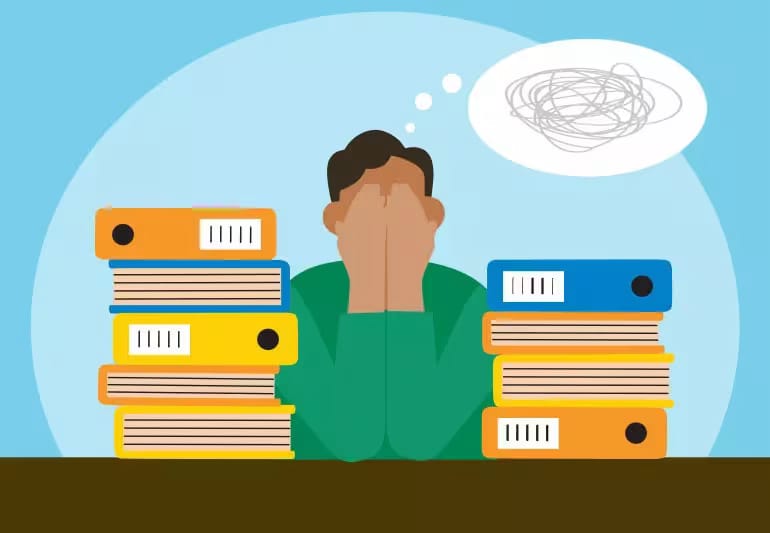
Students are taught to be career-driven, while many of them have a drive for a greater purpose. The educational institution is designed to cater to the economy, but where does ethics lie in this? It ends up being void, and you end up with corruption from corporations on a massive scale.
A Better Solution and Valuable Change
If you are struggling, it is suggested to go to therapy, which is helpful. But, this solution is given only after someone is broken, and not before. Coping mechanisms should be taught before maladaptive coping mechanisms form. The needs of human society are what educational institutions should aim to teach, which include an individual being morally, intellectually, and spiritually accomplished.
Within our current day, where there are very limited resources available to learn about well-being, some affordable and accessible therapy options are hidden gems. Here is one great online option.
Mind Beacon

Affordable and accessible registered personal therapist
Ongoing and unlimited messaging (6-8 weeks and beyond)
Catered to cope with stress, chronic pain, illness, and more.
But a long-term solution is a world that prioritizes well-being and ethics and places emphasis on the right values with transparency and dignity.