- Salaaz's Newsletter
- Posts
- Spending With Purpose: Why Your Choice Matters
Spending With Purpose: Why Your Choice Matters
Salaaz Newsletter: Week 48

Salaaz Market
September 30, 2025
The Impact of an Ethical Shopper
In a world of extreme monopolization and capitalism, it’s easy to lose hope when it comes to the power of the individual. It may feel like your efforts are drowned out and lost in the sea of unethical purchases, inconveniencing nobody but yourself. As an ethical consumer, even if your own single purchase of an ethical brand is not going to be the turning point of collapse, never feel like your efforts are lost and are meaningless. Because it has been demonstrated on numerous occasions throughout history how boycotts and ethical movements hold power.
It can be one act of resistance that adds to and leads to a movement. Rosa Parks, civil rights activist, not giving up her seat led to the Supreme Court ruling segregation of buses unconstitutional.
The boycott of Nestle has been ongoing and persistent, particularly for the issue of advertising infant formula as a necessity in developing countries. This boycott led to greater regulations on the advertising allowed in these countries.
In the 1990s there were many reports of Nike supporting sweatshop conditions with a supply chain in places in Pakistan and Cambodia having child labour. This led to massive backlash and a boycott. As a result, the company had to spend a lot of time cleaning up its act and setting a precedent for corporate responsibility.
The notable recent economic boycott of Israel-supported products aims to put pressure on Israel to comply with international law and to persuade private companies to end their participation in supporting the genocide of Palestine. Some big chains such as McDonald's, Starbucks, and Coca-Cola have reaped the impacts of the BDS movements, especially in Middle Eastern countries.

However, these impacts on billion-dollar chains are profound only due to the power of ethical shoppers and like-minded consumerism habits. With such impacts reported in history, it is feasible to say that ethical values hold power globally.
Don't Lose Hope for a Better Future
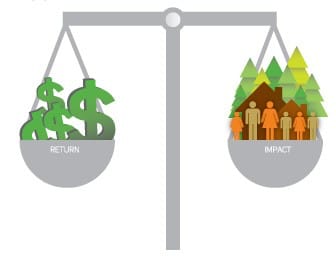
A popular Wall Street Journal article argues that profits will always triumph because doing what's best for society means sacrificing profits. Executives are hired only to maximize profits and act in the shareholders' interests. This reality holds true right now. But it doesn't have to be true forever.
One of the reasons cited for the end of the feudalism era was the Black Death, where there were fewer workers and lords were forced to pay higher wages. It is shown that history shifts when the effects of neglect start hitting. Whether it be climate change, AI, public health, or a human rights crisis. With an outcry of people demanding transparency, social responsibility can compete against profit, and your efforts as a consumer won't be lost.
A consumer survey reported that despite the cost-of-living pressures being high, consumers are willing to pay almost 10% more on average for sustainably produced or sourced goods. Additionally, 85% reported experiencing the effects of climate change, and concerns about pesticides and ultra-processed foods are increasing, according to 60% of respondents.
Shopping ethically is not a created ideology but the result of direct negative consequences that are affecting people globally.
It seems almost impossible to truly choose an ethical brand for everything, but even the conscious effort to choose a no name brand over Nestlé is a step closer to choosing the better option. As an ethical consumer, your efforts are not in vain. Ethical shopping is not about perfection, but persistence. Every decision to support fairness, sustainability, and human dignity helps tip the balance.