- Salaaz's Newsletter
- Posts
- Safety vs. Hype: Choosing Baby Products Wisely
Safety vs. Hype: Choosing Baby Products Wisely
Salaaz Newsletter: Week 62

Salaaz Market
January 06, 2026
The modern baby industry is a multi-billion dollar one. Parents naturally want to protect their babies, but not every product marketed as “safe” actually is. Some are designed for protection but may be doing the opposite.
Digitizing Your Baby's Life: Privacy or Protection?
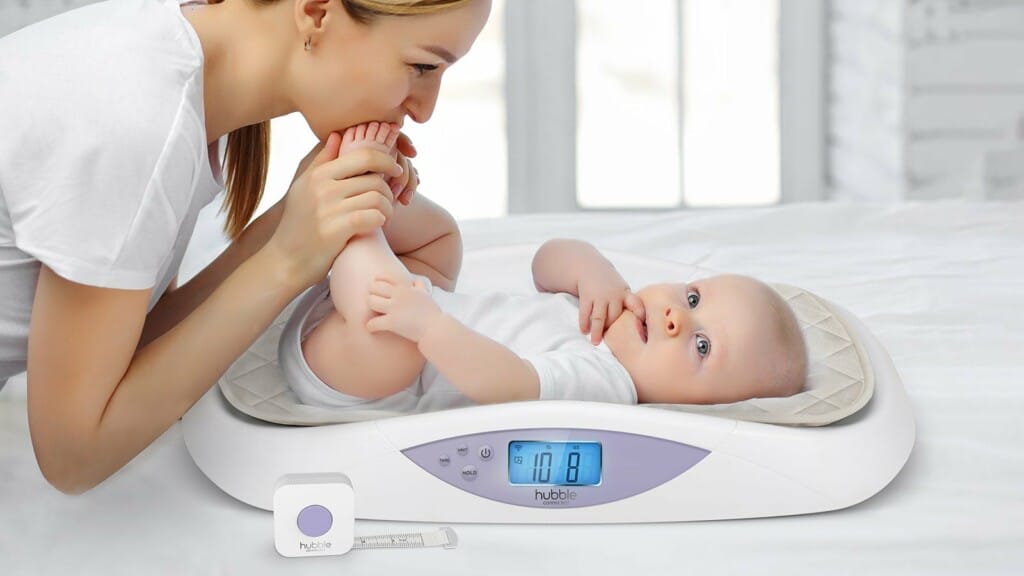
Many tech gadgets make it easier for parents to monitor babies that are not in their vicinity, but what if more than just you are monitoring the baby? Unfortunately, big tech and data collection firms might be watching your baby through these devices. The privacy is potentially compromised, and is it worth the gadget? Anxious people make great consumers. Hence why the baby devices sell really well. And the tech is used to make more tech that is based on data stored from your anxious Google searches.
Baby Products That Could Harm More Than Help
“If you don’t buy this, your baby may be unsafe” is fear-based marketing that works until it’s wrong. Some products that are marketed for safety have great risks to avoid. Here are a few of them.
Baby bath seats: These seats can easily fall over in the bathtub, creating a severe safety hazard if not watched over. For a safer option, try a non-slip baby bathtub.
Self-feeding baby products: These are concerning because they prevent your baby from pulling away, leaving a choking hazard.
Baby hug Pillows: Should be avoided until baby is over a year old
Novelty sleeping bags: Pose a serious risk of overheating and suffocation
Although some products are marketed for safety, comfort, or convenience, they could pose a greater hazard towards babies and the environment.
Eco Diapering 101: Balancing Baby Needs and the Environment
Diapers are made from plastic, the unfortunate enemy of the planet. One diaper can take 500 years to decompose unless it is incinerated, releasing toxic gases either way. What solution is there to this when diapers are essential? Let’s explore feasible alternatives.
Biodegradable Bamboo Diapers: Rich and Eco
Many options are available for biodegradable diapers; however, the downside is pricing. Biodegradable diapers end up costing double the price of standard disposable diapers. Disposable diapers will cost around 400-500 dollars per year, and biodegradable ones will cost around 900-1000 dollars per year. Nonetheless, this is still an excellent option for those who want to avoid the plastic without the hassle. Here are some excellent biodegradable options: Naty
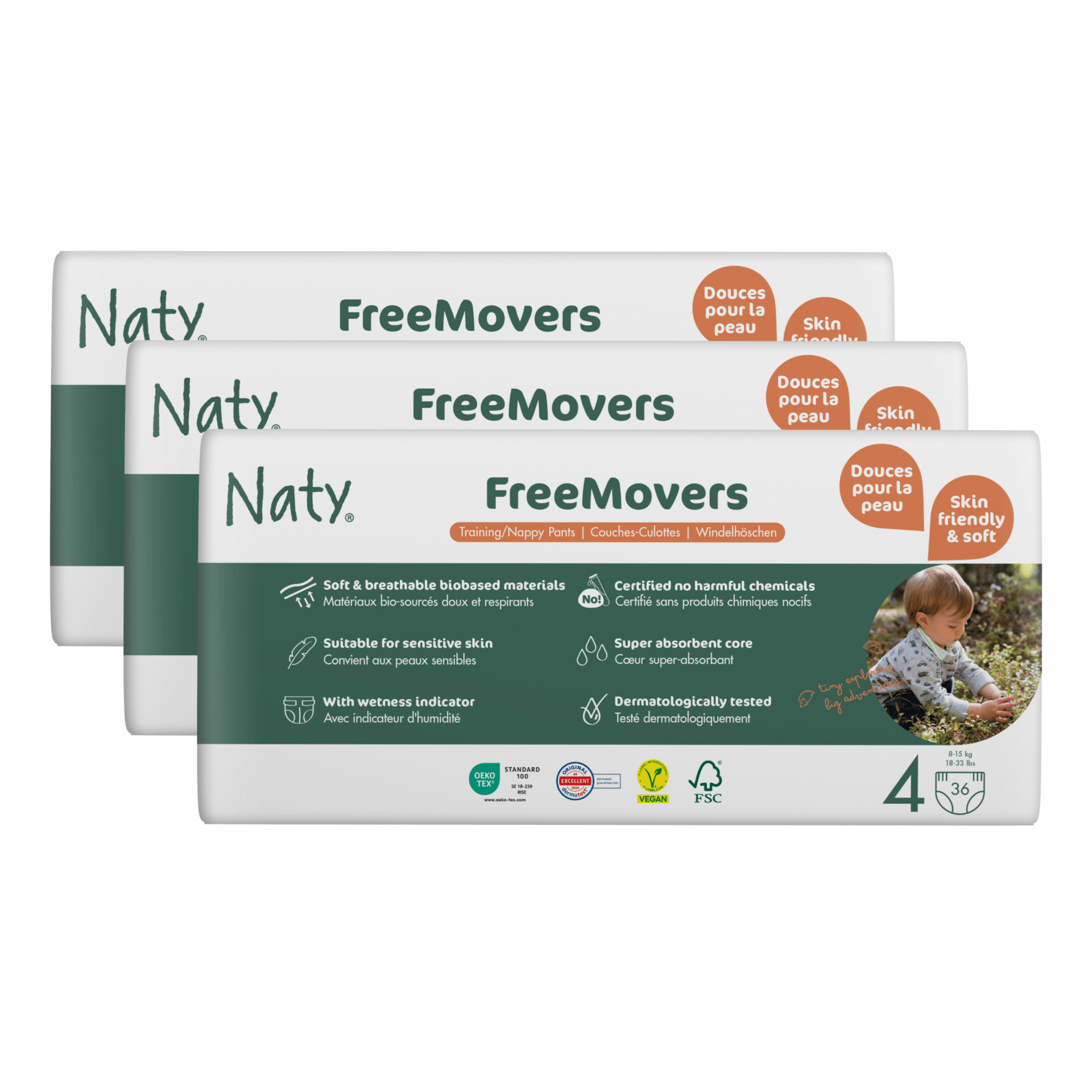
Certified 100% plant-based materials on skin
Chlorine-free
Certified for skin safety
Breathable super softness
Cloth Diapers
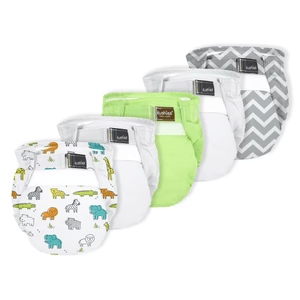
Cloth diapers are a good alternative for those that have time to wash them. Misconceptions around hygiene are unwarranted, and with time and effort they are just as hygienic as disposable counterparts. Here are some excellent 100% cotton cloth options: Kushies: $10/diaper
Hybrid Diapers: Cloth diapers with biodegradable liners
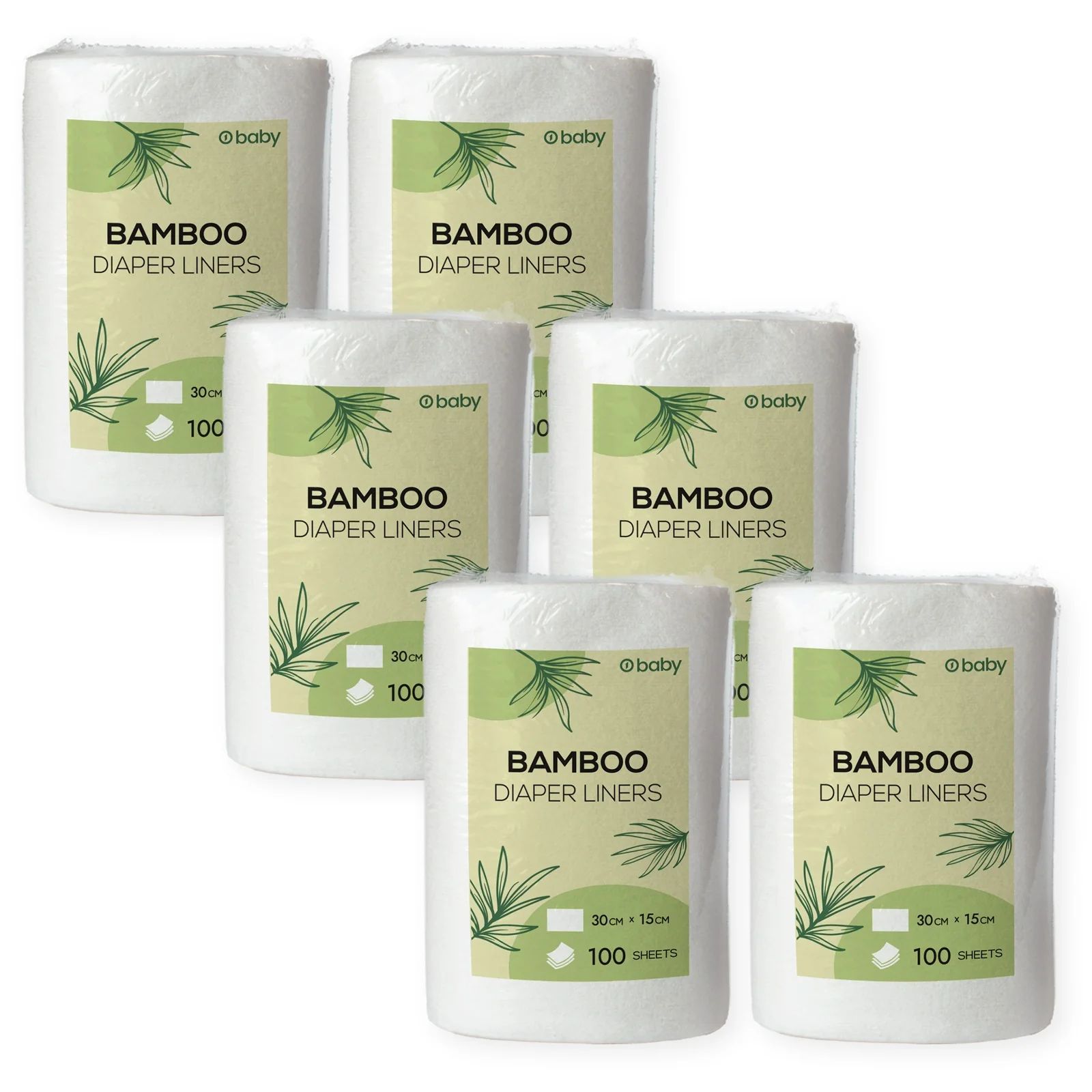
This option is affordable and roughly the same price or less than disposable diapers. With a biodegradable liner, cleanup is significantly easier, and cloth diapers remain stain-free and hygienic. An additional piece of mind is given to the fact that less plastic is polluting the environment and less plastic is on your baby overall. Here are some great options: O1 Brand Biodegradable Bamboo Diaper Liners (15 cents/liner)
Unless there is a new material discovered that ends up being cheaper than plastic and can make everything just the same with convenience, it’s hard to avoid the world effects from plastic. However, exploring alternative eco options is a good starting point. True protection means making informed choices for both your baby and their future world.