- Salaaz's Newsletter
- Posts
- Profit Over Peace: How the Weapons Industry Thrives on Conflict
Profit Over Peace: How the Weapons Industry Thrives on Conflict
Salaaz Newsletter: Week 45

Salaaz Market
September 09, 2025
A weapon itself isn’t inherently “unethical.” What makes it so is how, to whom, and for what purposes it’s sold. Yet in today’s global arms industry, a deficit of ethics fuels a surge in human suffering.
The United States dominates this market, accounting for 43% of global arms exports in recent years and raking in $238 billion in weapons sales in 2023 alone. Behind those numbers lies an uncomfortable truth: in this business, bombing civilians makes money.
Conflict of Interest: When Destruction Fuels Profit
The weapons industry thrives on instability. Developing countriesare hit the hardest, while high-income countries like the U.S. profit from fueling wars abroad.
Lockheed Martin, America’s largest defence company, fortunes are deeply tied to ongoing global conflicts and defence spending. Nearly all of its revenue comes from military contracts, tens of billions each year, with shareholder value rising with geo-political tension. Conflicts in Ukraine, the Middle East, and elsewhere have translated into record profits.
But those profits come at a human cost. US-supplied weapons including bombs have been found to target and kill innocent civillians in Yemen. The US secretary of defense also admitted that they help plan targeting. One airstrike used a Lockheed Martin–made laser-guided bomb to kill 40 children on a school bus.
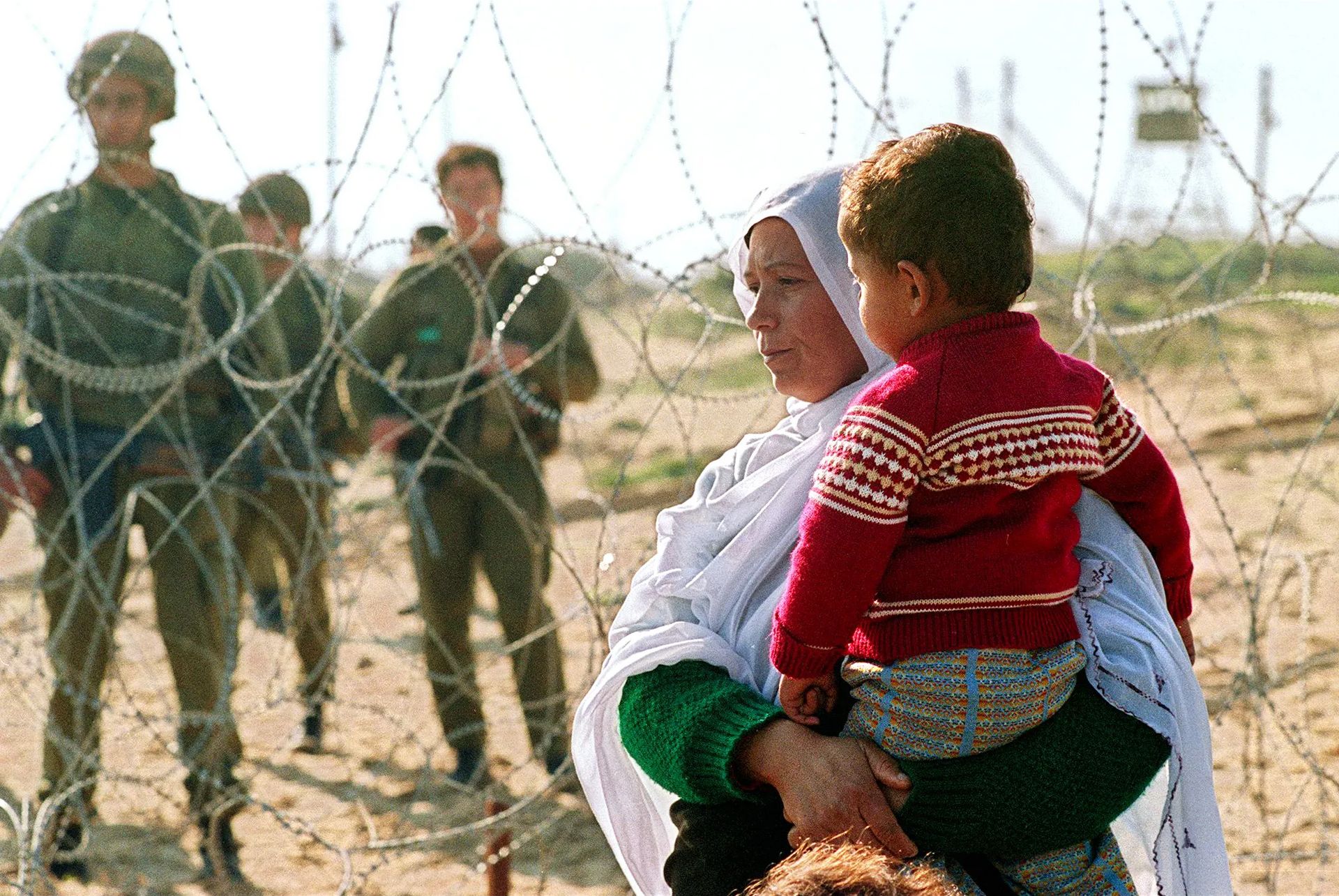
And Lockheed isn’t alone. Raytheon, the second-largest U.S. weapons company, openly acknowledges that military escalation drives its business. Its missiles and bombs are used by Israel in repeated strikes on densely populated areas of Palestine. The Israeli Navy also uses Raytheon’s systems to enforce its blockade of Gaza, choking off humanitarian materials for nearly two million residents.
Lockheed spent over 14 million lobbying much of which focused on defence appropriations and foreign military sales.
Unfortunately major corporations that supply weapons struggle to balance ethical values in their sale practices.
Why it’s Nearly Impossible to Be “Ethical: with a Killing Machine
Aligning with ethical values time and time again has always come at a conflict of interest with maximizing profits. It is hard to be ethical as a weapons company because the product you sell is inherently designed to kill, and profit comes directly through the practice of destruction. The businesses with high profits are ones that are willing to sell their products to the most people they can, even if that means creating and fueling war-torn countries. The weapons industry thrives on conflict because war is its business model.

Every bomb dropped, every city destroyed, every civilian life lost translates into rising profits for shareholders.
However, in an ideal setting, these are what standards should be implemented in the weapons industry to increase its ethical standing.
In an ideal world, arms manufacturers would adopt strict safeguards, such as:
Refusing to sell to governments that bomb or repress civilians.
Producing protective gear for soldiers and civilians.
Designing non-lethal defense systems
Building robots and drones that detect and neutralize landmines.
These standards exist mostly in theory. Few companies could stay profitable while limiting themselves to them.
The Grey Zone: Hunting & Self Defence Weapons
Not all weapons are inherently unethical. Hunting rifles made by small independent gunsmiths can be ethically sourced. Likewise, firearms for self-defence can serve a protective role when regulated responsible. Here is an arms company that follows those standards.
Alpine Riflecraft
Crafts ultralight mountain hunting rifles fully designed and manufactured in Canada.
Built on values of conservation, with profits and time supporting wildlife science and habitat protection.

Manufactured rifle by Alpine Riflecraft
But when it comes to the industrial-scale arms trade, the story is much darker. It is hard to gauge the full-scale impact of the weapons industry and its effects on conflict-torn countries. The most we can do right now, as civilians, is support fairer defence systems and hope to shed greater light on ethical weapon suppliers that will prioritize protection over destruction.