- Salaaz's Newsletter
- Posts
- More Than a Drink: The Coffee Crisis and How We Can Fix It
More Than a Drink: The Coffee Crisis and How We Can Fix It
Salaaz Newsletter: Week 39

Salaaz Market
July 22, 2025
The bottom of the supply chain is a deep place, but it is oftentimes overlooked by the average consumer. Spending your time digging in the background of a delicious iced macchiato or Spanish latte from your favourite coffee place might just ruin your coffee experience or take up too much time. Hence, people stay ignorant of what they are consuming. But a coffee cup is more than its taste and cute Instagram story, and without understanding this crisis, we might lose our coffee in the future.
What is the coffee crisis? Unsustainable and Unethical Coffee Practices
Many people who are grindingly poor in impoverished countries will accept any form of work that allows them to survive, even if it is just a few dollars a day. Coffee may cost a lot as a consumer, but what is important is how much is actually compensated to the farmers versus the multinational corporations. The unfortunate reality is pressures from large international firms and big demands leave an array of exploitative consequences towards coffee farmers.
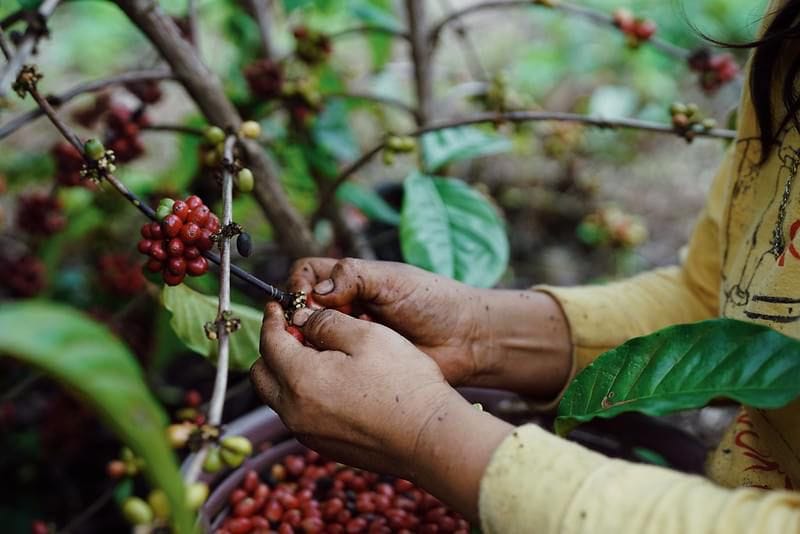
Producers only receive around 1% of the retail coffee price per cup, leading farmers to work long, laborious hours for unimaginably low wages. For example, Guatemalan workers must harvest hundreds of pounds of coffee for only $3 a day.
Because of the growing demand, there is increased use of harmful pesticides. For example, in Brazil more than a third of 475 new pesticides that were approved since 2019 are not approved in the EU due to their toxicity.
Extensive deforestation is occurring as a result of increased production pressures. Every cup of coffee consumed is equivalent to almost one square inch of destroyed rainforest.
Highly unsustainable soil degradation may lead to the demise of the industry. Experts predict that land suitable for coffee production may be reduced by 50% by 2050, leading to a potential shortage of coffee and your 9am sanity.
Slavery wages, deforestation, and harmful pesticides are not inevitable and are preventable with the support of ethical corporations that allow for farmers the means and the motivation to work in a fair environment that isn't exploitative to those in poverty.
The Power of Direct Trade
Direct trade is the transparent exchange of goods between the buyer and producer and the most ethical way to ensure living wages and ethical practices towards farmers as of now. Direct trade coffee is bought straight from the producer rather than from a third party, ensuring that money goes directly into the pockets of the labourers.
Here is a list of coffee brands that do direct trade.
These high-quality and sustainable brands hold a direct trade relationship with their farmers and can be purchased conveniently online. However, there is another important factor to consider beyond the drink.
The Disposable Cup Dilemma
A coffee from your local cafe includes more than just the drink but also the cups. Plastics are still being used widespread and are part of the root problem of consistent non-biodegradable waste, pollution, wildlife endangerment, and micro-plastics.

Even if you don’t fall into the particular subtype of VSCO girls, there is still room to take a safer route that doesn’t require keeping metal straws in your purse.
Introducing Disposable Bamboo Material: A Movement you can Stand by
We encourage the use of bamboo material for disposable to-go cups and glass for in-person experiences, and we believe you should do the same.
Bamboo grows 30x faster than traditional trees used for wooden disposables.
Bamboo is strong, compostable, and regenerates naturally without pesticides.
Glass is 100% recyclable, non-toxic, and made from sand, which is an abundant natural material.
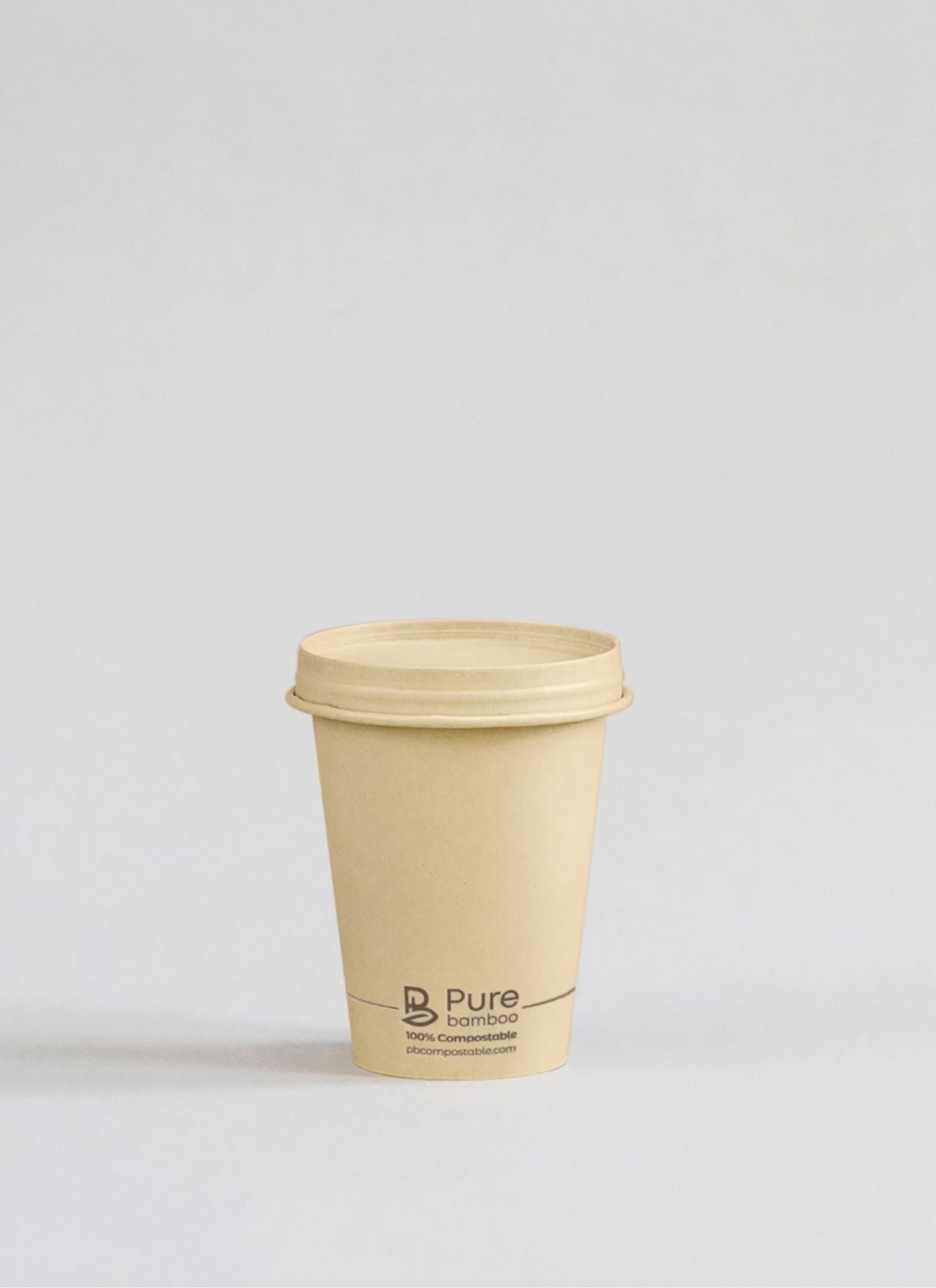
100% pure bamboo disposable cup from the brand Soyle
Let's raise our mugs while we can and switch to supporting ethical coffee habits so coffee producers around the world do not have to suffer as a result of the greed of multinational corporations and our planet can sustain the global coffee addiction in peace.