- Salaaz's Newsletter
- Posts
- From Field to Fork: The Hidden Costs of Rice
From Field to Fork: The Hidden Costs of Rice
Salaaz Newsletter: Week 73

Salaaz Market
March 24, 2026
This is what it looks like to be the person behind the tray of biryani. Shamsad Bibi, a Pakistani woman from Muridke, starts at 6am to support her family and 8am to the rice fields, leaving her with headaches and muscle pain. The heat and lack of precautionary measures leave her with health problems, only to end the night off with a mere fraction of what we pay for rice, below a decent basic standard of living.

The life of Shamsad
This is not a one-off case. Women play a large role in the rice sector. In some countries, such as Indonesia, women are the majority for rice labour. However, 80% of Pakistani women workers who cultivate rice suffer from food insecurity.
Workers get roughly 4% of what is paid by consumers for hard work in the rice fields. Not only does rice take a lot of effort to produce at our current scale, but it also has effects on its communities.
India, Vietnam, and Pakistan suffer from depletion of water resources and drought-vulnerable conditions due to rice cultivation.
This is because rice takes roughly 1000 gallons of water to produce per kilogram. One small bag of rice consumes the drinking water humans need for years.
This is concerning towards the environment in many ways, contributing to roughly 10% of agricultural methane and 43% of global irrigation water, leading to habitat loss and chemical exposures to the environment.
What is the solution to this? Let's support sustainable rice production, raising minimum wages, protection for producer rights, and responsible private sector investments.
Help the World, Help your Health
Ethical rice considerations are helpful towards the environment and workers, but they are also important for your health. Here are some considerations.
Rice and wheat today have an extremely low fibre content with only carbohydrate-to-fibre ratios of 65:1 to 400:1.
Rice has rapid glucose absorption and massive insulin spikes and crashes.
This has led white rice to cause type 2 diabetes, obesity, PCOS, hormonal disruption, fertility challenges, and gut challenges.
Alternative Wheats to White Rice
Instead of eating white rice, brown rice contains more than double the amount of fibre, with far more nutrients and the same level of calories.
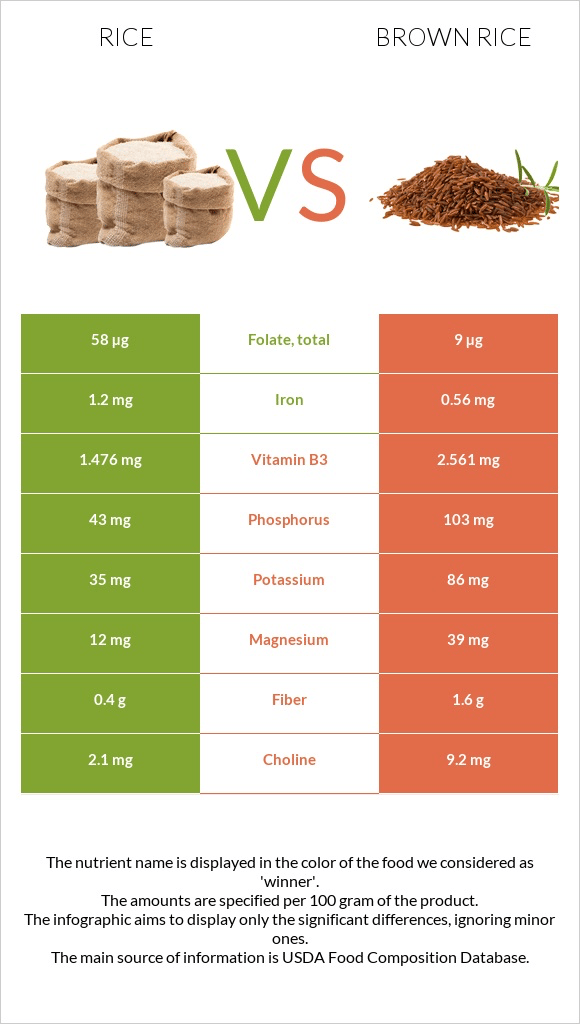
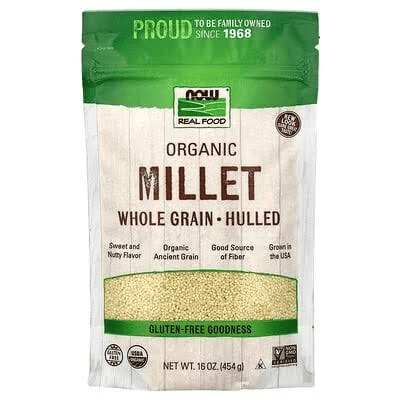
However, an extremely nutrient-dense wheat that is often overlooked is Millet. If you are interested in trying a new form of wheat that isn’t your typical rice but has a similar function and texture, Millet is a great option. Millet has higher natural fibre, slow glucose release, and supports gut health. Here is an example of Millet to look for.
Organic Certified Now foods Millet
Whole grain
Gluten-free
Nutrition dense
One thing to take note of is that rice production takes a heavy toll on the environment and its workers. Sustainability can help with that, and by exploring healthier alternatives like brown rice or millet, it can be a game changer for the impacts happening around the world. It is important to recognize the food we eat has a story; it isn't just a plate of rice, but it has a history of how it got there, and that history directly affects our well-being, something we need to take care of. By choosing sustainable practices, supporting fair wages, and exploring healthier alternatives like brown rice or millet, we can protect workers, preserve the environment, and improve our own health.