- Salaaz's Newsletter
- Posts
- Fake News, Misleading Marketing, and the Ethics of Information
Fake News, Misleading Marketing, and the Ethics of Information
Salaaz Newsletter: Week 71 [New timing: 11:00am]

Salaaz Market
March 10, 2026
Everyone has heard of fake news on WhatsApp, where misinformation spreads quickly through family groups, especially among immigrant communities. For example, false messages about the World Health Organization or health advice have circulated widely and have been shared many times before being fact-checked.

Example of fake WhatsApp news
However, fake news does not exist only on messaging apps. Even official and well-known news organizations have been involved in spreading misinformation. For instance, on Fox News, former host Bill O'Reilly once interviewed a man presented as a Swedish national security expert to support claims about immigrant crime in Sweden. People later discovered that the guest’s identity and credentials were false, and he was actually a jailed criminal with fake claims on immigrant crime.
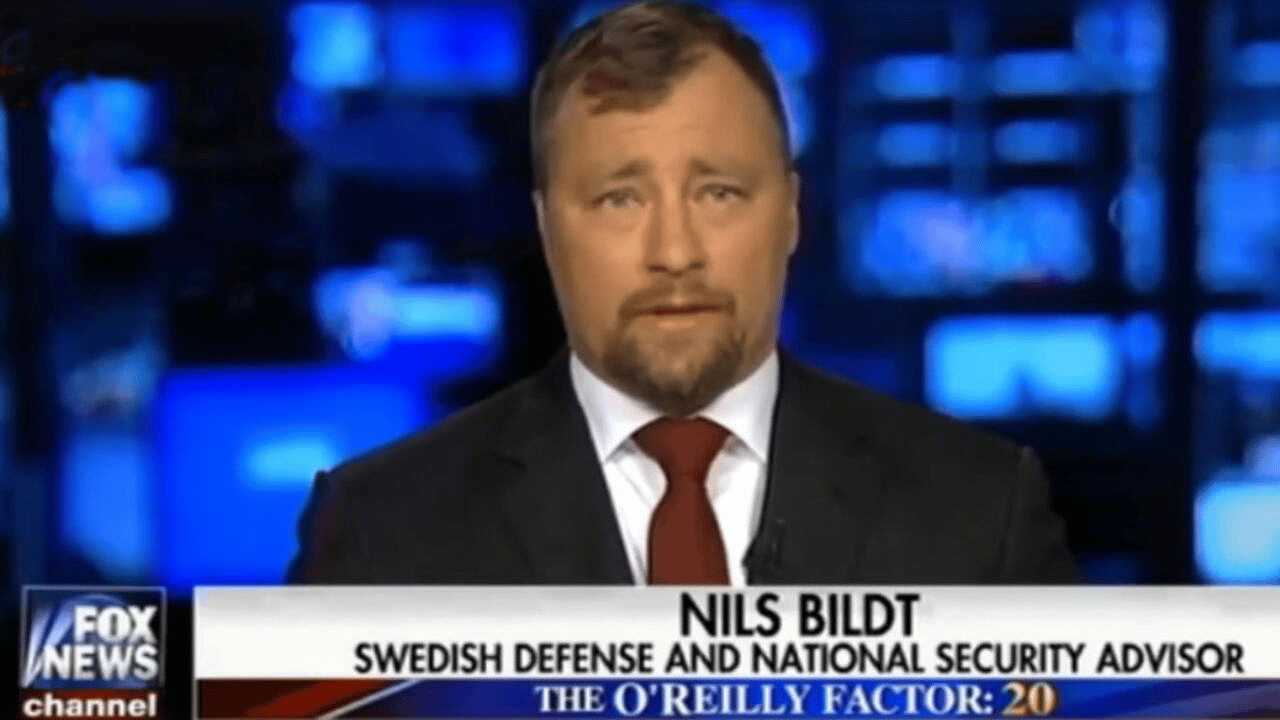
Criminal who pretended to be a “national security advisor” describing the “immigration crisis” in Sweden
Another unusual example involved a Russian television crew in Rinkeby, a Stockholm suburb. According to reports, journalists from Russia allegedly tried to pay local residents around 400 Swedish krona to stage a riot so they could film dramatic footage about immigrant unrest. Instead of a riot occurring, a reporter from the Danish Broadcasting Corporation happened to witness the attempt and reported on the crew’s efforts to stage the event.
Trump even made a comment about what is “happening” in Sweden even though it was all staged, like they really want some fake immigrant crisis to be happening when it isn't.
Canada also has many cases of local “outcry” and distortion of information, such as the common conflation of “antisemitism” and "Zionism," two terms with profoundly different meanings that often get misplaced.
Misinformation can polarize people, distort reality, and affect policy decisions. Fake news also serves as a distraction or a tool for people to help maliciously push their narrative. Holding a critical eye on news outlets is extra crucial for media consumers.
As a consumer, it could also cause great harm. For example, one of the clearest and most serious examples of misleading information about a drug causing massive harm is OxyContin, where sales reps told doctors the risk of addiction was “less than 1%." Internal studies and documents later revealed the company knew the risk was much higher. As a result, millions of people in the U.S. became addicted to prescription opioids, with many overdose deaths.

Sometimes the goal is to sell a narrative, and sometimes it is to gain profits. Either way, it is something we ought to avoid, so here is a comprehensive check on how to avoid misinformation.
Cross-check sources/lateral reading: Ensure you hear something and it is verifiable through different places. Instead of deep-diving into one article, check multiple sources to compare coverage and verify credibility.
Use fact-checkers such as Snopes.com, FactCheck.org, and PolitiFact.com.
During "Emergencies," be mindful: oftentimes strong emotional evoking tactics are used to gain attention, but is it a true verifiable emergency? This is the question you should ask yourself.
Misinformation has the power to shape opinions, influence decisions, and even endanger lives. By approaching media and advertising with a critical eye, cross-checking sources, and relying on reputable fact-checking tools, we can protect ourselves from being misled. Ultimately, responsible media consumption is not just about staying informed; it’s about making ethical, informed choices that reflect both personal judgment and societal responsibility.