- Salaaz's Newsletter
- Posts
- Ethical Farming Against Canada’s Slavery Migrant Program
Ethical Farming Against Canada’s Slavery Migrant Program
Salaaz Newsletter: Week 36

Salaaz Market
July 01, 2025

The Truth Behind Local Farming in Canada
Past historical grievances in Canada, taught by history classes, almost give the impression that the country's government has now changed for the better. Children learn about how the last residential school in Canada, a systematic genocide on the part of our government, was closed in 1997 and how slavery was outlawed and abolished in 1834. This historical education almost gives the impression that Canada is still not continuously committing injustice.
What really needs to be brought to light is full transparency— one that addresses the ethical and moral plights that would otherwise haunt citizens, not just a show of salvaging Canada’s unmemorable history and reputation. Canada still reaps slavery-like conditions of the past that go unspoken within its Seasonal Agricultural Worker Program (SAWP).
Foreign migrant workers in Canada are brought from countries such as Mexico or the Caribbean, where they would otherwise have no means for sustenance as temporary workers to live and work on farms with conditions comparable to that of modern-day slavery. The lack of opportunity and knowledge they have within their own countries leads them towards overexploitation by Canadian employers.

Abuse within the SAWP includes:
Higher productivity and lower wages are often required with piecework that advantages employers.
Forceful disciplinary actions are taken to ensure the high rates of productivity and compliance.
Workers mobility is restricted, with employers refusing to let them leave the farms or have visitors.
On-site “employer-provided housing” is situated in remote areas with little to no wifi or telephone access.
Severe overcrowding is taking place, with reports of housing situated with 8 workers per room and 62 other workers within the same housing.
Constant hygiene issues such as rats and snakes are reported within housing and portable washroom conditions.
Workers are separated from their families back home.
Cases of racial segregation where Mexican and Jamaican workers are principally separated and treated differently
Little to no opportunities for PR are given.
Canada has been silent about the produce in Canada driven by workers who are subjected to these brutal conditions, and it is time to demand transparency through non-compliance. Here is how.
Supporting Ethical Farming and Initiatives for Change
Migrant Workers Alliance for Change
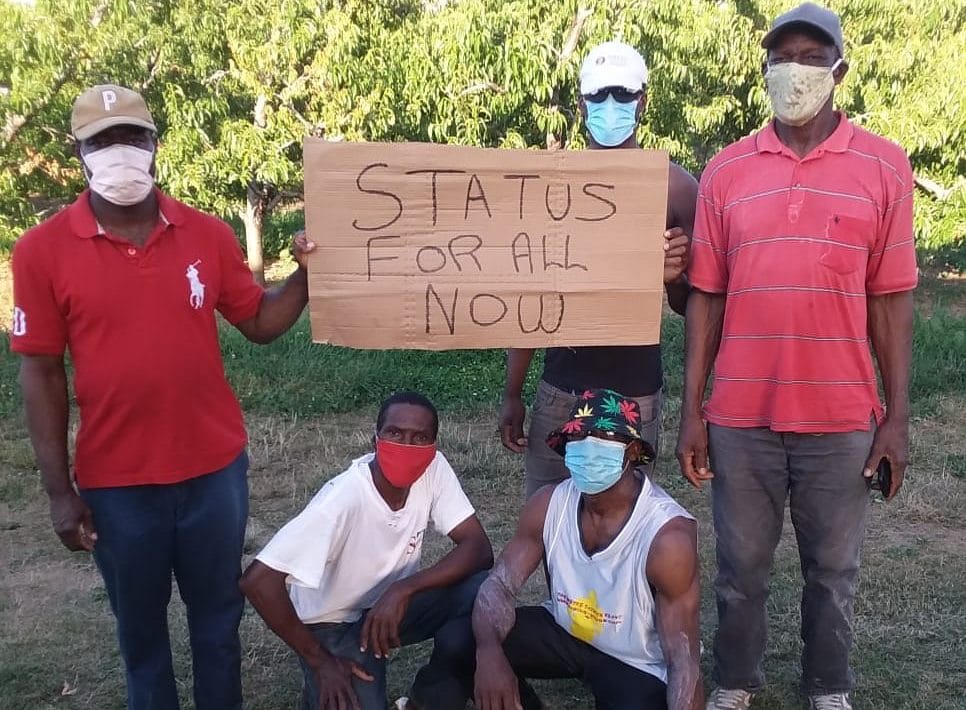
Organizations like MWAC are standing up for the rights of local migrant workers.
A collection of migrant workers have come together to start this initiative. By donating to and raising awareness for local organizations that support changes to the agricultural migrant program, you can help fight for the protection of migrant worker rights.
RoweFarms
To support ethical farming, it is important to look at facilities with fair wages and labour practices, such as RoweFarms.

A ethical and local option available throughout the GTA.
Certified label governance
strong local partnerships and fair farmer compensation
7 retail locations across southern Ontario
International Farming Concerns
In supporting ethical local farming, we can protect ourselves against further international farming violations in countries that go unnoticed. International agricultural work such as Mexico yields strong roots of child labour and inhumane farming conditions that yield towards demand in Canada and the US. Workers are often subjected to overcrowded camps with extremely poor and unhygienic living conditions for very little wages.

Children are forced to work to survive.
What we want as Canadians is full transparency and oversight and farmers that are given due diligence for their labour. Strawberries and mangoes is not an excuse for people to be working in inhumane farming conditions. By supporting ethical farms and demanding oversight, we can break the cycle of exploitation and build a future where every worker’s dignity is respected.