- Salaaz's Newsletter
- Posts
- Buy. Break. Repeat.
Buy. Break. Repeat.
Salaaz Newsletter: Week 74

Salaaz Market
April 07, 2026
Have you ever considered how nice it would be if society did not have to question whether price and quality match up? Would it be nice to know if brands are just famous for their name or for their quality without having to use the product over time? This is why transparency is important. There is no need to go buy new products all the time, such as new vacuums, new clothes, new appliances, new cars, new lightbulbs, and most commonly, new phones, if companies decided to create durability.
But unfortunately we psychologically fell into the business trap of loving overconsumption. Now even if you wish not to overconsume, there are no durable options that will last you a lifetime, because that wouldn't be profitable for business. This is called "planned obsolescence," and it is documented as a widespread and infiltrating marketing strategy that we cannot escape from, and here is why.
Said by a former GM engineer, lapses in quality control, expanding computer integration, and shifting priorities in terms of component materials are all in service of pushing drivers to replace vehicles sooner.
This can be seen in iPhones as well. Haven't you ever thought about the psychology of naming phones by adding an increased number to every model so every single person can know that you have the coolest and latest version of the model, and if you do not? Part replacement is so expensive for gadgets and cars it sometimes feels futile to save the money when you can get a new and pricier model.
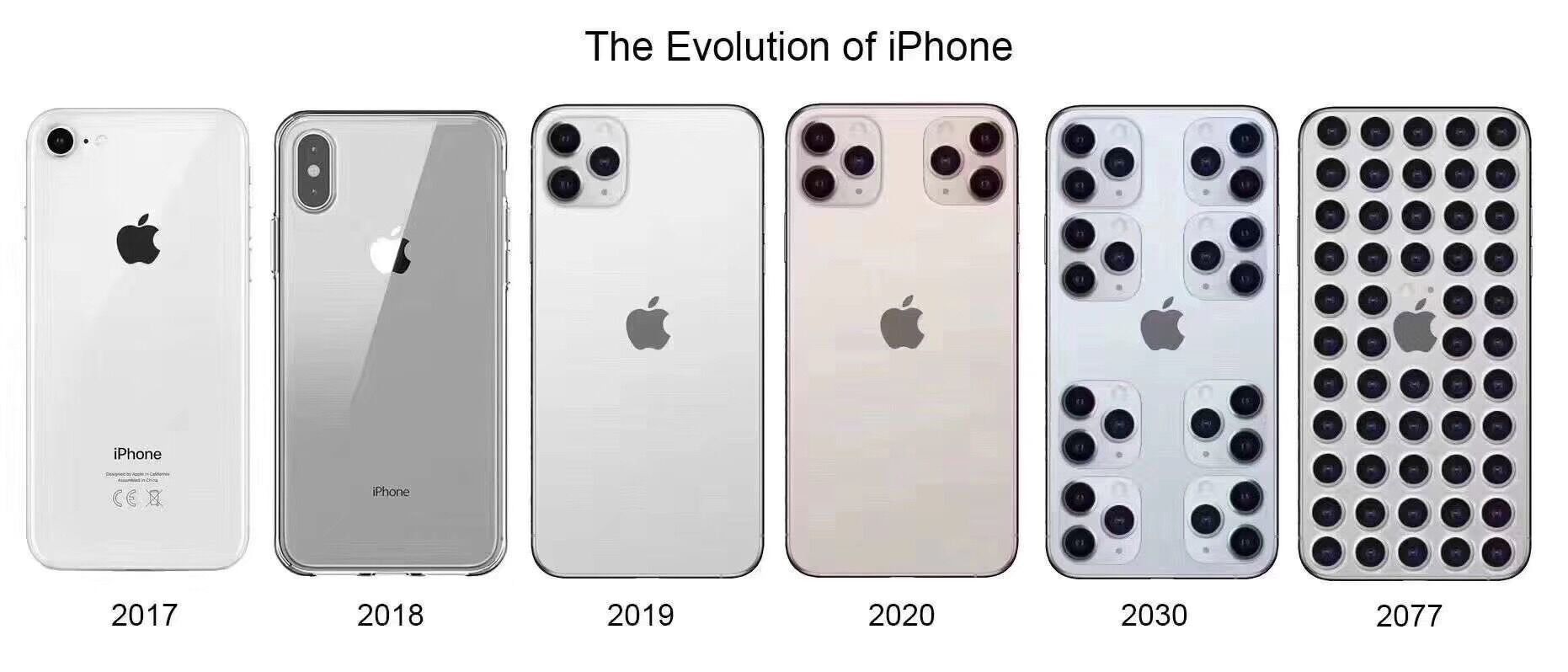
Here is a meme playing on the idea that the iPhone seems to only upgrade their cameras
Throw Away Culture: Cheaper Only at a Glance
It isn't only the case that cheaper things don't last as long, but it is also a problem that cheaper things make us want to buy more. Because we do not truly value the things being bought, what ends up happening is buying piles of barely used and disposable junk. And in some cases we end up buying more junk and wasting more money than if we were to just buy one valued piece.
This is not only a problem with the quality of our products but a worldwide issue that prevents healthcare facilities from generating sustainable equipment and thus widening the global health disparities within countries that cannot afford replacements.

What Can be Done?
Luckily some places are fighting back, and here is what is being done.
Quebec - Durable Goods Law
Provisions were passed by Quebec in 2023 that protect consumers against deliberate shortening of the lifespan of a product and promote durability and repairability of goods.
France - Anti-Waste Law
France has criminalized planned obsolescence and the deliberate shortening of life spans unless necessary.
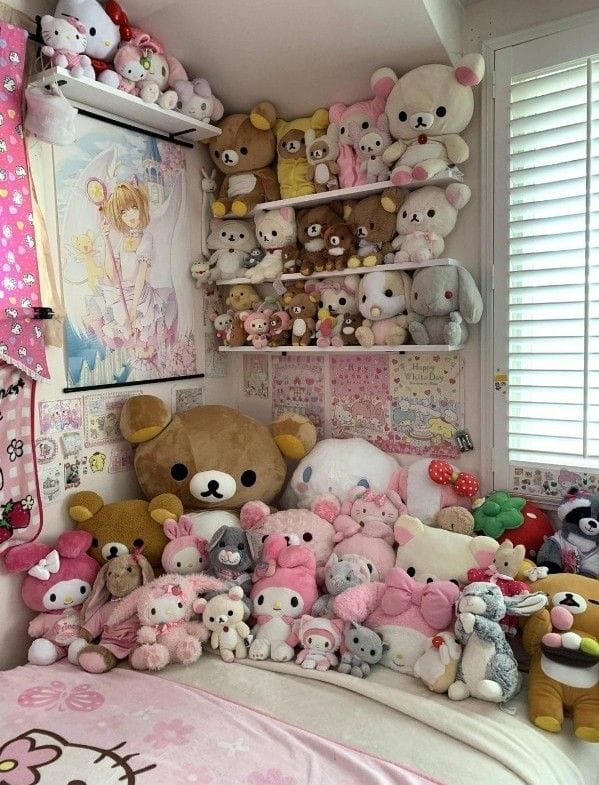
This is what “retail therapy” ends up looking like for some people, what does it look like for you?
These laws are a great first step, but the truth is people take a dopamine hit with buying new products, and unless people stop using retail as therapy and shopping habits can be controlled, it will be difficult to truly have companies cater towards longevity. As a consumer, you can help stop this cycle by buying less, choosing durable products, repairing instead of replacing, and resisting the urge to constantly upgrade.