- Salaaz's Newsletter
- Posts
- Built to Last: A Guide to Recognizing True Quality Furniture
Built to Last: A Guide to Recognizing True Quality Furniture
Salaaz Newsletter: Week 56

Salaaz Market
November 25, 2025
If anyone was around to see life before the TikTok era, then you may have remembered something prominent: high-quality furniture that lasted ages. Antique furniture always seems to have a touch of quality that is hard to find, and you might be wondering how?
The truth is furniture now is designed for planned obsolescence; in other words, it's designed to keep you coming, replacing, and buying more after a few years. Here is how to buy true high quality.
Hardwood types: Historically much of furniture was made with hardwoods like oak, mahogany, and walnut. Now much of the furniture is made with particle boards and engineered woods. These sorts of woods are quite fake and made by sawdust and shavings and synthetic resin or binders under a heat press.
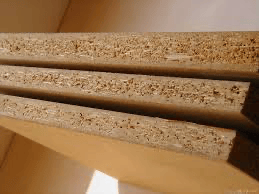
Here is a picture of typical “wood” used that is actually particle board.
Artisan crafting: Artisan crafted work tends to have high quality woodworking such as Mortise and Tenon joints that are designed to hold together without nails and screws as well as genuine glass or bronze fixtures rather than synthetic parts.
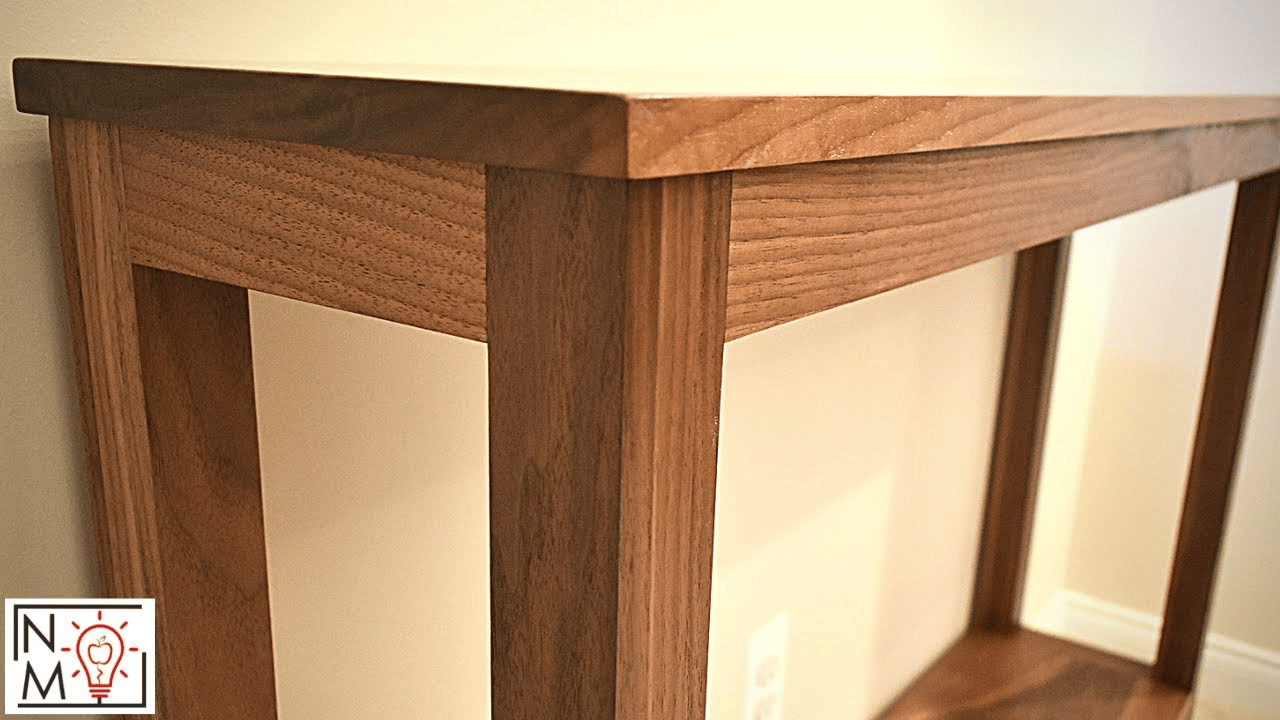
Here is high-quality, durable woodworking craft.
Sustainable practices: High demand in the lumber industry called for increasing use of quickly replenishable trees. However, ring growth is an important determinant of durability, and quick trees also have quicker life spans in the living room. Hence the difference in hardness.
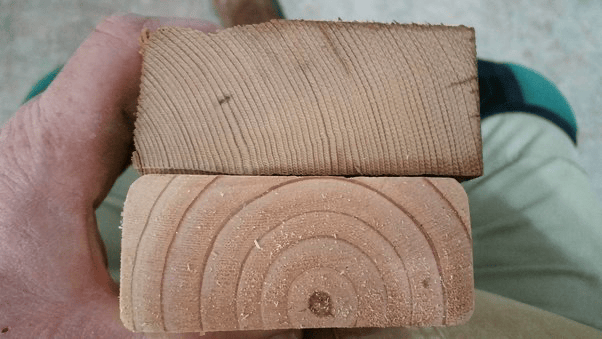
The top is an old tree, and the bottom is a new one.
The Unsustainable Price of Furniture Overconsumption
Historically furniture was considered a luxury and designed with high quality because of a mixture of these practices. Truthfully, overconsumerism is problematic for both your wallet and the environment. Here are some truths about quick and fast furniture.
The furniture industry stands as a force of deforestation, accounting for a significant portion of global wood usage, with some estimates indicating up to 30% of global wood production is used for furniture.
Pressed wood products such as particle boards contain toxic chemicals such as formaldehyde, volatile organic compounds, and flame retardants.
The “new furniture” smell is actually a release of these toxic chemical compounds through off-gassing.
The furniture industry produces as much carbon footprint as the aviation industry with extensive transportation.
Handcrafted the way Furniture Used to be
In order to maintain furniture for decades, prices for quality are a long-term investment. Amish furniture is a great option for high-quality, long-lasting furniture that can be cherished and prevent overconsumption. Here is a local shop for Amish furniture options.
Amish Furniture Designed
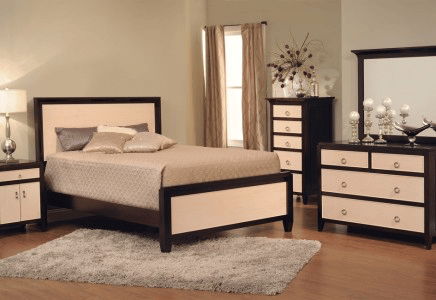
Franklin Park Suit Amish Furniture Design
Only hand-selected North American hardwood
High-quality artisan precise craftsmanship
Located in Whitby, Ontario
Unlimited warranty
Why buy several $200 pieces of plywood every couple years, when 1 high quality piece will last you a lifetime?
Ultimately, choosing well-made furniture isn’t just about aesthetics or nostalgia; it’s about slowing down the culture that pushes people to replace what they own. When we invest in pieces built with quality, we honour the craft, reduce waste, and bring items into our homes that genuinely last.