- Salaaz's Newsletter
- Posts
- Blood Diamonds: The Horror Behind the Ring
Blood Diamonds: The Horror Behind the Ring
Salaaz Newsletter: Week 35

Salaaz Market
June 24, 2025

The Not-So-Bright Jewel Industry
The brightest jewellery on the market is actually the darkest jewellery on the market. Not only does it violate levels of human rights, but it also charades a mask to hide the blood. Let the compelling stories and facts demonstrate why a lovely, shiny ring is not worth the blood.
Historically, the diamond industry in Africa has caused severe armed conflicts, resulting in the loss of 4 million lives. As a result, 50 different countries have united to prevent conflict diamonds through the Kimberley Process Certification Scheme. This is a process that set regulations around Diamond trade to prevent the previous tragedies. However, despite efforts being made, the ethical process of the diamond industry is still under fire.
This is because the official Kimberley Process only recognizes conflict diamonds to be meaning “rough diamonds used by rebel movements or their allies to finance conflict aimed at undermining legitimate governments.”
This principle does not cover the potential for human rights violations done by legitimate governments or those done by state actors, nor does it properly oversee the diamond industry.

Suffering still occurs in the industry despite the efforts for change.
Here are cases of questionable practices that still happen in the industry after the Kimberley Process certification.
Diamond mining has displaced 1200 families in Zimbabwe to make room for a Chinese mining company. Zimbabwe also suffers from forced labor and torture where locals report security force beating women and setting fire teared gas canisters.
Child labour and trafficking have also been documented in many countries where exploitation is easily feasible.
Some cases of land mining have been done on stolen, unconsented land. The industry has silenced the indigenous community when they protest against mining and demand their land rights.
Unethical human labour is still done for gold and diamond mining. For example, a Canadian subcontractor forced conscripts to work against their will at a mining site in Eritrea, Africa leading to a Supreme Court case.
You are probably wondering where the overwatch is for all these tragedies to be happening. The bad news is that the only internationally recognized process certification that supposedly accounts for conflict diamonds is too narrow in scope to capture the details needed to protect from the harm of the industry.
A Turn for the Worst: Feulling Genocide
Israel served as the chair of the Kimberly Process Scheme in 2010 and currently profits a billion annually off of the diamond industry, which helps fund its war crimes.
A more transparent ruling would entail all human rights violations, rather than masking customers with the false promise of properly sourced minerals. If you are buying or consuming these shiny minerals, chances are they were rooted in unethical practices and could have serious blood on them without your knowledge.

It is not just Africa where mining tragedies happen
What to do and Where to buy!
Luckily there are diamond retailers that take this into consideration and are worthy of the ring. With this retailer, you will not have to worry about if your diamond is sourced ethically since they provide full transparency and stringent standards.
CanadaMark Certified
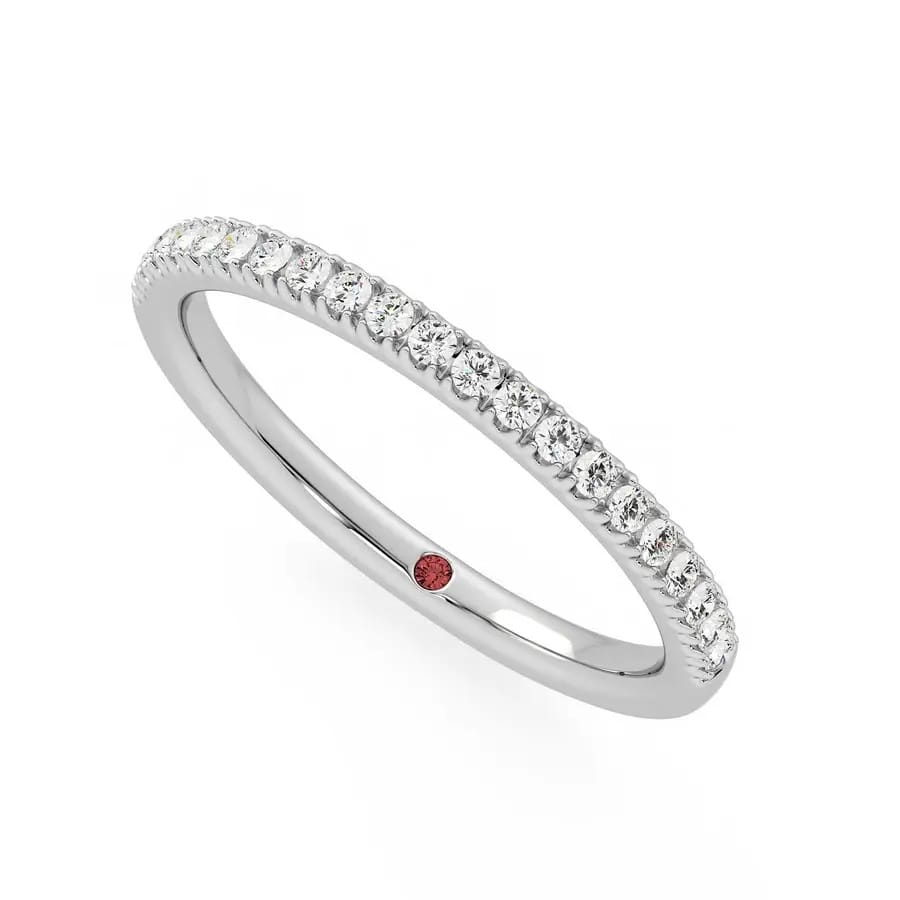
Taylor and Hart’s Camellia: Half eternity pavé set wedding ring with 1.3mm diamonds in platinum
Full Chain tracking: Diamonds are traced from mine to polished gem via audited processes
Local: Extracted from Ekati and Diavik mines located in Canadian Northwestern Territories
Quality: Only natural, untreated diamonds meeting minimum grade thresholds
Enviromental focus: Follows Canada’s strict regulations, with community engagement such as Indigenous hiring, wildlife monitoring, water recycling
Places that are Canada Mark Certified: Avalon Fine Jewelry, St Onge Jeweller, Taylor & Hart
The true cost of a sparkling gem is far more than its price tag. It is time to choose traceable, ethical alternatives like CanadaMark, because no ring is worth a life.