- Salaaz's Newsletter
- Posts
- Alcohol: The Most Dangerous Drug We Don’t Call One
Alcohol: The Most Dangerous Drug We Don’t Call One
Salaaz newsletter: Week 66

Salaaz Market
February 03, 2026
What is more insidious, tobacco, cocaine, meth, or alcohol? One might argue alcohol is because it manages to pass the party test with flying colours. It is considered the most harmful because of its association with a huge number of diseases, cancers, psychological disorders, and other medical conditions. By most public health measures, it is alcohol that does the most harm to our society, more than all the other illegal substances combined. It causes more deaths, more violence and crime, more social harm to families and lost productivity, and long-term health costs with a whopping total of a 19.4 billion dollar deficit in Canada. This exceeds the government revenue from alcohol, causing an annual 6 billion deficit every year.
But it isn't even about the money; it is about how to respond. Maybe labelling might help; health experts recommend adding a cancer label on the front to serve as a warning. However, the response from the government was major expansion, with Ford creating new rules to allow alcohol to be permitted at grocery stores during 2024.
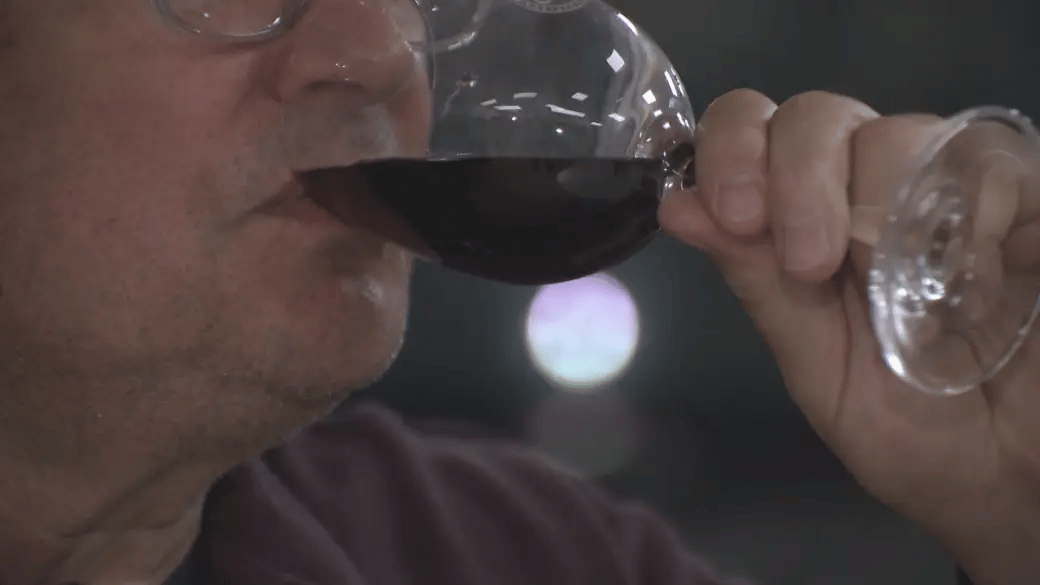
There is a widespread myth that the effects of alcohol are up to an individual to control and regulate. But the reality is, according to the World Health Organization, no amount is considered safe for consumption.
What does this say to the culture? Is alcohol normalization unethical? Yes, it is, but most have a hard time swallowing this pill. How could you taper off poisoning your body with alcohol?
Start by firstly living in sober reality and facing life challenges head-on. Learning how to cope with emotions on a cognitive level is far greater for your health and well-being than using alcohol to numb emotional pain.
Firmly stand against alcohol; sobriety isn't just a health move, it is a cultural move. Pressure to drink at parties is strong because of the defensive shame of others. To put it in plain terms, it would be the shame elicited by perceived moral contrast. But once recognizing the huge ethical implications, it will be easier to stand your ground.
Find better drink alternatives. Here are some that can make it easier to quit alcohol entirely.
Alternatives—non-alcoholic dupes
On a better note. Non-alcoholic rosé, tequila, and vodka all exist and come in a fancy glass bottle! But even better than that is the classical favourite must-try soda.
Pakola
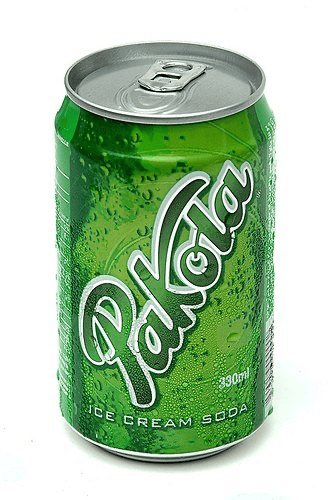
The perk of Pakola is a great experience without the hangover. But if you miss the classical taste of alcohol, without the alcohol, here is an excellent, ethically made brand.
Jukes Cordialities
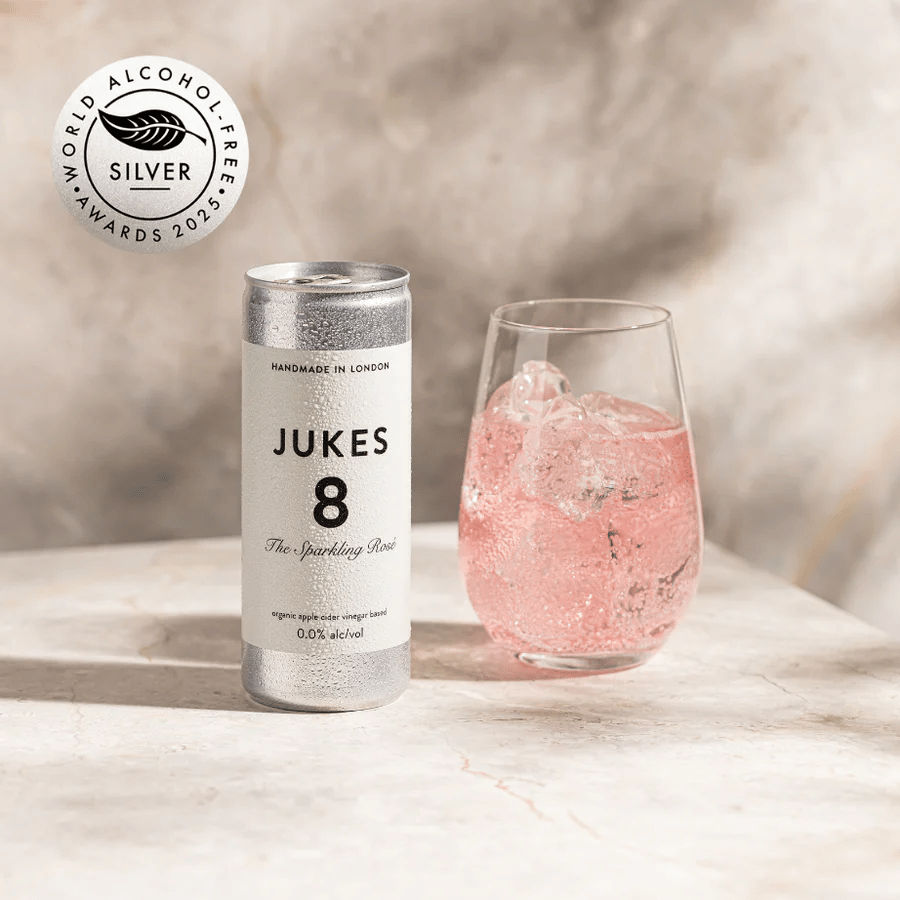
This brand offers alcohol-free wines and drinks such as rosé with clean natural ingredients, better for the planet and better for your liver.
Alcohol’s harm hides in plain sight wrapped in celebration, tradition, and convenience. But once we see it clearly, normalization becomes harder to justify. At one point drinking was considered “rebellious,” but now, real rebellion is the other way around. It’s choosing presence, agency, and a future that doesn’t require numbing to be tolerable. Standing against alcohol means standing against that which is causing broken families, criminal activity, addiction, and more harm than our country can handle.